Braves audition dual arms as rotation crunch hits 37 days before deadline
By Justin Erickson ·
López resurfaces and Waldrep makes his season debut in a low-run environment, but command and durability questions shadow Atlanta's internal replacement calculus.
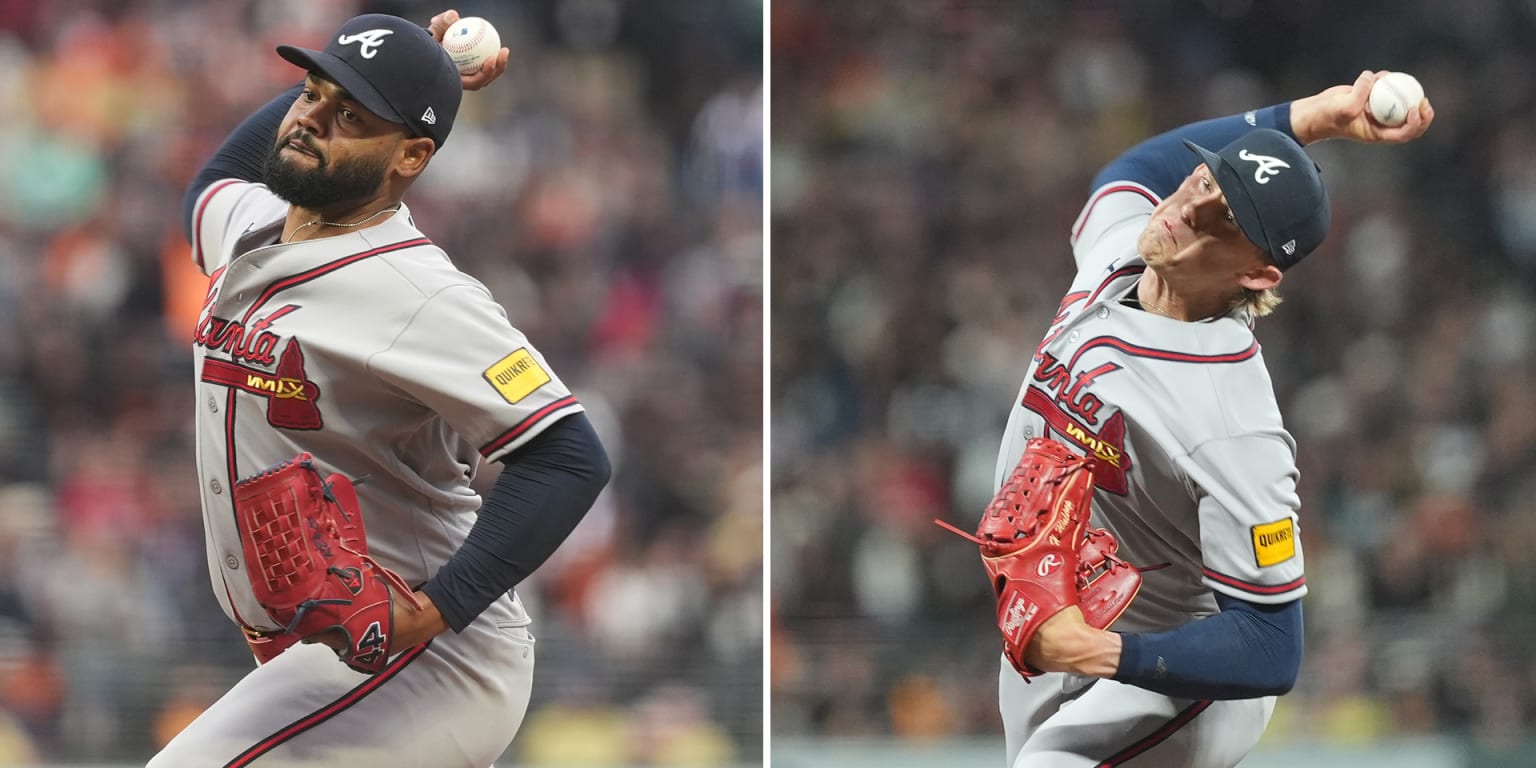
The Braves ended a four-game losing streak Friday night in San Francisco, 3-1, with Reynaldo López and Hurston Waldrep combining to silence the Giants' lineup. Both arms had stakes in the outing—López was auditioning his way back into the rotation after spending the past two months in relief, while Waldrep took his season debut for the first time since elbow surgery. The performance matters because Atlanta faces a clear rotation void: Spencer Strider is out at least another month with right elbow inflammation, and JR Ritchie was optioned to Triple-A earlier this week after a brief stint at the top level. With 37 days until the August 3 trade deadline, the Braves are weighing whether to build from inside or hunt for proven velocity at the deadline.
López's case is mechanically fragile. He pitched three innings, allowed four hits and three doubles (two came in the first inning), and relied on a Michael Harris II defensive play to escape a scoring opportunity in the second. His fastball velocity tells a story: 95.5 mph in 2024, 95.3 mph against Milwaukee on Sunday, but only 93.8 mph on Friday. That dip matters in a rotation where starter durability is already questioned. Martin Pérez has been steady—five-plus innings in 12 of 13 starts—but Grant Holmes has cratered against second-time hitters. López, coming off arthroscopic shoulder surgery in early 2025, is not yet a reliable five- or six-inning answer. Waldrep, the 24-year-old emerging prospect, offered flash but also warning signs. Four strikeouts and two hits over two innings looked clean on the surface, but three walks—one of which loaded the bases with one out in the fifth—exposed the control deficits that have shadowed his recovery from arthroscopic elbow surgery to remove loose bodies. He escaped the jam unscathed, but he inherited two baserunners in the seventh that Dylan Lee ultimately stranded.
This game was decided by a single run, a low-offense environment typical of Oracle Park in June, but the Braves' ability to extract only three runs against a Giants team they should dominate raises a secondary concern: their own lineup is not generating enough margin to absorb rotation volatility. Matt Olson's key double in the fifth and Ozzie Albies' two-RBI night were enough, but the Braves have won just four of their past 14 games. Rotation depth is the stated problem, but it masks a broader offensive inconsistency that limits the upside of any internal solution.
For betting purposes, López and Waldrep introduce uncertainty into Braves starter prop lines. López's fastball velocity decline and reliance on defensive luck suggest his ERA props will compress upward—markets may have still priced him as a 2024 All-Star, but his shoulder recovery is not yet complete. Expect his strikeout per nine innings to fall from his career 9.2 mark, particularly if velocity sits at 93-94 mph rather than 95-plus. Over his next three starts (if he gets them before the deadline), unders on his K props offer value because the velocity floor is lower and the command samples are too small to sustain All-Star-level output. Waldrep, conversely, is a fade on strikeout volume props in the near term. Command issues will continue to generate walks and elevated pitch counts; early-season two-inning appearances will not translate into sustained depth or leverage situations. If the Braves insert him into a pennant-race rotation role, whip and walk-rate props will overtick relative to the control risk visible in his first outing.