MLB
Lindor's Sixth-Inning Spark Exposes Mets' Lineup Vulnerability Against Lefty Starters
The Mets' 4-1 win over Washington masks a deeper pattern: they remain dangerously dependent on one or two bats to ignite comebacks, a betting liability that will resurface against quality southpaws.
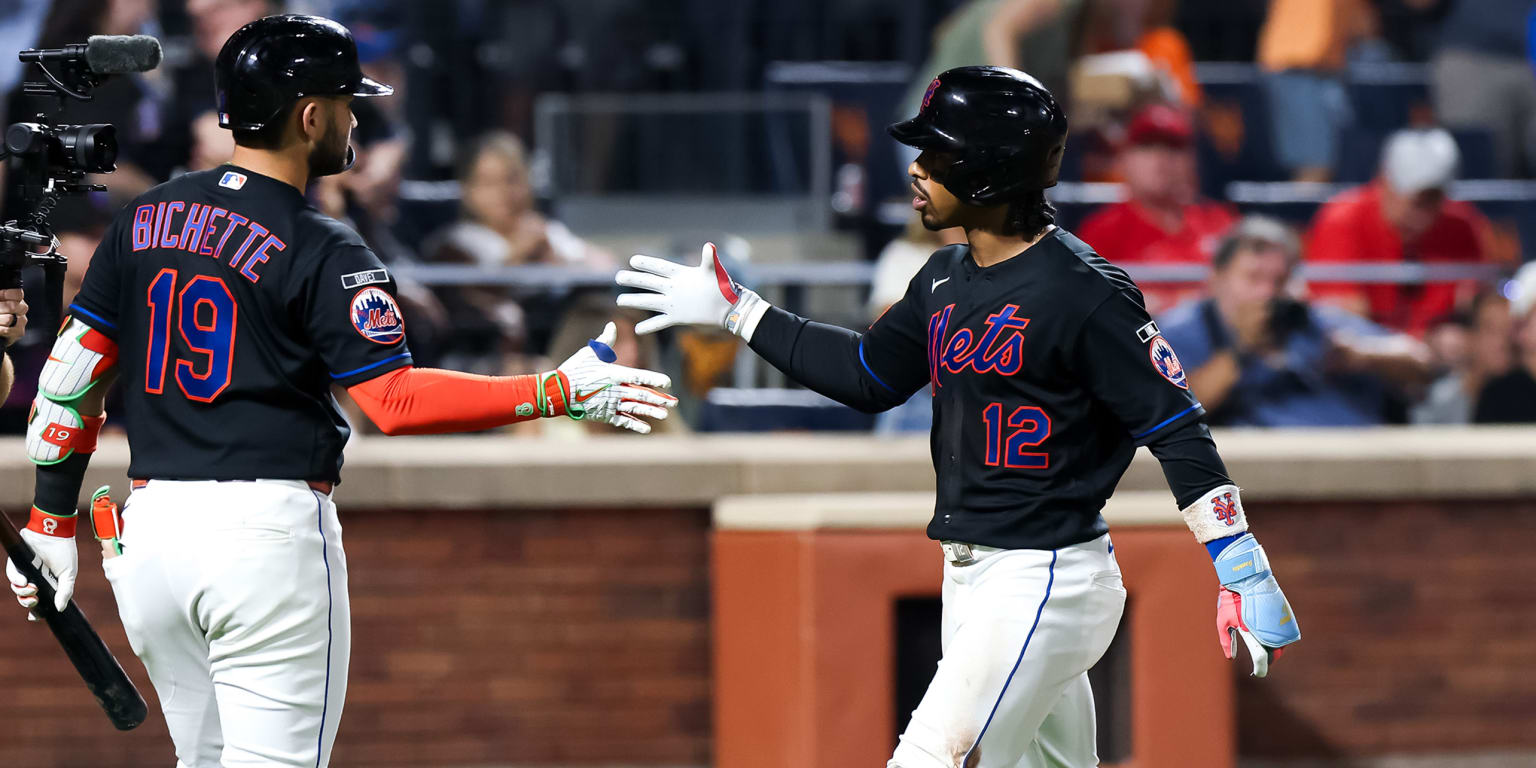
The Mets returned home from a 6-3 road trip Friday and dispatched the Nationals 4-1, but the narrative of the game belongs to Francisco Lindor, not to any systematic offensive explosion. Against Andrew Alvarez, a left-hander, New York managed one hit through five innings while the Nationals' starter retired 15 of his first 17 batters. This was not a lineup discovering form—it was a lineup waiting to be rescued.
That rescue came in the sixth when Lindor hammered a 2-1 pitch over the left-field wall to tie the game at 1-1. A wild pitch on the next batter extended the inning. Luis Robert Jr. singled. Carson Benge drove in a run. One inning later, Jared Young added a solo homer. The Mets' final 4-1 margin feels clean; the process was fragile. A team that generates offensive pressure through sustained at-bats and line-drive contact should churn out runs even against effective pitching. Instead, New York waited for a home run—Lindor's—to break through Alvarez's early dominance. That's not resilience; that's volatility wrapped in a win.
The pitching was genuinely sharp. Robert Stock surrendered only an unearned run across 4⅓ innings before Nate Lavender, Jonathan Pintaro, Daniel Duarte, and Kodai Senga combined to blank the Nationals the rest of the way. No walks, no extra-base hits. If the Mets' bullpen holds this form, team total unders become an attractive target against opponents who can pitch in the starter's zone for four to five innings. But bullpens are volatile. The real liability is the opposite side of the ball.
Against southpaws, the Mets' tendency to go dormant until one player delivers a power swing creates a specific betting tell. Lindor, their best hitter in these spots, is now the de facto linchpin—and one man cannot sustain an offense across 162 games, let alone through playoff baseball. When the market prices Mets team totals in games where a quality left-hander takes the mound, it likely underweights how dependent New York becomes on home-run production rather than baseline hits and walks. The 4-1 scoreline papered over that dependency on Friday. Against the next competent southpaw starter, it will surface again.
For betting purposes, the Mets' moneyline appeal when facing right-handed starters remains intact. Against lefties—especially those who can command the zone early—team total unders carry an edge if priced to assume a league-average or above-average offensive performance. The Nationals made it easy by being overmatched; Alvarez was mediocre. The next left-hander may not be.
MLB Intelligence — Baseball intelligence beyond the box score. Open MLB Intelligence →