Lindor Returns to Field Work as Mets Calk Rehab Accelerates; Alvarez's Early Progress Reshapes Timeline
By Justin Erickson ·
Francisco Lindor has begun baseball activities after a month sidelined by calf strain, while catcher Francisco Alvarez's unexpectedly rapid recovery from knee surgery is forcing the Mets to compress their injury timeline.
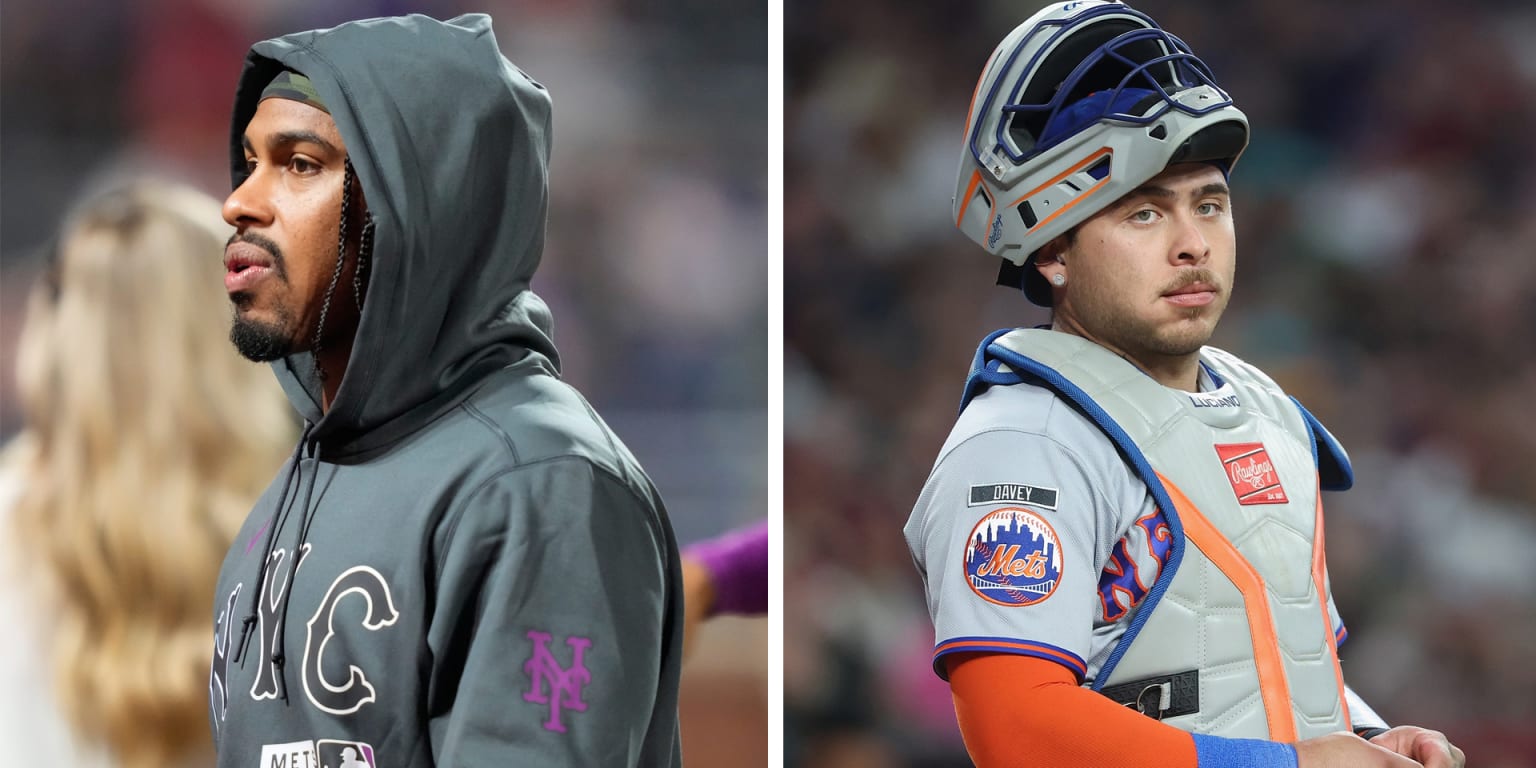
Francisco Lindor took the field for baseball drills Monday—fielding work, sprints, and batting-cage swings—marking his first structured baseball activity since suffering a left calf strain on April 22. The Mets shortstop has cleared the initial phase of rehab and moved into what manager Carlos Mendoza calls the baseball-activity stage, though Mendoza stopped short of projecting when Lindor might begin a minor-league assignment. The path forward remains incremental: "We will go day by day, week by week," Mendoza said. "It's hard to put a timetable on things. He still has to check a lot of boxes."
The injury occurred during the fourth inning of a 3–2 win over Minnesota when Lindor struggled rounding the bases after Alvarez's double. That same catcher—who was supposed to miss six to eight weeks after meniscus surgery on May 12—is already catching drills and hitting live pitches, a development that has Mendoza reconsidering the original timeline. "This guy is unbelievable," Mendoza said of Alvarez. "We were talking eight weeks. I'm not sure about that now." Alvarez's surgical window was only two weeks at that point, yet he reported feeling ready to return, forcing Mendoza to pump the brakes on his optimism.
For bettors, the prop surface on Mets team totals and individual player lines has been pricing in both absences at near-full discount. Lindor's return to baseball work—a concrete gate cleared in the medical protocol—doesn't guarantee he plays this week or even next week, but it does signal the rehab track is moving forward without setbacks. A pitcher with a calf strain who remains pain-free through sprinting and multi-directional fielding is moving closer to game availability. The risk of re-injury during the baseball-activity phase is lower than it was during the immobilization phase, which means the market's heavy discount on Lindor's offensive output may begin to tighten once the Mets announce a rehab assignment.
Alvarez's accelerated trajectory is a separate but related dynamic. A catcher who feels confident enough to tell his manager he's "ready to go" two weeks post-surgery—even accounting for overconfidence—is telegraphing a different pain profile than initial projections suggested. Meniscus tears are variable; some heal faster with aggressive rehab and younger tissue (Alvarez is 22). If Alvarez returns to catching within three to four weeks instead of six to eight, the Mets' offensive profile shifts materially. His power stroke (10 home runs in 34 games before injury) and ability to drive runs in leverage situations were priced out of team-total models. Early return would re-insert both.
The betting angle: Mets team totals have been discounted on the assumption of prolonged absences for two offensive anchors. Lindor's progression into field work and Alvarez's surgical momentum suggest that discount is now overdone. If either player is activated within the next two weeks—a scenario Mendoza's tone no longer rules out—the gap between current team-total pricing and midseason norms will widen fast. This is a medium-term edge, not a single-game spike; the mechanism is injury recovery protocol, which survives line adjustments because it's medical fact, not sentiment.