Daylen Lile's 10th-Inning Heroics Signal Nationals' Late-Game Resilience Worth Monitoring
By Justin Erickson ·
The 23-year-old's go-ahead homer in Cincinnati exposed Washington's ability to manufacture runs in high-leverage spots—a trait that reshapes how to price their comeback equity.
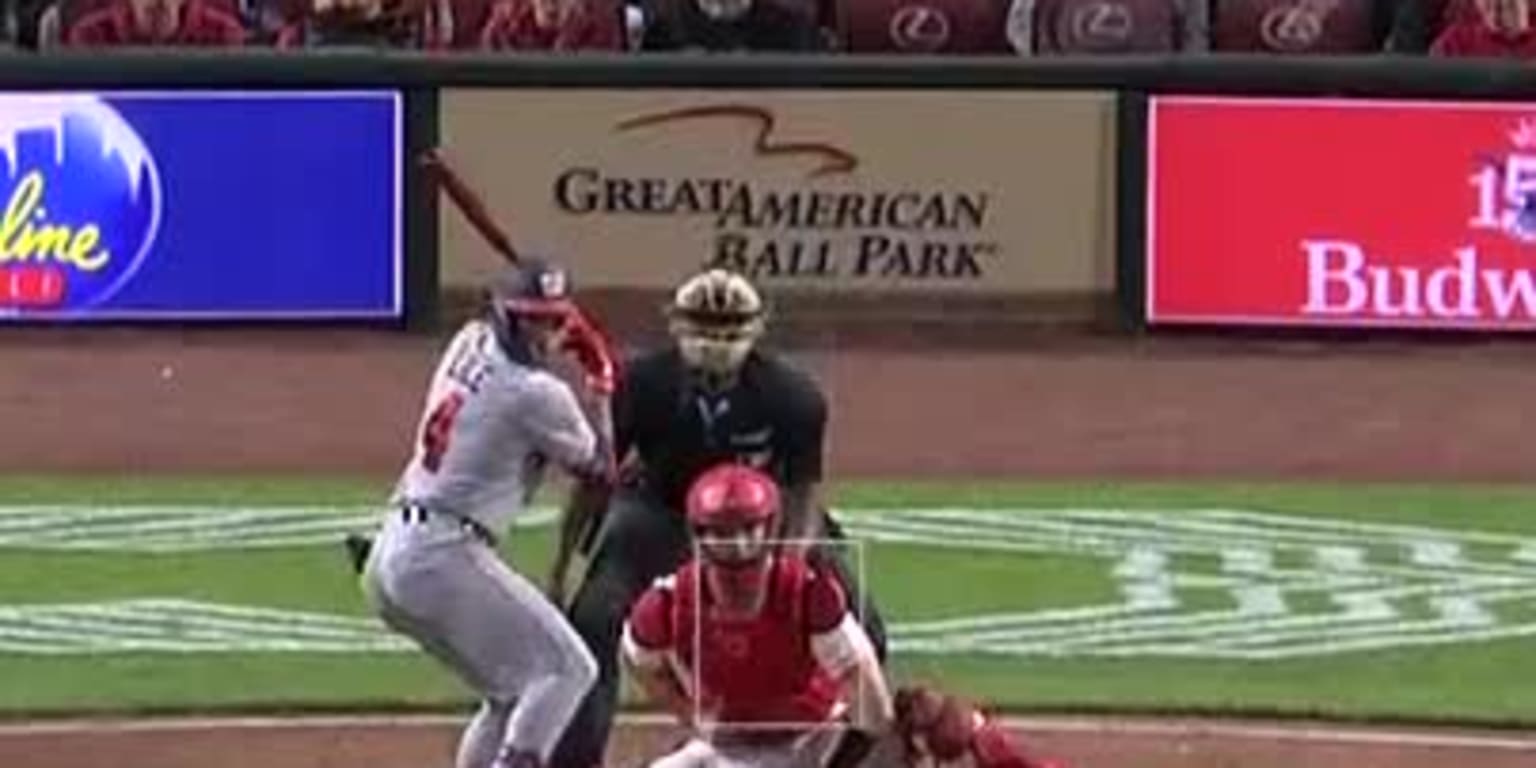
Daylen Lile's two-out 10th-inning home run off Tony Santillan gave Washington an 8-7 victory over Cincinnati on Wednesday, but the real story isn't the emotional homecoming—it's what the Nationals' ability to stage a 5-0 comeback and execute in extra innings tells you about their construction. Lile's slurve carried 105.8 mph with a Statcast projection of 409 feet. He entered the at-bat with automatic runner CJ Abrams on second, the highest-leverage situation available outside of a walk-off down one. He didn't miss.
What matters for betting purposes is the pattern, not the moment. Through two games in Cincinnati, Lile is 5-for-9 with three home runs and seven RBIs. In May, he's batting .308 with a 1.011 OPS. These aren't one-game anomalies—they're indicators of timing and pitch recognition that persist across sample sizes. The Nationals trailed 5-0 early and clawed back to force extras tied. Spencer Steer's would-be go-ahead homer was ruled a ground-rule double on fan interference; Washington didn't fold. Manager Blake Butera made a pointed observation in his postgame comments: the team has repeatedly battled back to the tying run only to come up short. Wednesday was the first time in this stretch they cleared that hurdle.
The mechanistic edge here centers on Washington's bottom-of-the-order flexibility and late-game hit generation. Curtis Mead played first, second, and third base in the win—a utility-heavy roster construction that grants managers more flexibility in high-leverage situations because they're not locked into positional stereotypes. Lile's insertion into the 10th wasn't a desperate move; it was a strategic choice. When rosters can move bodies without losing offensive firepower, comebacks become less dependent on star power and more on depth. The Nationals have that depth. Their moneyline pricing in games where they trail early may have already adjusted, but totals pricing—particularly team totals on the over side—hasn't fully absorbed the fact that this team manufactures runs in the bottom of innings when it matters most.
Over a longer frame, track whether Lile's May numbers (1.011 OPS) hold or regress toward his season average. If they hold through mid-June, his presence becomes a legitimate factor in run-creation models. The 10th-inning execution matters less than the May consistency. One go-ahead homer in extra innings is theater. A .308 average with power in the month that precedes the June collapse (or breakthrough) is signal. For now, the Nationals' team totals over in remaining games against Cincinnati should attract cautious interest, not blind confidence—but the infrastructure for comebacks is there if the pitching staff can keep games close.