Twins Turn Fenway Bullpen Vulnerability Into Comeback Blueprint
By Justin Erickson ·
Byron Buxton and Austin Martin's late-inning homers expose a critical Red Sox relief pattern—and suggest where Minnesota will hunt in the next matchup.
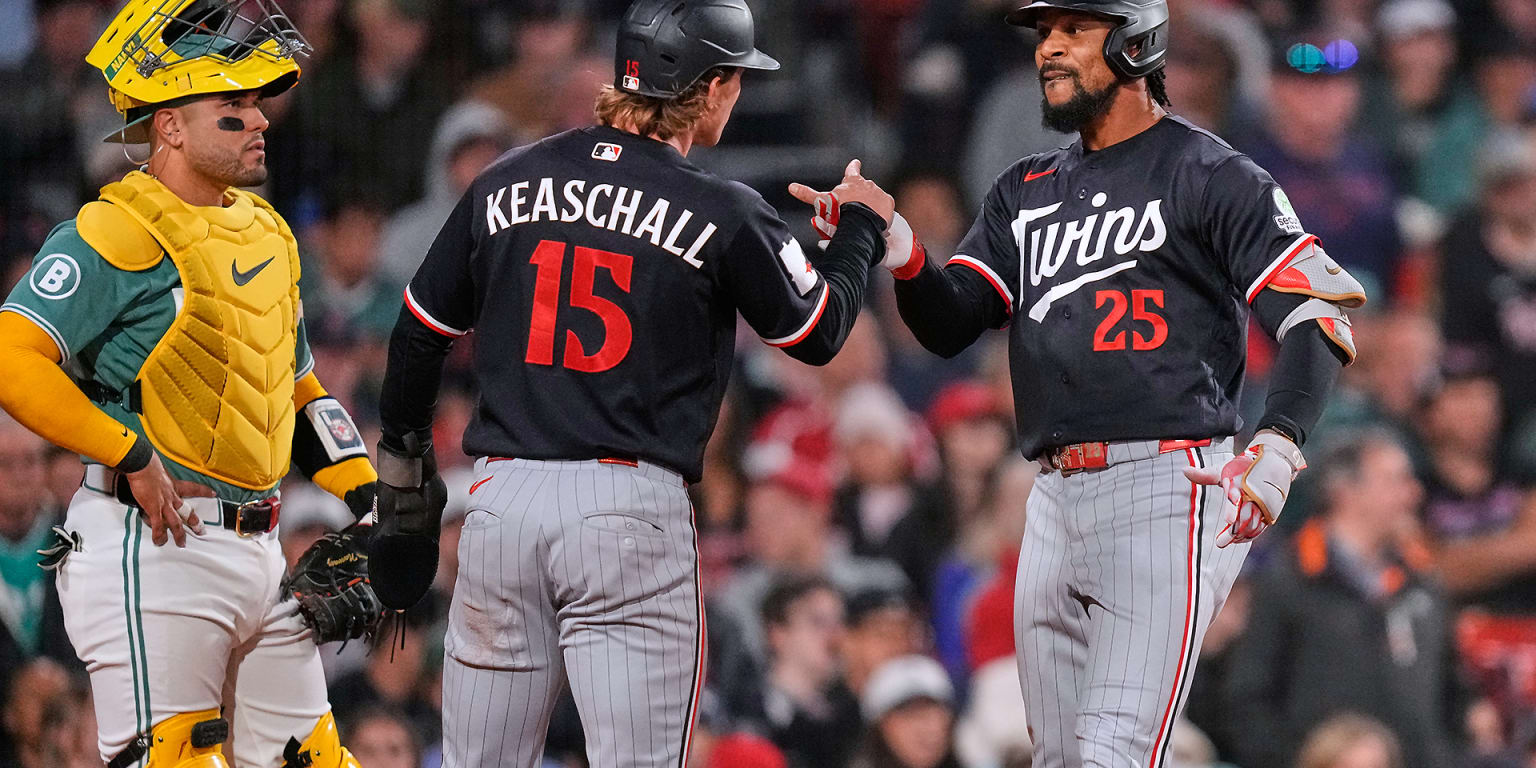
The Twins erased a three-run deficit Friday night at Fenway Park, finishing with an 8-6 win behind back-to-back seventh-inning home runs from Buxton and Martin. The sequence matters more than the final score: Boston's bullpen construction folded at a specific moment, and that vulnerability is repeatable.
Justin Slaten entered the seventh with a clean resume—seven consecutive scoreless outings coming in. But the Red Sox pattern of relief deployment created the opening. Payton Tolle, a left-hander, exited after four innings and 96 pitches with Boston holding a comfortable 6-3 edge. The switch to Slaten—a right-hander—invited Minnesota to hunt fastball opportunities against a fresh arm who hadn't worked a high-leverage situation. Buxton seized the 2-2 pitch for his 16th homer, cutting the deficit to one. Brooks Lee's walk reset the count, and Martin followed with a two-run shot into the Monster Seats that flipped the game entirely.
What Boston didn't account for was the Twins' offensive timing against that specific bullpen architecture. Connor Prielipp, Minnesota's starter, imploded in four innings—six runs allowed on seven hits and three walks—which should have buried Minnesota's comeback odds. Instead, the early damage invited aggressive late-inning hunting. When fresh relievers lack leverage experience or face a lineup already behind and swinging freely, homers become the path of least resistance. The Twins exploited that: they didn't manufacture runs through small ball. They waited for a fastball up and punished it.
For prop bettors, this sequence reveals a tactical split worth monitoring. The Red Sox bullpen's reliance on Slaten and similar mid-tier arms in high-leverage spots—when the lead is either compressed or gone—creates elevated home run risk. Buxton (16 HR pace suggests continued power aggression against relievers in the zone) and Martin (emerging power threat with patience at the plate) both cashed in because they faced fastball-heavy pitching without margin for error. If this series continues, righties who hunt for elevated fastballs early in counts against Boston relievers will find value on home run props. The market doesn't yet fully price the Fenway relief rotation's inability to execute in tight spots.
The win also reshapes bullpen trust for Minnesota going forward. Four straight relievers—Travis Adams, Yoendrys Gómez, Eric Orze, and Anthony Banda—locked down five scoreless innings after the Twins took the lead. That's a durable foundation, and it suggests Minnesota's bullpen can sustain comebacks if the offense stays aggressive. Single-game comeback narratives fade, but the structural insight—Boston's relief architecture invites late-inning power; Minnesota's pen can hold leads once taken—persists across the remaining matchups in this series.