MLB · injury
Kilian's Oblique Injury Collapses Phillies' Deadline Bullpen Gamble
Seven days after acquiring the right-hander to shore up relief depth, Philadelphia loses him to a moderate strain that could sideline him for weeks.
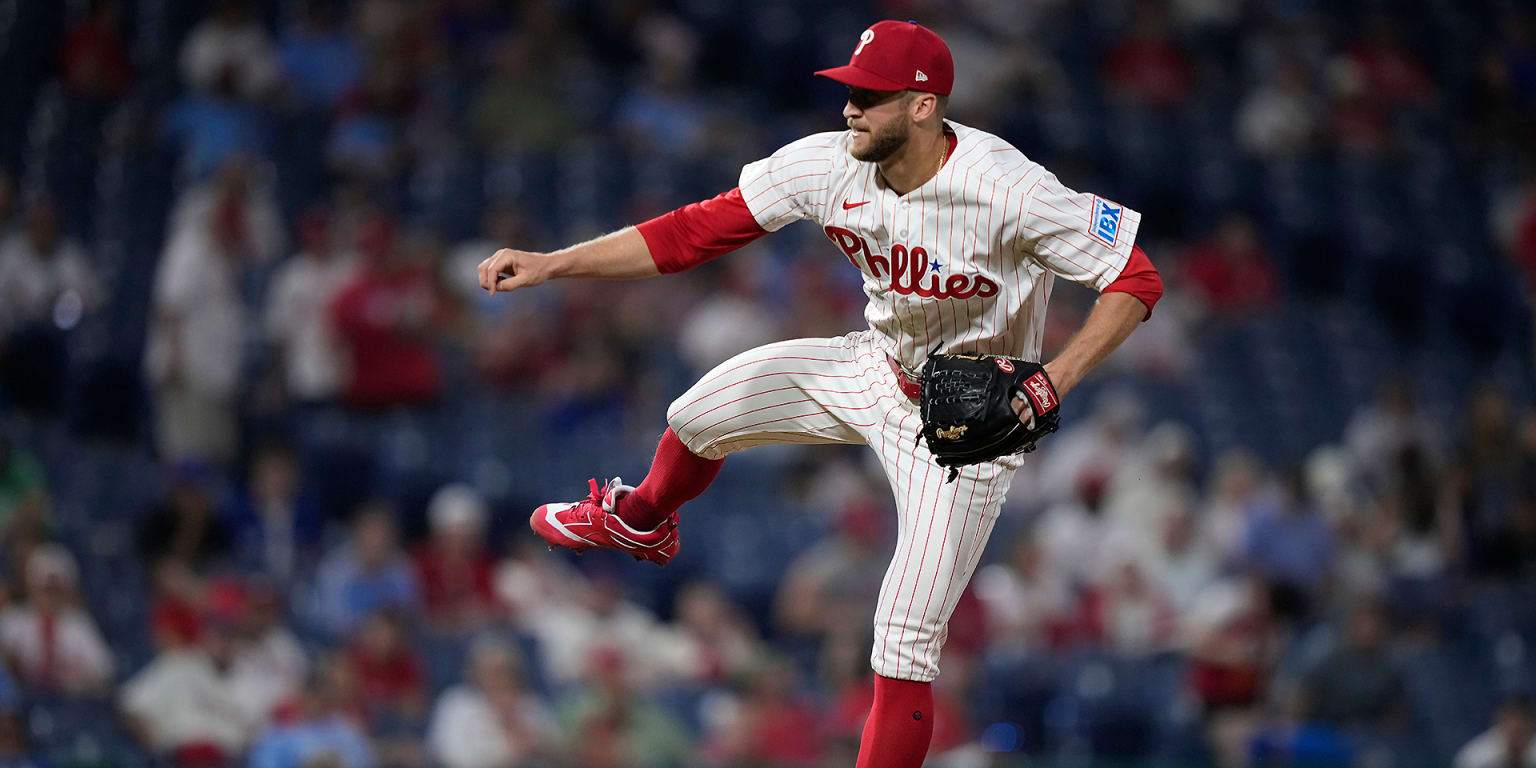
The Phillies' Trade Deadline acquisition of Caleb Kilian lasted exactly one week. On Monday, the club placed the right-hander on the injured list with a moderate left oblique strain after he departed Sunday's 12-inning victory over Toronto mid-inning, visibly favoring his side. Interim manager Don Mattingly offered no timeline beyond "for a while"—oblique injuries are notorious for their unpredictability and extended healing windows, making any return projection premature at this stage.
Kilian came to Philadelphia alongside Luis Arraez in a swap with San Francisco that cost the Phillies two minor-league arms. The move was tactical: the club needed bullpen reinforcement to protect its Wild Card positioning in a crowded race that includes the Cardinals, the very team it was facing when the injury occurred. Kilian's breakout season in San Francisco made him an asset on paper—the kind of mid-tier reliever who could absorb high-leverage innings without consuming premium salary. Four appearances into his Phillies tenure, he'd already logged 3 1/3 innings while allowing five earned runs across those outings. The sample was thin, the track record sketchy, and now it's academic.
The replacement is Chase Shugart, optioned to Triple-A before Sunday's game and immediately recalled. Shugart has appeared in 33 games for Philadelphia this season with a 4.93 ERA and a 2-1 record—pedestrian metrics that underscore what the Kilian acquisition was meant to solve. Mattingly acknowledged the club "didn't really want to send him out in the first place," which is a polite way of saying Shugart wasn't the reliever they preferred. Now he's the next man up by default, forced into a role he wasn't deemed reliable enough to hold before the injury chain reaction.
For Philadelphia's bullpen construction, this is a compound leak. The Phillies entered the deadline already operating with thinner depth than contenders prefer; acquiring Kilian was an explicit admission that internal arms weren't sufficient. A week-long contribution from a rentable relief piece—especially one who allowed runs at a concerning pace—doesn't move the needle either way on performance. What does move it: the loss of an available body and the forced reliance on a replacement-level arm (Shugart's 4.93 ERA sits at the floor of usable relief pitching) during a critical stretch of the season.
Prop-wise, the injury carries immediate implications for Phillies bullpen game structure. Shugart enters with a career 4.93 ERA and limited margin for error; lean toward unders on Philadelphia team totals in the short term as the club absorbs this personnel shock. The Phillies' bullpen leverage—expected-run value per inning pitched—drops measurably when you lose a specialized arm and backfill with a pitcher whose baseline ERA sits 40-60 basis points above league average. Over-reliance on starting pitchers and position-player depth will compound the strain. Watch for bullpen usage data to spike (more innings per reliever) as Mattingly stretches the rotation or cycles through the bench, both of which increase variance and scoring risk. The injury also widens the mathematical margin required for the Phillies to hold their Wild Card position; unders on team totals at 4.5 or higher carry enhanced appeal for the next 10-14 days, until either Kilian's timeline clarifies or the club acquires replacement depth.
MLB Intelligence — Baseball intelligence beyond the box score. Open MLB Intelligence →