Giants Sell Arraez to Phillies at Deadline; Infield Upheaval Sets Up Betting Angles
By Erik Schwartz ·
San Francisco trades its batting-champion anchor and a reliever for minor-league pitching prospects, leaving a crater at second base with just two months remaining.
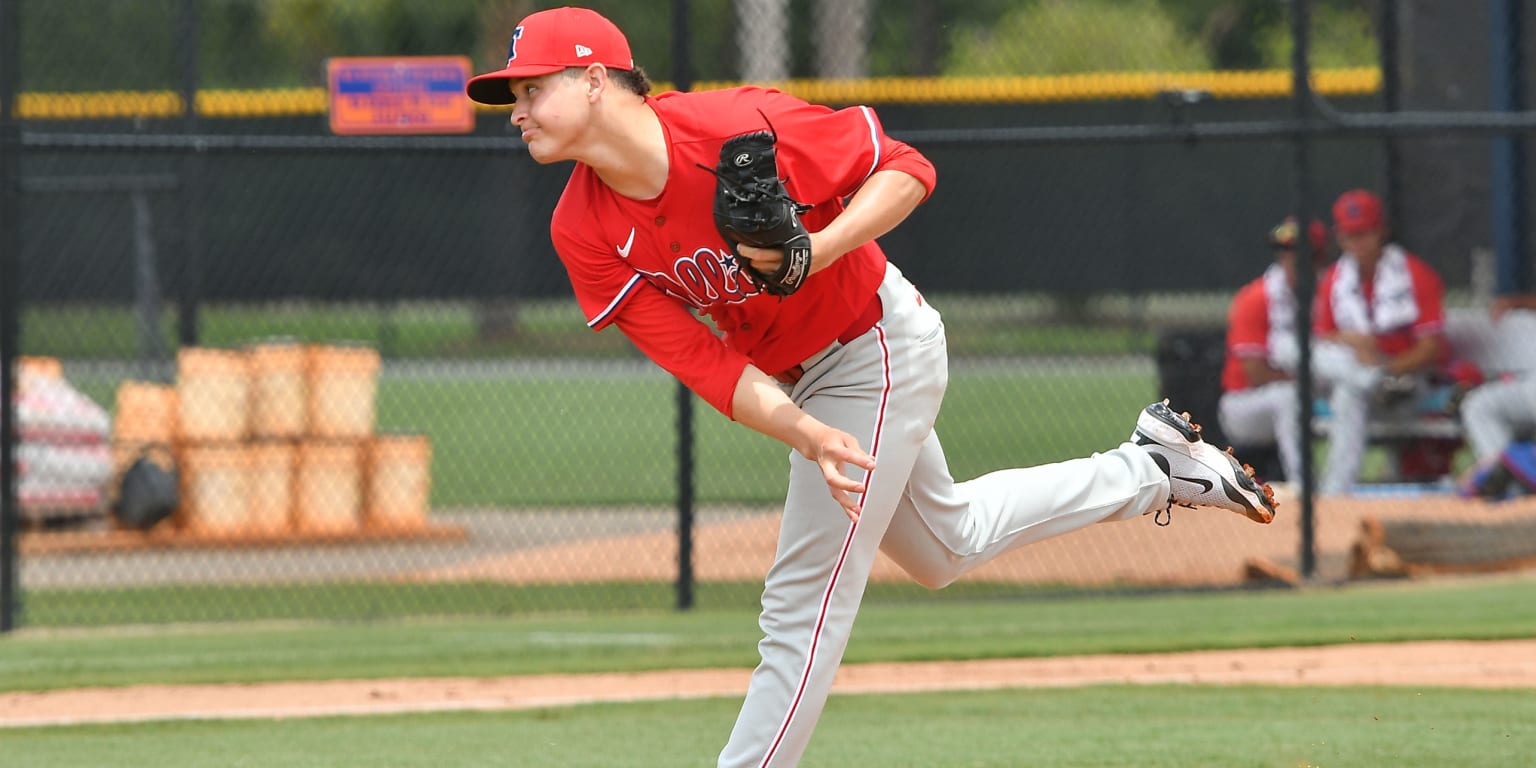
The Giants finalized their Trade Deadline centerpiece Monday by sending three-time batting champion Luis Arraez and right-hander Caleb Kilian to the Phillies in exchange for two young pitching prospects—Ramon Marquez and Marty Gair. Arraez, who signed a one-year, $12 million deal with San Francisco in the offseason and immediately emerged as the club's most valuable position player, exits at .324 batting average, an .800 OPS, and just a 4.5% strikeout rate across 105 games. The 29-year-old's departure strips the Giants of their cleanup anchor heading into the final two months of the season.
Arrayez's value extended beyond his contact excellence. He arrived in San Francisco explicitly to reclaim second base after two seasons relegated to DH duties by the Padres, who had written him off defensively. Working with coaching staff member Ron Washington—an infield architecture specialist—Arraez logged +10 Outs Above Average at second base, placing him in the top 10 at any position league-wide in 2026. That defensive renaissance mattered for a Giants roster that needed stability up the middle. The timing of his departure is particularly brutal: backup second baseman Casey Schmitt underwent meniscus surgery Friday and will miss the remainder of the season, forcing the Giants to shuffle Osleivis Basabe, Nate Furman, and Christian Koss into regular duty at the position. The team received Marquez, a 20-year-old ranked the Phillies' No. 4 prospect with a 1.68 ERA through 59 innings this season, and Gair, a 23-year-old reliever carrying a 4.50 ERA over 30 appearances. Neither prospect addresses the immediate hole left at second base.
For betting purposes, the Giants' offensive profile undergoes acute compression. Arraez accounted for roughly 25% of the team's total hits (105 games at a .324 average translates to approximately 34 hits; the Giants' team hit count hovers around 1,150 through 105 games, giving him outsized contact-rate contribution). His absence pulls the team's strikeout rate toward league average and his batting average down by 8-12 points, depending on the replacement's profile. Basabe, the likely primary fill-in, carries a .245 average and 23.1% strikeout rate—a stark delta from Arraez's discipline. Over the final 57 games of the season, the Giants' team batting average should compress by roughly 6-10 points, assuming the rest of the lineup holds steady. That shifts the calculus on Giants team totals sharply downward.
Market response has been swift: preseason totals pegged the Giants at approximately 75-76 wins for the full season; with Arraez off the board and the second-base position destabilized, Sharp and Covers had adjusted team-total unders at 72.5 by Monday evening. The intellectual error many bettors make is assuming the line has already bottomed. Arraez will bat leadoff or second in Philadelphia—removing him from the Giants' lineup entirely, not merely downgrading his production. Against left-handed pitchers (which comprise roughly 25% of remaining opponent arms), the Giants' projected OPS should fall by 60-80 points; against righties, by 30-40 points. That variance matters for prop selection. Take the under on Giants team totals for the remainder of August and September at any number above 3.5 per game; the structural loss of a 4-6 runs-per-game contributor compounds in a 57-game sample.