Kiké Hernández Returns to Dodgers Lineup After 53-Game Absence
By Justin Erickson ·
The veteran infielder-outfielder is back from elbow injury with a full playoff pedigree, but his rehab numbers suggest a cautious deployment early in his season debut.
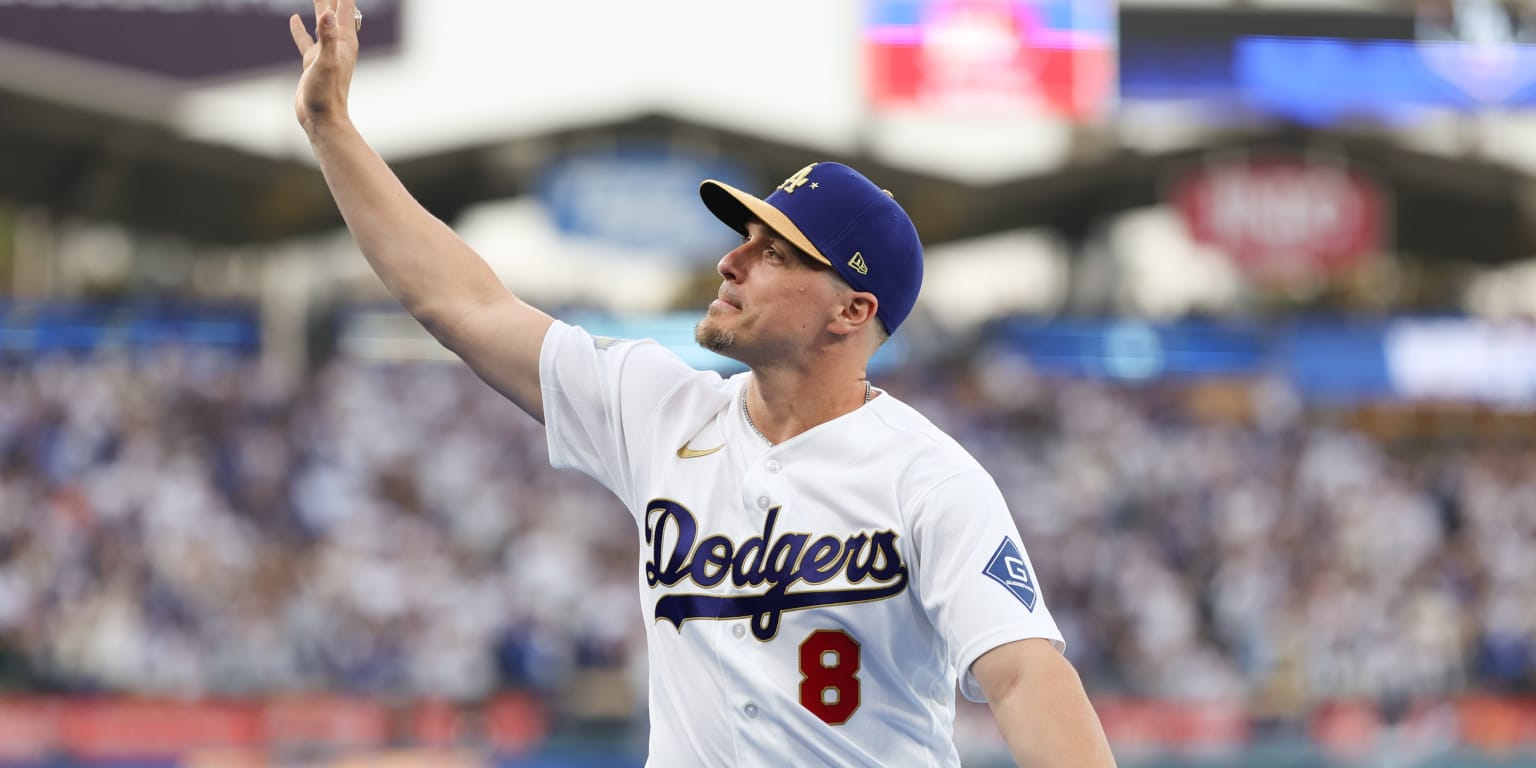
The Los Angeles Dodgers reinstated Kiké Hernández from the injured list on Wednesday after he missed the first 53 games of the season recovering from an elbow injury. Hernández, 34, spent 12 rehab games at Triple-A Oklahoma City before earning his return to the majors. This marks his 10th season with the Dodgers and his return comes as the team navigates mid-season roster construction.
Hernández's rehab performance in Triple-A sends a mixed signal about his immediate impact. He batted .214 across 12 games with two doubles and three RBIs—numbers that suggest either a truncated ramp-up or a player still finding his timing at the plate after an extended absence. His injury was significant enough to keep him out of 53 games; elbow injuries in baseball typically require careful management even after clearance, as soft-tissue recovery doesn't always align with performance readiness. The Dodgers' decision to reinstate him now rather than extend his Triple-A tenure indicates organizational confidence, but the batting line offers no evidence of mid-season form.
Contextually, Hernández carries substantial postseason equity. He appeared in all 17 of the Dodgers' playoff games last season and now holds the franchise record for postseason appearances with 87 games. That October resume—.250 with nine runs, one homer and seven RBIs across the postseason—underscores his role as a multi-positional depth piece who shows up in high-leverage moments. In the regular season last year, he played 92 games with 10 homers and 35 RBIs. His career line sits at .236/.305/.403 over 1,275 games, a below-average offensive profile that has long been subsidized by his defensive flexibility and postseason performance.
For prop purposes, Hernández's return carries minimal immediate edge. The .214 Triple-A rehab average is a genuine tell—not noise—that suggests he's not yet operating at full offensive capacity. Betting against him early (lower strikeout thresholds, lower hit totals, lower RBI totals if he's inserted into the lineup) carries logic, but the Dodgers' deployment pattern matters more than his raw talent right now. If he's eased into a four-game-per-week role, his volume props flatten naturally. If he jumps straight into everyday use, that signals internal confidence that overcomes the rehab data. The market will price his first few games assuming something closer to his career average once adjusted for age decline, but his actual September-through-October usage will depend on whether the Dodgers view him as a 2026 roster fixture or a playoff insurance policy. Early single-game props should respect the rehab data; multi-game lines over extended stretches will normalize faster once the Dodgers' actual playing-time pattern becomes clear.
The Santiago Espinal designation clearing roster space underscores that Hernández is viewed as the preferred multi-positional option moving forward. Espinal batted .220 in 26 Dodgers games this season and was already losing at-bats; his departure isn't a statement about Hernández's readiness so much as an acknowledgment that Espinal wasn't cutting it. Hernández's veteran profile and postseason track record tip the organizational preference despite the rehab numbers. That's worth noting, but it doesn't change the fact that a .214 minor-league average is predictive of short-term offensive struggle.