Hernández Returns from Grade 3 Oblique Ahead of Schedule—But Dodgers Will Manage His Early Load
By Justin Erickson ·
A stem-cell-accelerated recovery brings the Dodgers' utility veteran back to the active roster two months ahead of worst-case timeline, though manager Dave Roberts signals cautious deployment against right-handed pitching.
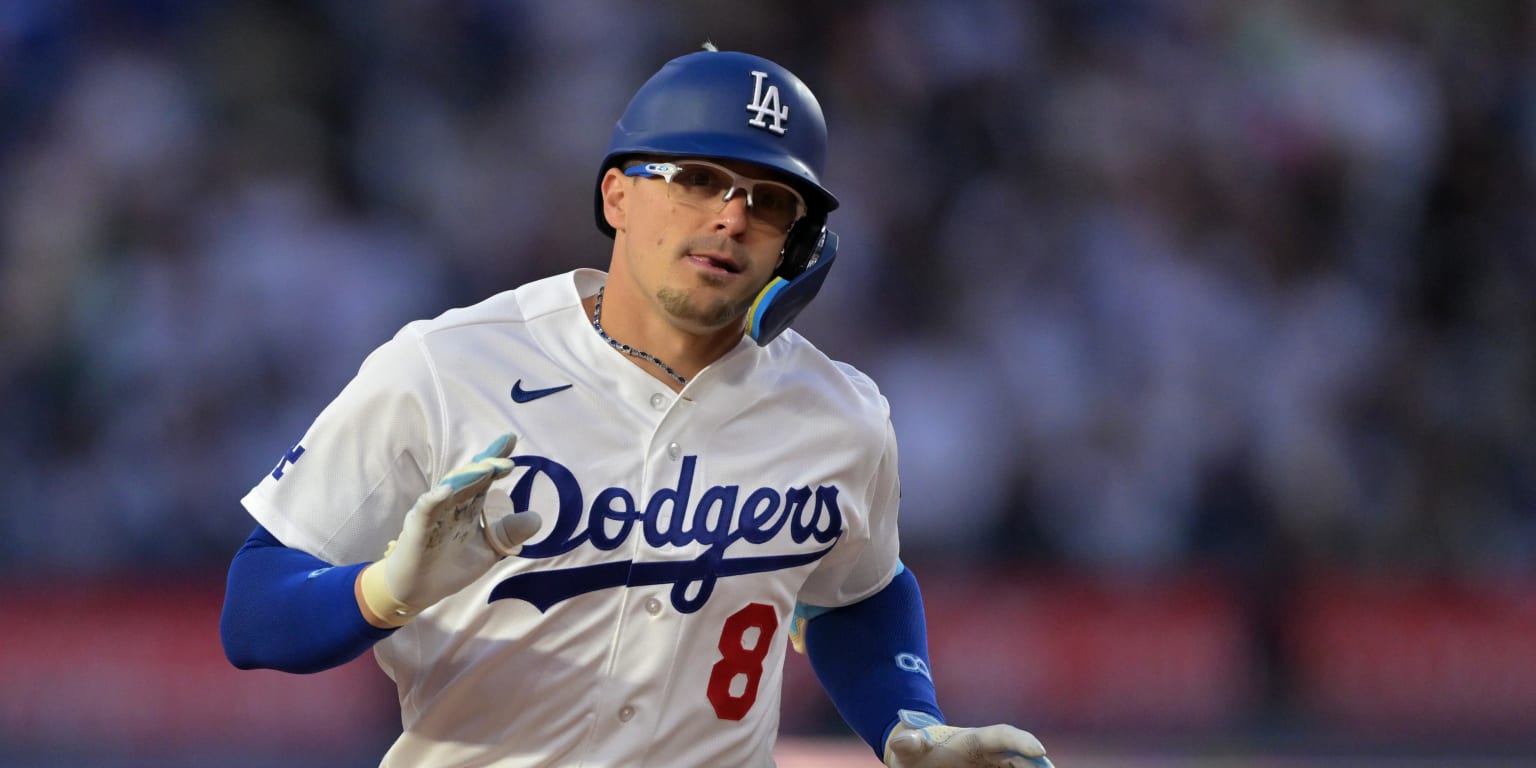
Enrique Hernández was activated from the injured list Tuesday for the Dodgers' series opener against Seattle, roughly a month ahead of the original three-month recovery window for his Grade 3 oblique tear. The injury, suffered May 26 after just two games and four at-bats into his season, was catastrophic enough to trigger an anxiety episode and force a fundamental reset on his entire 2026 campaign. Now, after seven rehab games, stem-cell treatment, daily hyperbaric and cold-plunge protocols, and a successful six-week imaging confirmation of complete tissue healing, Hernández is back.
The velocity of the return—from catastrophic-grade diagnosis to active-roster eligibility in roughly two months—hinges on aggressive medical intervention and Hernández's obsessive adherence to a rotation-focused rehab plan designed to prevent scar-tissue accumulation. This isn't a marginal soft-tissue return; the medical staff had a specific blueprint, and Hernández executed it with precision. The Dodgers didn't rush him back on hope or calendar math; they brought him back because scans confirmed structural integrity.
However, manager Dave Roberts is threading a careful needle on workload. Against this week's three right-handed starters, Hernández will likely see bench duty—a meaningful operational signal. The real deployment window opens next week, when Roberts projects five consecutive left-handed starters. That's the firewall: Hernández gets ramped through favorable matchups, not thrust into full-time availability immediately. This is classic smart management of a returning player whose injury window was historically dangerous (Grade 3 tears often require surgery and sideline players into the following season). Roberts isn't treating Hernández as a full platoon player yet; he's treating him as a high-leverage bench option who will earn full at-bats against southpaws.
For betting purposes, Hernández's return introduces noise into Dodgers' lineup construction and daily game-prop selection. His presence increases depth on the bench and creates pinch-hit and late-game substitution optionality that didn't exist when he was on the injured list. More important: his platoon bias (left-handed batter, defensive versatility against certain matchups) will correlate with specific opposing pitcher handedness, creating swing-out scenarios in team-total and spreading props. When the Dodgers face consecutive right-handers, expect Roberts to bench Hernández or limit him to late-inning defensive replacements—a personnel texture that reduces offensive depth. When left-handers come on, Hernández becomes a reliable floor-riser for pinch-hit and run-production opportunities.
The edge here is narrow and matchup-dependent: Dodgers team totals and hitting props should carry higher volatility over the next two weeks as Roberts calibrates Hernández's role. Take unders on Dodgers spreads in right-handed-heavy series, particularly if the opponent's left-handed bullpen is weak (since Hernández won't be available as a pressure-cooker pinch hitter). Conversely, lean cautiously toward overs when facing extended left-handed rotations, since Hernández's insertion into the lineup adds both depth and plate-discipline upside that the pregame total may not have fully priced. This edge is durable only if you track starting pitcher handedness and Roberts' stated easing-in protocol week-to-week.