Red Sox Return from All-Star Break With 10-Game Win Streak Intact—and a Clearer Path to Contention
By Justin Erickson ·
Boston's 15-2 surge since late June has erased early-season dysfunction, and their post-break performance suggests the momentum isn't folklore.
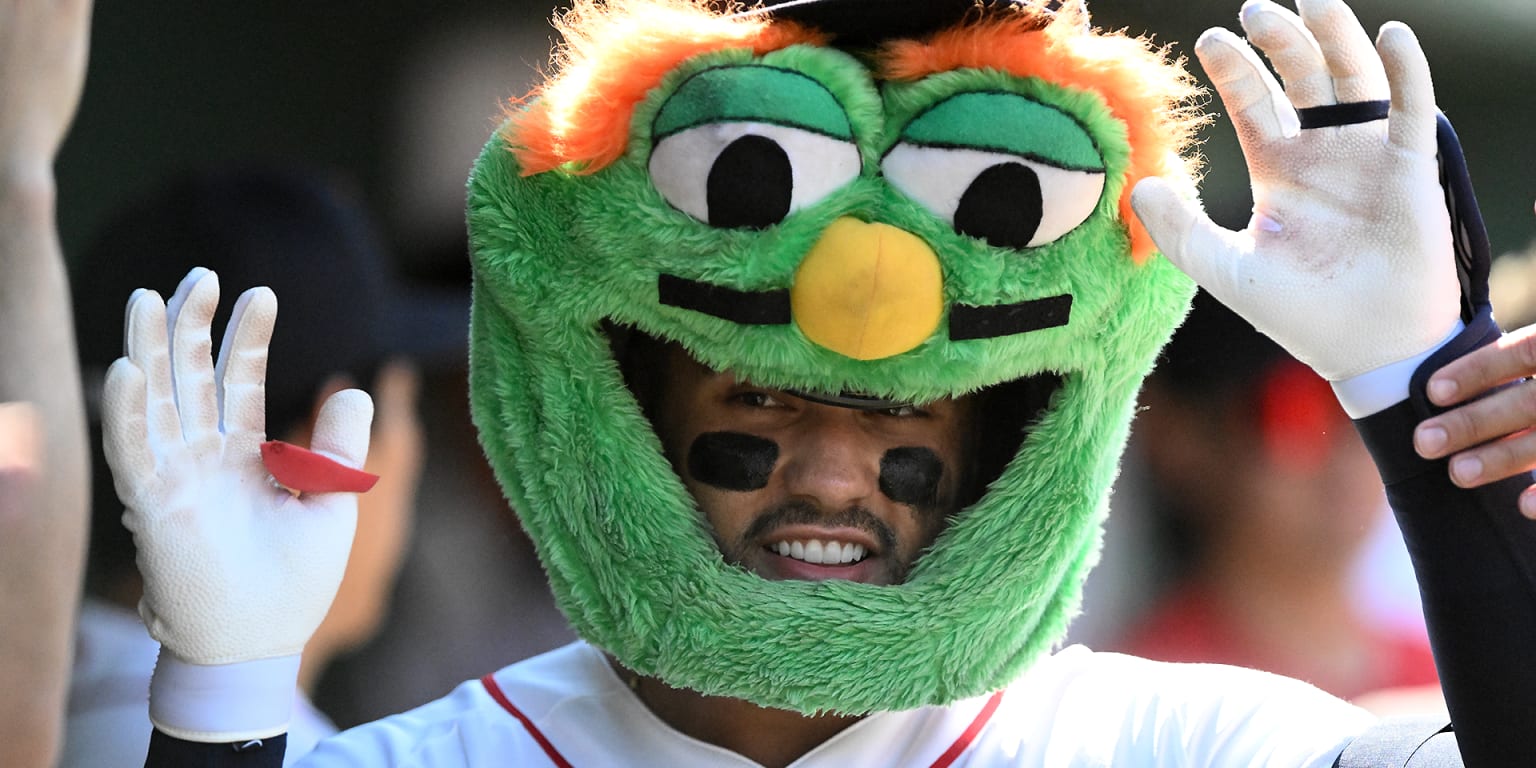
The Red Sox crushed the Rays 10-0 in Friday's All-Star break makeup game, extending their win streak to 10 consecutive victories. The blowout came immediately after a week off, a moment that usually derails hot teams. Instead, interim manager Chad Tracy's pre-break message—stay focused on baseball—proved more durable than clichéd. Nearly 90 percent of the roster attended an optional workout during the layoff. Boston walked back into Fenway and executed the kind of controlled, ballpark-specific baseball that doesn't rely on raw power: back-to-back sacrifice bunts that turned into RBI singles in a six-run sixth inning, small tactical wins that accumulate into momentum.
This surge is now quantified: 15-2 since June 25, dragging the Red Sox within a game of .500 at 47-48. After three months of organizational dysfunction—early-season futility that looked chronic—Boston's roster has abruptly resembled a different team. The catalyst isn't a single addition; it's calibration. Rookie Jake Bennett, acquired from Washington in December and limited to Double-A ball until this year, has become the rotation's stabilizing force. In four starts during this 15-2 run, Bennett is 4-0 with a 1.00 ERA. In this outing against Tampa Bay, he delivered six innings of one-hit baseball. That's not variance—that's threshold-crossing performance that reframes a pitcher from prospect to usable starter.
Offensively, Masataka Yoshida has moved in lockstep with the team's awakening. Since June 27, he's hit .452 with nine runs scored, four doubles, and three home runs in 31 plate appearances. In Friday's game, he was a triple away from the cycle, including a 87-mph homer off Pesky's Pole with an expected batting average of .010—pure luck in the right frame. That's the glue holding this run together: skill (Bennett's command, Yoshida's consistency) colliding with timely execution and small-ball fundamentals. The market still treats Boston as a second-tier AL East threat, but the pre-break betting line already began to catch the recent form. Post-break, with Bennett making his next start and Yoshida carrying hot-hand metrics into a softer schedule stretch, the question shifts from "is this real" to "how long does it hold."
For prop bettors, Bennett's reliability during this run creates an asymmetric angle. His ERA over this 15-2 window sits at 1.00; his swinging-strike rate and fastball command metrics haven't regressed. Against weaker AL East secondaries in the coming week, lean into his strikeout prop (currently floating at conservative totals given his early-season prospect status and lack of reputation). The market hasn't priced Bennett at the level his recent performance warrants because reputation lag is real—databases take weeks to catch up to sustained excellence. Yoshida's hot-hand signal is ephemeral; it fades within 2-3 weeks if the underlying plate discipline doesn't hold. But over the next 5-7 games, his hit total and run-scoring props offer value because the Sox as a team are playing with the kind of purposeful lineup construction (bunts, station-to-station baserunning, precise contact) that generates hits-per-plate-appearance spikes. This isn't recency bias; it's a tactical shift that persists until defenses account for it.