MLB · injury
Bart's Hand Fracture Derails White Sox Catching Plans Mid-Deadline Window
Three games into his tenure with Chicago, the newly-acquired catcher is sidelined with a left-hand break—forcing the White Sox into an unplanned roster recalibration heading into a critical stretch.
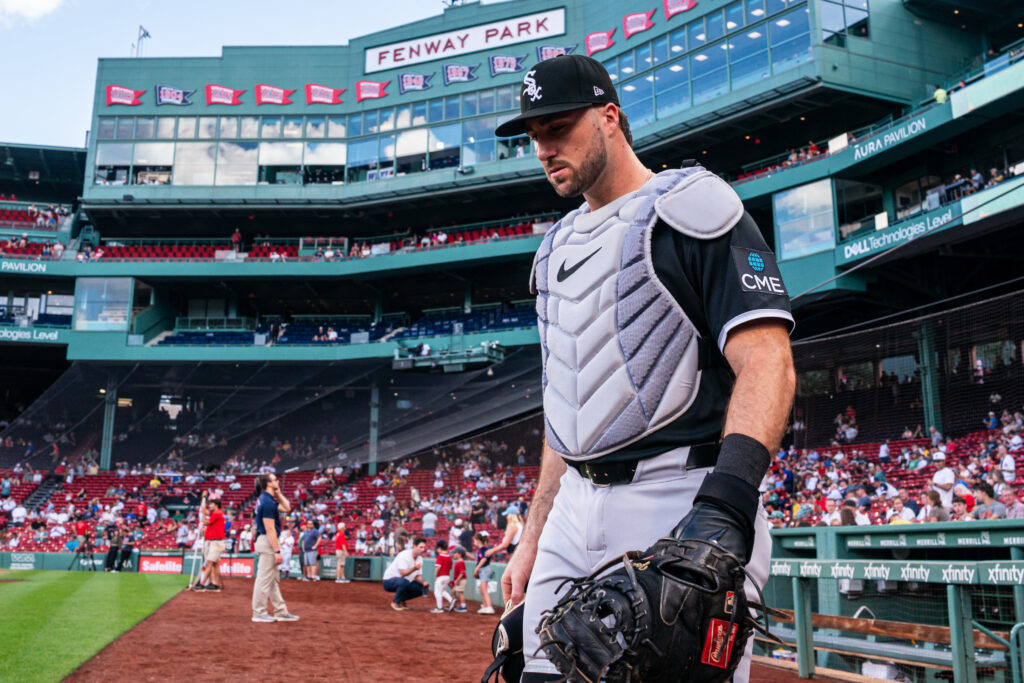
Joey Bart's White Sox experiment lasted exactly three appearances. The catcher, acquired at the trade deadline to shore up Chicago's offensive output behind the plate, suffered a fractured fifth metacarpal in his left hand tonight after taking a 98 mph fastball from Red Sox southpaw Erik Miller. Bart was immediately replaced by Drew Romo, and the team has already signaled that an injured list placement is imminent.
The timing is brutal. The White Sox traded meaningful capital to land Bart—a player the front office clearly valued as a mid-order offensive threat to stabilize a rotating group of catchers. One plate appearance, one mistake pitch location, and that investment is frozen. The second-year catcher had shown pop in limited exposure this season (.220 ISO in his previous stops), and Chicago's analytics department presumably sized him as a positive expected-value addition in what remains of their playoff chase. Now the organization must pivot.
Drew Romo inherits the workload immediately. Romo is a serviceable defender with minimal offensive profile—a .284 OPS over 87 at-bats this season. He'll draw the bulk of starts until Bart either clears the IL or the White Sox determine the injury timeline is longer than their payoff window. For a team already operating on compressed payroll efficiency, losing offensive production from the catching position after investing trade capital is a genuine setback.
The prop implications cut in multiple directions. First: strikeout rates for White Sox opposing pitchers should decline modestly. Romo's pitch-framing is adequate but not elite; he doesn't generate the called-strike premium that premium framers do. Against fastball-heavy arms like the Red Sox southpaw who injured Bart, opponents will see marginally more swings and misses simply because Romo's receiving doesn't edge pitches into the strike zone as consistently. Second, and more directly: White Sox team totals and run-line pricing should compress downward over Bart's absence. A .284 OPS catcher produces approximately 0.15 runs per game less than a league-average offensive catcher. Depending on recovery timeline—metacarpal fractures typically sideline players 4-6 weeks if surgery isn't required—the White Sox are looking at 15-20 games of offensive drag at a position that compounds roster leverage in close contests. If Bart requires surgery, the timeline extends into September.
Market pricing has likely not yet adjusted for the full magnitude of this absence. Bart's three-game sample is statistically invisible; sportsbooks won't have updated White Sox offensive projection models in real time. The edge exists in the next 24-48 hours, before line movement reflects the permanent loss of 4-6 weeks of offensive catching production. Unders on Chicago team totals and overs on opponent team totals carry value while the market still prices for a rotation that includes Bart.
MLB Intelligence — Baseball intelligence beyond the box score. Open MLB Intelligence →