MLB
Jobe's Return Reshapes Tigers' Rotation Math—And Their Stretch-Run Ceiling
After 14 months away, Jackson Jobe rejoins Detroit's rotation Saturday with his velocity intact and mechanics refined, but faces a debut stripped of the veteran mentors who guided his first taste of the majors.
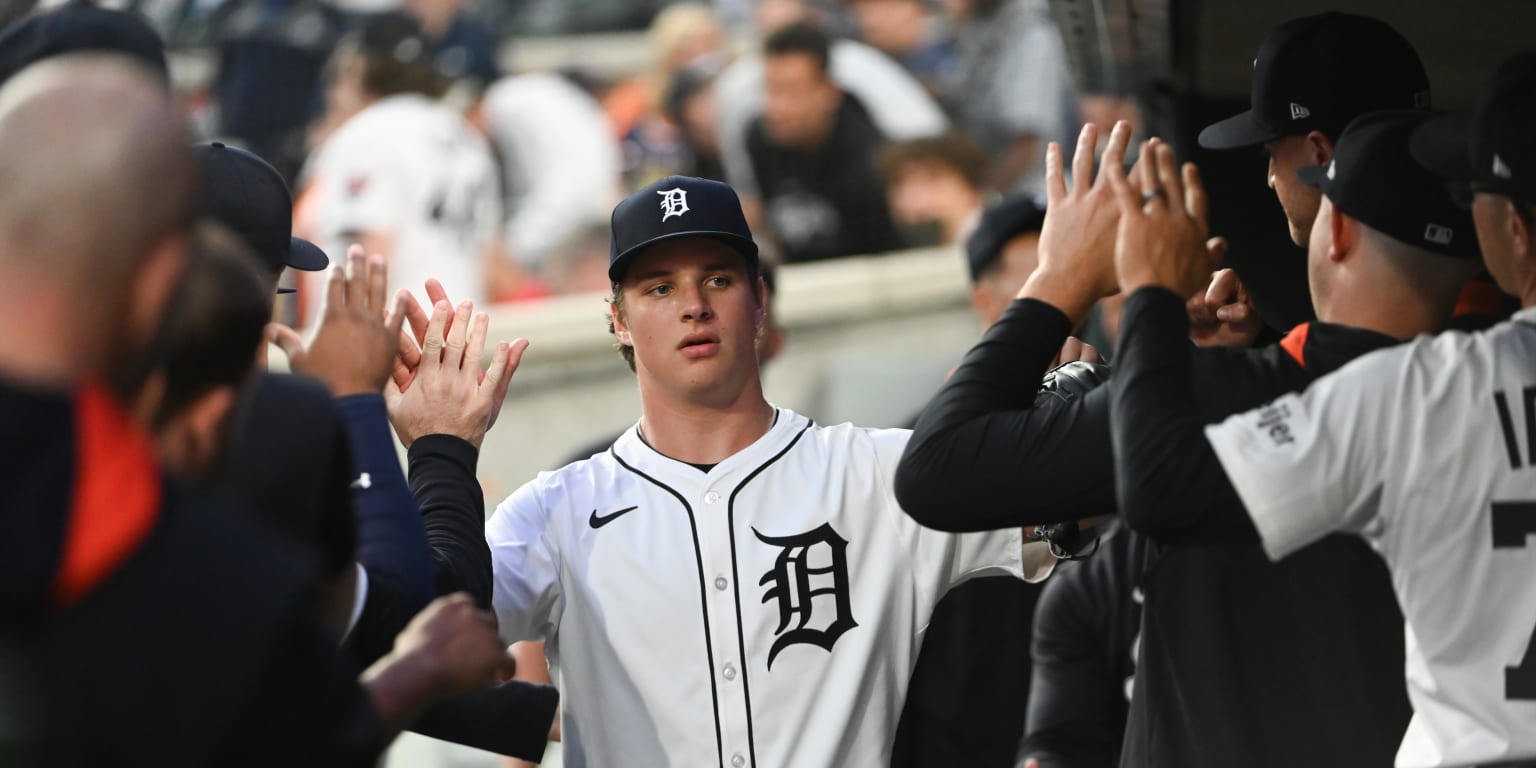
Jackson Jobe is scheduled to start Saturday in San Francisco, marking his first Major League appearance since May 28, 2025—a 70-week absence following Tommy John surgery on his right elbow. The 2021 third overall draft pick touched down in Seattle on Tuesday morning, eager to rejoin a Tigers roster now missing both Tarik Skubal and Casey Mize to trades, and he'll inherit a rotation suddenly dependent on a 24-year-old who spent the last four weeks grinding through minor-league rehab assignments across Detroit's farm system.
Jobe's physical readiness is not in question. His fastball hit 100 mph in his first rehab outing and held there throughout the assignment. His slider retained its high-spin profile—the weapon that made him a prospect worth trading for in the first place—and his changeup showed enough bite to neutralize minor-league hitters. The real test is execution under big-league pressure after a year and change away from the batter's box. Jobe himself identified two-strike command as the trailing edge of his return; he's still chasing that last layer of precision timing, the difference between a reinstated Tommy John arm and a reinstated Tommy John pitcher. That refinement typically arrives through live at-bats, not simulations or low-leverage rehab games. Saturday's start in a non-playoff market gives Detroit a softer landing zone than a September wild-card race would, but the clock on that learning curve is already running.
What makes Jobe's timeline particularly delicate is the absence of Skubal and Mize—the exact veterans who'd navigated the same surgery and could tell him what hindsight looks like. Jobe leaned on those conversations during his rehab; losing them as in-season sounding boards removes a layer of institutional knowledge. Detroit's front office clearly made the trade math with his return factored in: the Tigers wouldn't have shipped out two front-line starters without confidence that Jobe could stabilize the back end of the rotation. That bet speaks to his upside. But it also means any early rough patches fall directly onto Detroit's playoff odds.
For prop players, Jobe's Saturday debut carries immediate utility and longer-term risk simultaneously. His strikeout prop will likely open in the 5.5–6.5 range for a pitcher making his first appearance in 14 months against a Dodgers lineup he's never faced. The market will price in some rustiness and command uncertainty. However, Jobe's high-spin slider and the fact that Dodgers hitters haven't seen him before creates a one-game information edge: early opposing lineups are often unprepared for stuff they haven't studied in-season. Over/unders on his team total become a separate question—how much runway does a Tigers offense get with Jobe working through his first three or four innings with elevated pitch counts? Saturday's game in San Francisco is a debut game, and debuts favor the unknown hand. The edge fades once Dodgers video scouts have 50 pitches to dissect.
The longer angle sits in Tiger team totals across his next 2–3 starts. If Jobe executes without major command leaks and his velocity holds—both demonstrated in rehab—Detroit's rotation suddenly has a third viable starter entering the final stretch. That durability matters in a playoff hunt. But the first start is a process check, not a performance projection. Fade any aggressive Jobe strikeout overs on Saturday; take the information, watch the tape, reassess his opponent-specific command profile after one outing. The durability play comes after the debut settles.
MLB Intelligence — Baseball intelligence beyond the box score. Open MLB Intelligence →