How St. Louis Turned a Waiver-Wire Reclamation into Bullpen Glue
By Justin Erickson ·
George Soriano's February arrival from Washington has proven far more impactful than a minor reliever swap on the surface, reshaping the Cardinals' late-inning flexibility with a single strategic pitch addition.
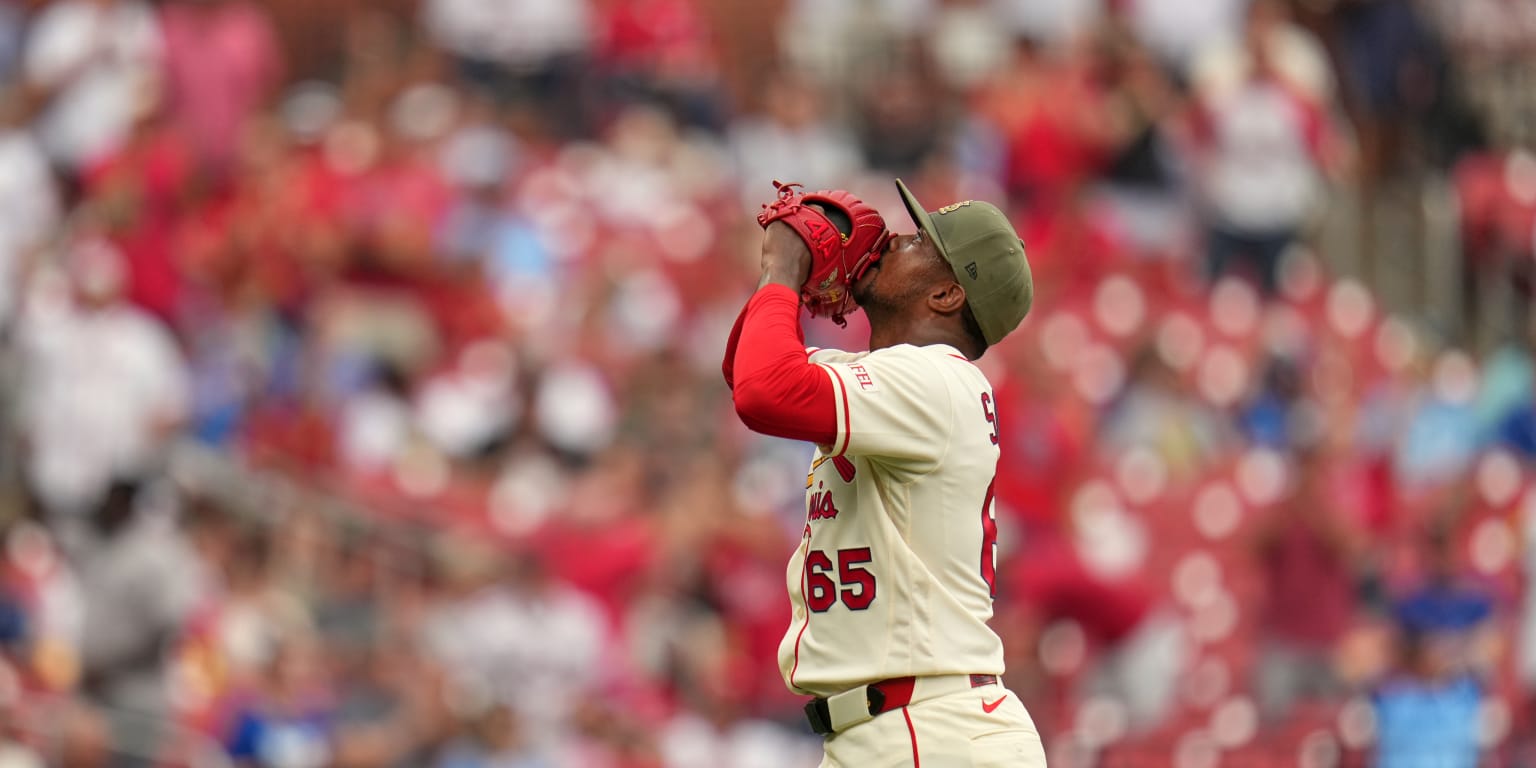
Four months ago, the Cardinals executed a depth trade that barely registered—Andre Granillo to Washington for George Soriano, a reliever no one else had wanted badly enough to claim off waivers. Soriano arrived with a 7.64 ERA across two injury-marred seasons with Miami and a career that had already cycled through multiple organizations. The Cardinals' gamble on a 27-year-old reclamation project looked thin on paper. But since February 10, Soriano has become a cornerstone of their bullpen construction, posting a 3.08 ERA in 28 games (26⅓ IP) while his recent 15-game stretch—just three earned runs allowed—has elevated him into high-leverage closing situations under Oliver Marmol.
The real story isn't Soriano's bounce-back; it's how the Cardinals engineered it. Upon acquisition, the player development group identified a specific weakness: left-handed hitters had demolished him in 2025, slashing .359/.419/.731. Rather than accept that platoon vulnerability, they introduced a gyro slider to his arsenal—a firmer, tighter-moving complement to his existing offerings. The addition wasn't cosmetic. Soriano already possessed a wipeout changeup in the low-90s with elite break, but without secondary weapons to set it up, left-handed hitters could sit fastball-plus-change and attack accordingly. The slider changed the calculus entirely. Facing 53 left-handed batters since the addition, he's held them to .167/.245/.271—a 180-degree inversion from his 2025 baseline.
That differential isn't variance; it's a permanent shift in his functional pitch mix. By introducing a second breaking ball, the Cardinals didn't just add a pitch—they unlocked the changeup's true potential, turning it from a gettable third option into a near-unhittable out. He's allowed one hit on the changeup against left-handed batters all year, a single. The strategic layer here matters for the betting market: Soriano is no longer a platoon relief arm. He's a true multi-inning weapon in a bullpen depth chart, meaning his appearances will no longer cluster in specific matchups. The Cardinals can deploy him in consecutive-night situations, high-leverage moments regardless of opponent handedness, and even spot-start scenarios if the bullpen requires it.
For props and team totals, Soriano's emergence tightens the Cardinals' late-inning reliability in ways that affect total pricing. A bullpen without a trusted swing-and-miss specialist against left-handed hitters forces leads to compress; one that has that option expands decision trees for managers and tightens game outcomes. The Cardinals' team total and run-line pricing has benefited from this depth, and it will continue to as long as Soriano remains effective. With four more years of club control at age 27, this isn't a September miracle or a mid-season hot streak—it's infrastructure. The market may still be slow to price in how much one reclaimed reliever has genuinely altered St. Louis' bullpen ceiling, particularly in games where late-inning platoon pressure defines the outcome.