Young's Homecoming Blast Ends Kirby's Skid; Raleigh's Power Window Tightening
By Justin Erickson ·
Cole Young's two-run homer in his Pittsburgh debut powered Seattle past the Pirates, but the real narrative sits with Cal Raleigh's oblique recovery and whether his power output can recover from a historically weak 2026.
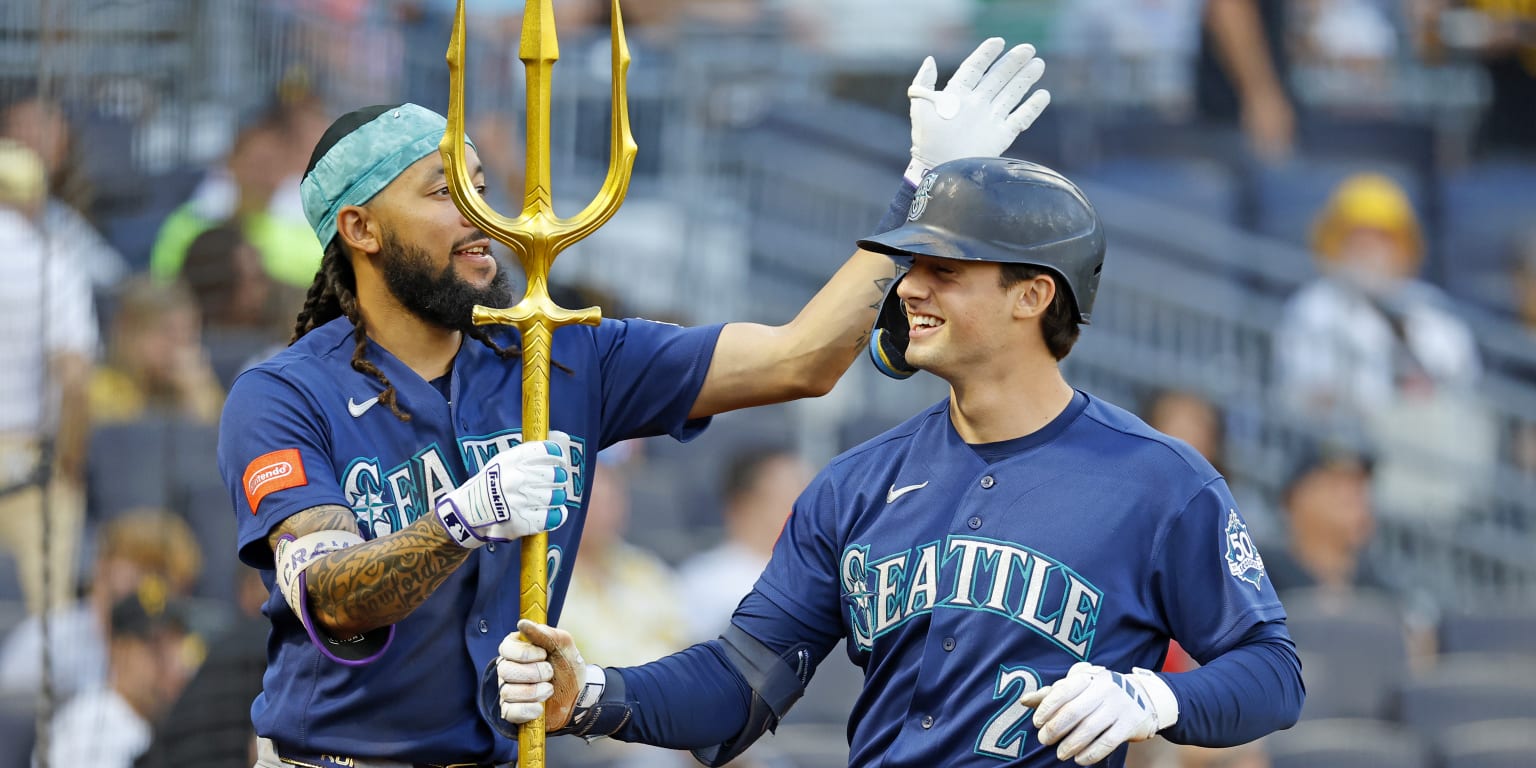
Cole Young delivered the moment his hometown demanded. The 22-year-old Mariners second baseman, who spent his childhood chasing batting practice fly balls at PNC Park, pulled a two-run shot off Mitch Keller in the seventh inning Tuesday to lift Seattle to a 3-2 win and snap George Kirby's five-game losing streak. Young's homer—his seventh of the season—was the decisive blow in a low-scoring game where the Mariners' other run came from Cal Raleigh's solo shot in the fourth, ending a 64-plate-appearance drought since April 27.
The Young storyline carries emotional weight, but it masks a more complex problem: Raleigh's power collapse and the window to recover it. Raleigh returned from an oblique strain on June 15 after sitting out from May 14—roughly one month on the shelf. His eight home runs through late June represents a pace toward 20-25 for the full season, a stunning drop from his 60-homer 2025. That wasn't a fluke year; it was a legitimate peak performance in his prime years. The oblique injury derailed his early season momentum, and even with his return, he hasn't found his footing at the plate. One homer in eight games since returning is the kind of tepid output that suggests either incomplete recovery or a deeper mechanical issue.
Kirby's win matters less than the context around it. His six innings, five strikeouts, and two earned runs are solid-adjacent work for a pitcher trying to exit a brutal stretch (five losses in eight starts). But the Mariners' run differential tells the real story: they're winning tight games on clutch homers rather than sustained offensive pressure. That's the opposite of a sustainable winning recipe. Young's clutch performance is exactly what a second-place hitter should deliver in leverage spots, yet the offense as a whole is leaning too heavily on individual moments rather than lineup depth.
For betting purposes, Raleigh's power props warrant caution over the next 10-14 days. His home run line, if posted at 0.5 or higher, should face fading scrutiny until he strings together multiple games with quality contact metrics (exit velocity, barrel rate). The oblique typically leaves hitters vulnerable to further injury if they're rushing their mechanics to compensate for lack of strength—a recipe for recurring setbacks. Young's breakout is genuine and worth monitoring for consistency, but one clutch game doesn't change his season-long profile as a sub-.250 hitter with middling power projection. The Mariners' moneyline in low-leverage spots (non-pennant-race games) becomes less attractive if Raleigh's power remains suppressed and the team continues to ride single-swing margins.