Yankees' Draft Dividend: Five First-Rounders in the Lineup Changes the Math on Roster Durability
By Justin Erickson ·
The Yankees fielded five homegrown first-round picks in their starting lineup for the first time in franchise history—a signal that their player development overhaul is paying dividends at the worst possible time in a pennant race.
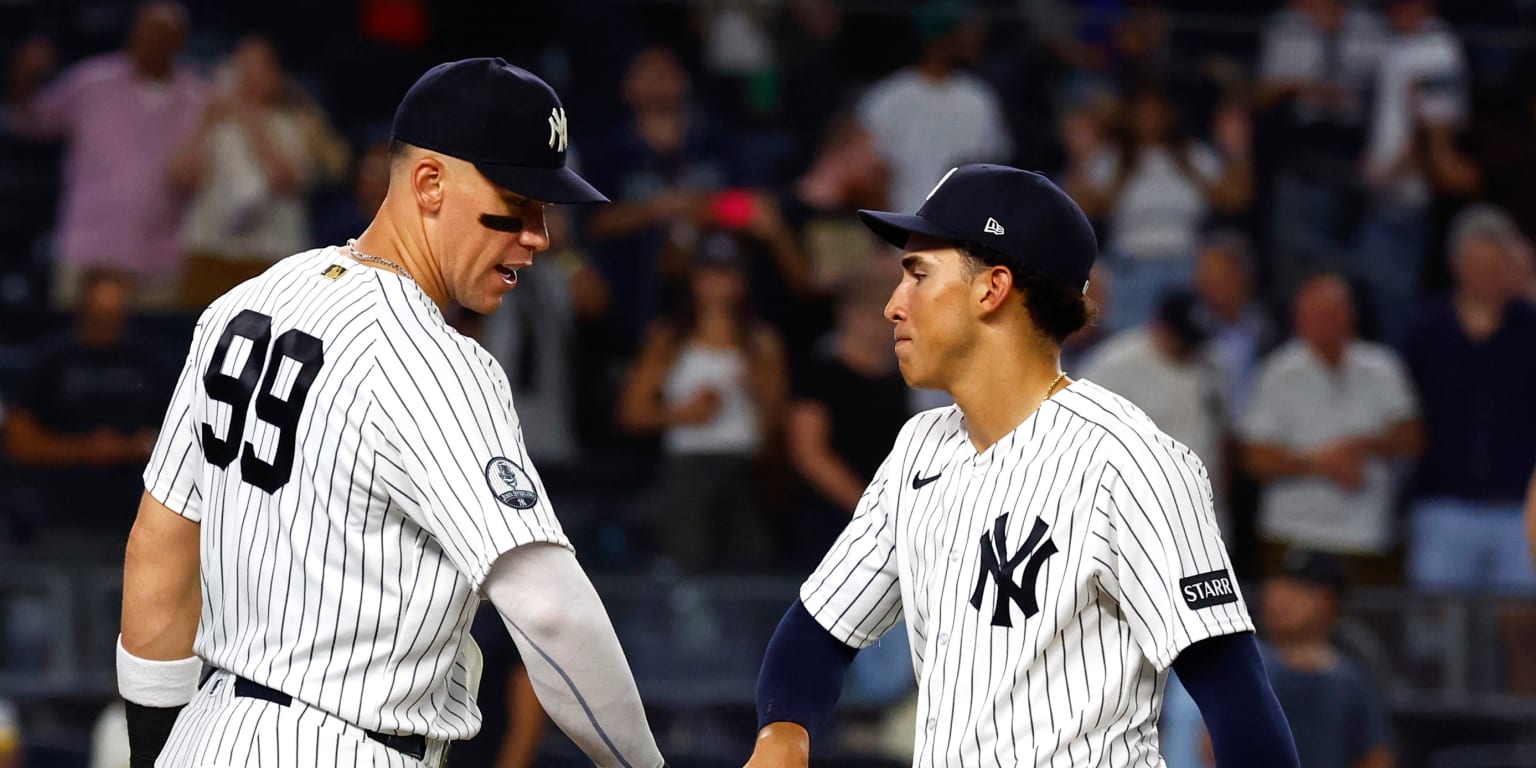
The Yankees constructed a historic lineup on September 11 and 12 against the Mets, one that had never existed in the organization's 60-year draft era: five first-round selections—Aaron Judge (2013, 32nd overall), Anthony Volpe (2019, 30th), Austin Wells (2020, 28th), Spencer Jones (2022, 25th), and George Lombard Jr. (2023, 26th)—all starting in the same game. The Elias Sports Bureau confirmed no Yankees team had done it before. Only the Minnesota Twins matched that homegrown concentration elsewhere in the majors this season.
What makes this moment notable isn't the achievement itself—it's the context. The Yankees own the second-best record in the American League despite losing significant time to injuries from veterans, particularly Judge. That they've maintained competitiveness while leaning on an unusually young lineup suggests their farm system has matured faster than typical, or that the pressure of the pennant race has forced their hand earlier than planned. The organization's shift toward performance science and mental skills coaching across all levels appears to have compressed the runway from prospect to regular contributor. Between Derek Jeter (1992) and Judge (2013), the Yankees cycled through 14 first-round position player selections and saw only two—Bronson Sardinha and Slade Heathcott—ever wear pinstripes, combining for 42 plate appearances total. That drought is the organizational context that makes the current cohort's arrival so stark.
The mechanism behind this turnover isn't mysterious. Winning ballclubs historically struggle in the draft because they pick late. The Yankees' 34 consecutive winning seasons meant their first-rounders landed in the 25-32 range—higher variance territory where upside is plentiful but bust rates spike. The organization responded not by tanking for lottery picks, but by overhauling the development infrastructure: hiring "high-end specialty coaches," embedding performance science into the system, and apparently raising the floor on player retention. Cashman and VP of scouting Damon Oppenheimer credit a deliberate shift in how they evaluate grit and adaptability—factors that matter more when a prospect knows he's joining a win-now environment.
For prop bettors, this carries a specific implication: Yankees lineup composition is now more volatile and younger than the market may be pricing. Judge, Giancarlo Stanton, and Anthony Volpe represent a 31-27-23 age distribution at three core offensive positions. When injuries or slumps hit (and they will), the bullpen and starting rotation carry proportionally more weight in team totals. The Yankees have built a second-best AL record on pitching while younger hitters developed; as the stretch drive intensifies, the clustering of youth in the lineup means fewer proven plate-discipline at-bats in high-leverage spots. Team totals on Yankees games over the final 11 days of the season should account for elevated substitution risk and pinch-hitting patterns that weren't as common earlier in the year. Unders on Yankees team totals in remaining games warrant closer inspection—not because the lineup is weak, but because it's now measurably less experienced in September baseball.