Clay Holmes' Rehab Performance Sparks Trade Market—Mets Face Aug. 3 Showdown
By Justin Erickson ·
Holmes threw 59 pitches across four shutout innings Tuesday, setting up a major-league return within days and triggering a bidding war before the deadline.
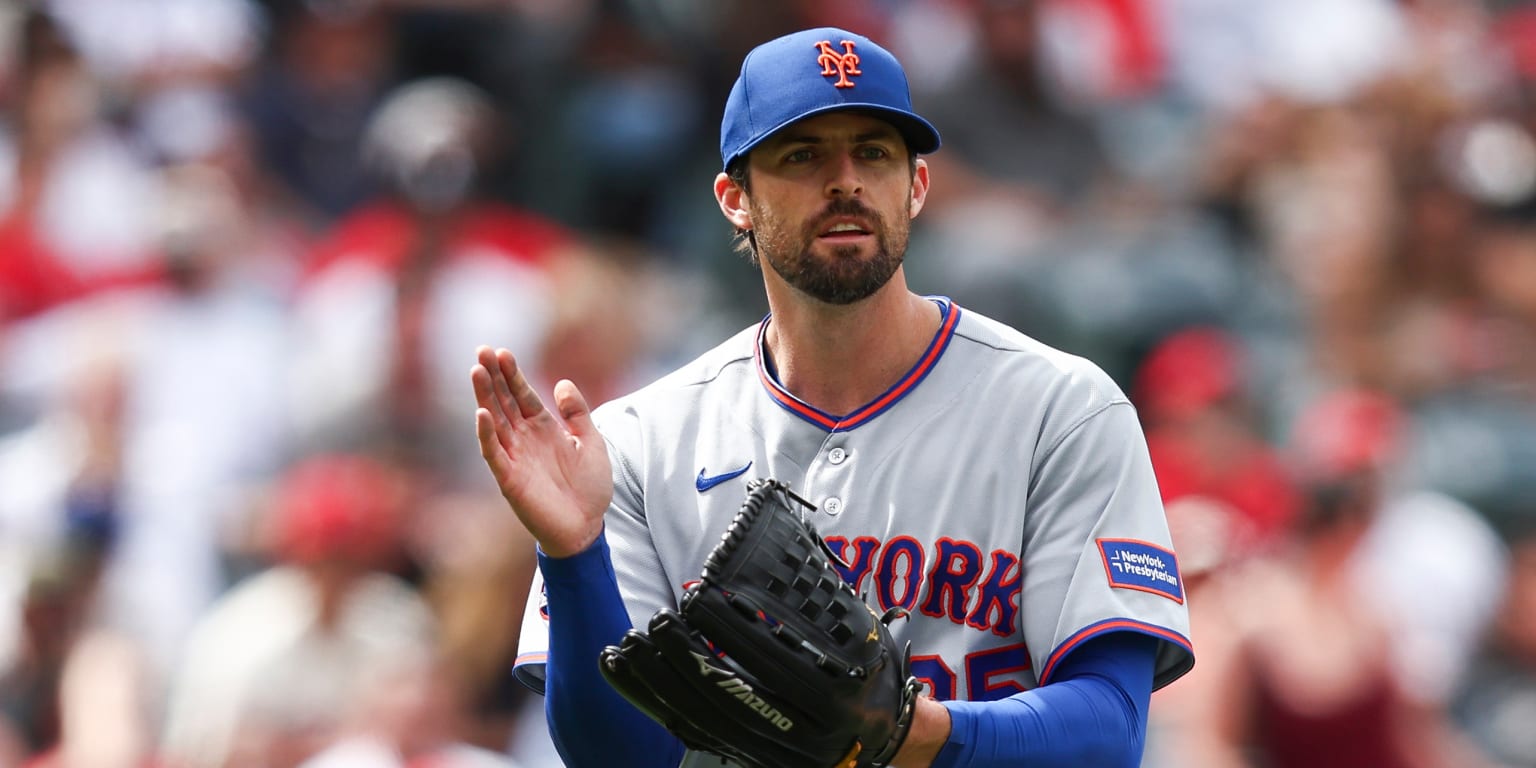
Clay Holmes looked like a pitcher ready for October baseball. In his second rehab assignment Tuesday evening for Single-A St. Lucie, the right-hander spun four shutout innings, struck out three, allowed two hits and two walks while hitting 94.1 mph on his sinker. With scouts from the White Sox, Rays, Rangers, and Diamondbacks watching from the stands, Holmes' 59-pitch outing served a dual purpose: proving his fractured right fibula—suffered in May—has healed sufficiently for big-league work, and showcasing his current stuff to a pack of contenders preparing for the Aug. 3 Trade Deadline.
The Mets' timing here is deliberate, not accidental. Holmes can opt out of the final year and $12 million on his contract to reach free agency after the season, making a trade a near-certainty rather than a contingency. New York's front office has signaled—through action rather than statement—that it views Holmes as an asset to move, not retain. His next scheduled rehab start lands Aug. 2, one day before the deadline. That timing forces a strategic decision: use that appearance as another showcase to drive up bidding, or hold Holmes back to avoid injury risk on a player about to change uniforms. Either way, contenders now have live film on his mechanics and velocity post-injury, which compresses the information gap that typically inflates uncertainty before deadline trades.
What matters for prop bettors: Holmes' return to the majors creates a usage question for whichever team acquires him. A closer or high-leverage reliever who hasn't pitched in game action since May faces a ramp-up period, even if his arm strength has returned. The team that trades for him will likely use him in moderate-leverage spots early—middle innings, tied games, low-leverage save situations—before escalating him back to ninth-inning work. That sequencing affects his strikeout prop lines and appearances in the second half, which are priced under the assumption that he'll slide into a normal closer role immediately. Buyers should be skeptical of that assumption.
Holmes' K-prop appeal depends entirely on deployment and situation. If he lands with a contender running him out in elevated spots—three-inning appearances to stabilize the bullpen, back-to-back days when the closer is rested—his strikeout total relative to his career rate could compress initially. The 94.1 mph sinker and command through four innings Tuesday suggests his stuff is intact, but Minor League rehab is a controlled environment. The first week or two of major-league usage will reflect the team's confidence in his durability, not Holmes' true ceiling. Early K-props on Holmes should be faded until the acquiring team reveals its deployment pattern through actual game usage.