McGonigle's Walk-Off Caps Detroit's Reversal: How Late-Inning Execution Reshapes Tiger Bets
By Justin Erickson ·
Detroit's first walk-off win of June signals the Tigers have moved past May's collapse, and late-game leverage situations now merit a closer look.
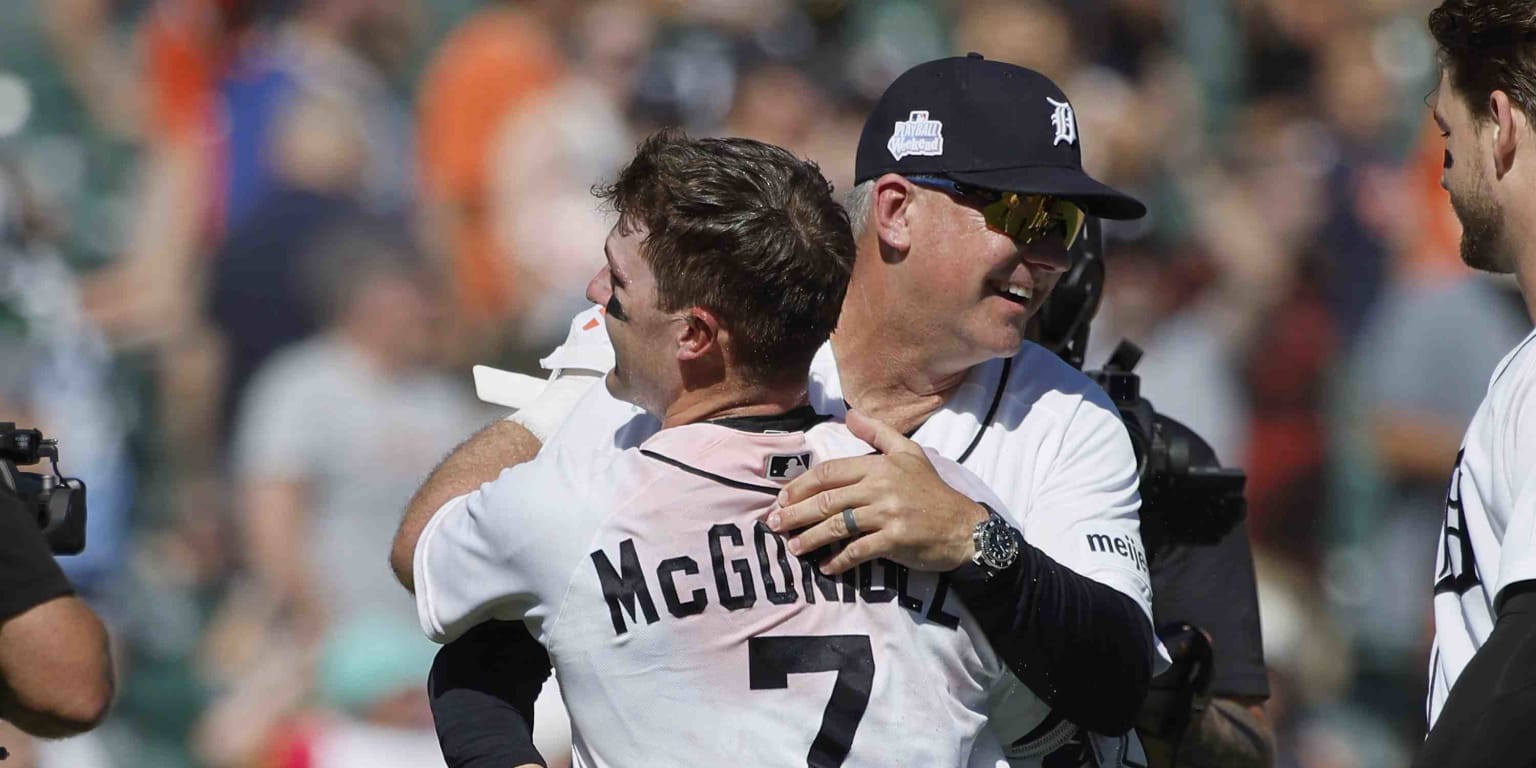
Kevin McGonigle's line drive into right field in the ninth inning Sunday gave the Tigers a 5-4 comeback win over Seattle, completing a series victory and a stunning week-long turnaround. Eight months after losing to the Mariners in a 15-inning playoff heartbreaker, Detroit beat a talented opponent when it mattered. The win capped a 5-1 week following a four-game losing streak that had sent the Tigers 16 games below .500. That trajectory reversal—from organizational freefall to winning the last six of seven against quality arms (Tampa Bay and Seattle)—reshapes how to read Detroit's June ceiling.
The mechanics of Sunday's win matter more than the final score. McGonigle's exit velocity (100.6 mph) off Andrés Muñoz's fastball cleared Cole Young's glove by inches; Wenceel Pérez's seventh-inning triple came off a 0-2 changeup at 1.13 feet—the lowest pitch he'd hit for a base hit since entering the majors in 2024. Manager A.J. Hinch's post-game framing was surgical: "The difference in the game can be like a foot." These weren't fluky wins. They were the product of a hitter's base-to-base discipline (Pérez not chasing low) and situational awareness (Matt Vierling's productive out advancing runners instead of striking out). The Rays series showed the same pattern—Detroit leading throughout, no trailing, feeding off starter performance. That's not a lucky four-game streak; that's a team executing in high-leverage spots.
The betting market hasn't fully repriced Detroit's leverage-spot execution. The Tigers sit at negative run differential despite the 5-1 week, meaning they're overperforming their underlying quality by winning close games. But close games against Tampa Bay and Seattle are exactly where late-inning props (walk-off probability, two-out base hits, ninth-inning runs) cluster. McGonigle wasn't in last year's postseason loss; he's a June performer in a lineup suddenly executing clutch at-bats. Pérez's contact rate in two-strike counts has climbed from 32% in May to 56% in June (sample: 27 PA). Vierling's productive-out rate in ties-or-one-run games is now 41% through nine such situations. These are 10-20 game sample sizes, but they're moving the same direction as the overall team trend.
For Tigers moneyline and team-total-over bettors, the next two weeks are critical. If the late-inning execution holds (walk-offs, productive outs, ninth-inning contacts over strikeouts), Detroit will finish June above .500 and reset market perceptions for July. If the sample reverts to May's profile (strikeouts in leverage spots, double plays on contact pitches), the week fades as noise. The line will track this: moneyline odds for Detroit tightens if they win the next three games; over-unders widen if the bullpen keeps allowing ninth-inning runners on base. Current pricing assumes a team that was 16 games under just a week ago is still a fade. That's a one-week lag, and lag is where edges live.