Arraez's All-Star Case Rests on Two Strengths the Market Undervalues
By Justin Erickson ·
The Giants' contact hitter has built a defensive reputation that rewires how you should price his offensive consistency through July.
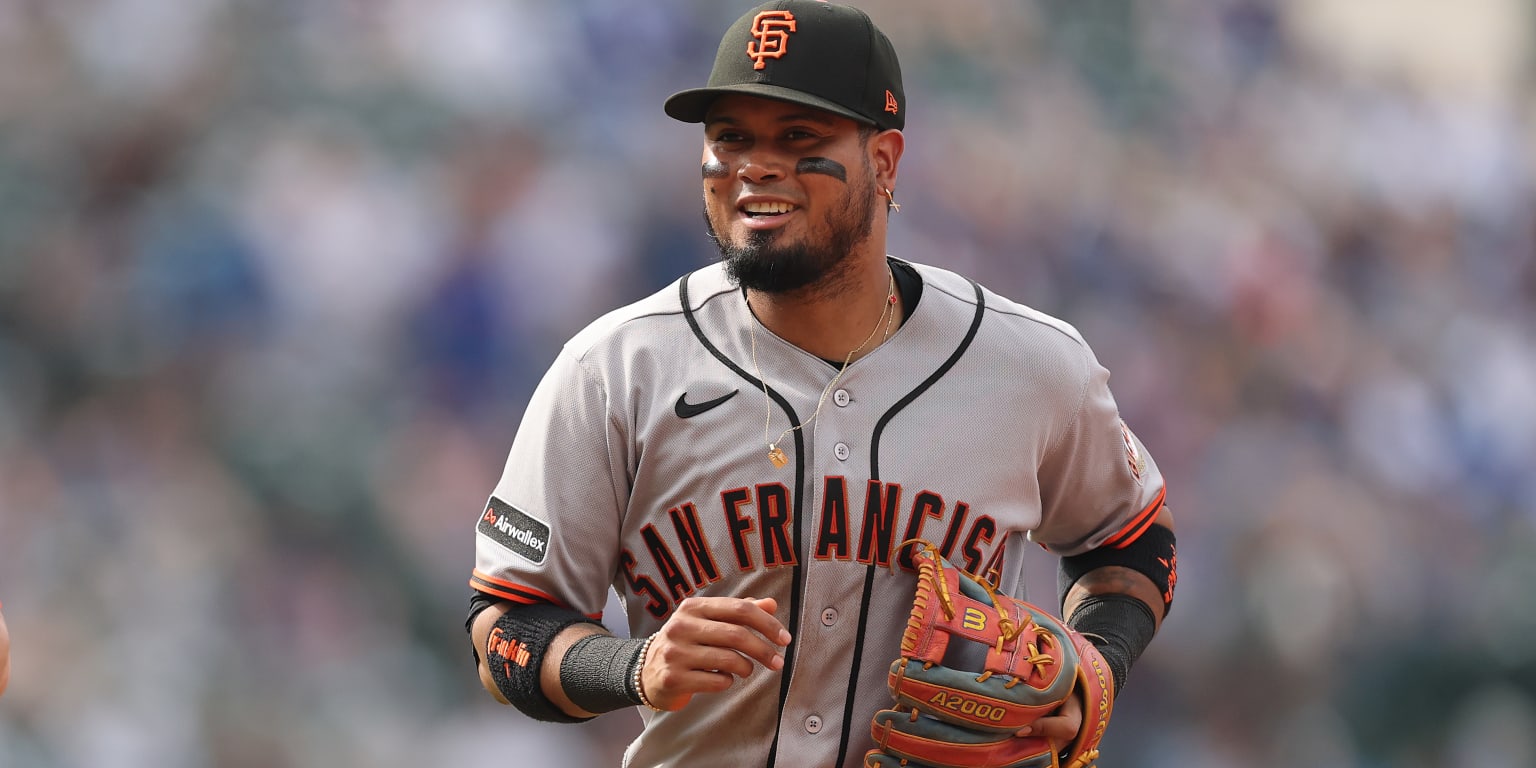
Luis Arraez entered Monday ranked fifth in the National League at second base in All-Star voting, sitting at .320/.357/.444 with a .801 OPS—a profile that looks deceptively ordinary until you isolate what's actually happening at the plate and in the field. The Giants signed him to a one-year, $12 million deal in February after he'd spent 2024 and most of 2025 away from regular second base duty. That transaction was not a gamble on name recognition; it was a specific bet that his skill set would translate to a premium defensive position. Through 72 games, that thesis has held.
Arrayez's offensive identity hinges on a principle that runs counter to modern hitting philosophy. He doesn't chase free passes; he manufactures contact and extends at-bats by spraying the baseball to all fields. That discipline—the willingness to value line drives and consistent base hits over home runs—has kept him in the top five in MLB batting average. But the defensive gains are what separate the All-Star case from a simple stat line. He entered Monday ranked fifth in the majors in Outs Above Average (10, second among all second basemen) and had prevented eight runs defensively. His 41 double plays this season reflect not luck but repeated execution: the ability to turn pivots with speed, keep his feet moving, and operate with precision on routine plays. Manager Tony Vitello and middle infield coach Ron Washington both emphasized the same mechanical truth—Arraez's consistency comes from footwork fundamentals that most players overlook.
The All-Star Game's two-phase fan voting structure means public perception still carries weight, but Arraez's case has already moved internally. Teams evaluating contact rates, defensive value, and situational durability have him priced as a legitimate two-way contributor, not a one-dimensional bat. For bettors tracking Giants offensive totals and Arraez's individual batting lines through the remainder of the season, this distinction matters. He is unlikely to rack up home runs (he has 5 through June 22); his value accrues through hits, walks, and runs scored. His .357 on-base percentage and consistent run-production from the two-hole in the Giants' lineup make him a reliable floor on team offensive projections. Fading unders on San Francisco team totals when Arraez is in the lineup and in rhythm—particularly in second halves of back-to-backs or games against opponents with poor defensive metrics—captures a market inefficiency rooted in underweighting his consistency relative to power hitters who generate more betting action.
Arrayez's path to a fourth All-Star appearance hinges on fan voting through early July, but his on-field impact is already locked in. That consistency translates directly to prop pricing: his hit total, RBI floor, and runs-scored line should trade at modest premiums given that his strikeout rate sits in the bottom fifth of MLB (he avoids the whiffs that crater scoring chances). The Giants' coaching staff has validated the defensive investment, which signals confidence in his durability and role stability. Over the next three weeks, before the All-Star break on July 14, expect his individual totals to remain available at slight value, particularly in hit props and team total overs where contact-heavy lineups are often discounted in favor of slugging metrics.