Grisham's Return Resets Yankees Defensive Depth; McMahon Activation Looms
By Justin Erickson ·
Two mid-tier position players slot back into the Yankees' lineup this week, resolving a two-week roster shuffle and clarifying where the offense's real gaps live.
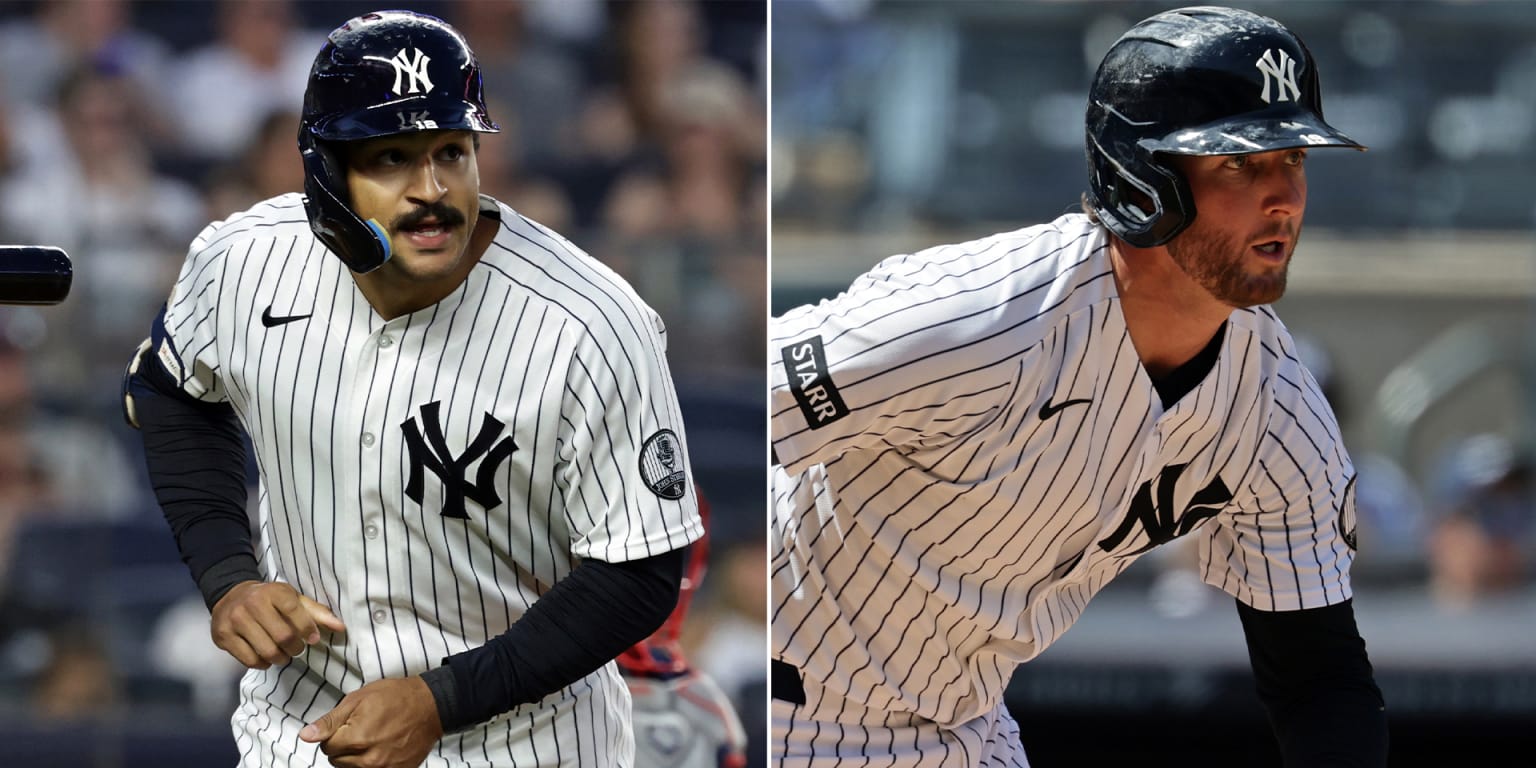
Trent Grisham is expected to come off the injured list during the Yankees' homestand beginning Monday, June 30, after spending 17 days sidelined by a right hamstring strain suffered on June 13. Manager Aaron Boone said the team will run Grisham through at least one Minor League rehab appearance before activation, and the outfielder has already been taking batting practice and running bases at Fenway Park. Third baseman Ryan McMahon, who departed the roster due to a peritonsillar abscess, is similarly tracking toward activation on Friday, July 5—the moment his 10-day IL window expires. Both moves close a stretch where the Yankees have been forced to improvise.
The operational impact is cleaner than the statistical one. With Grisham absent, the Yankees rotated Cody Bellinger, José Caballero, Spencer Jones, and Max Schuemann through center field, a sign of organizational depth but also of misuse. Bellinger is a left fielder; his shifting to center was a triage move. Once Grisham returns, Bellinger slides back to his natural position, and the Yankees reclaim positional architecture they've been missing. Boone himself acknowledged the value proposition: "When [Grisham is] there, then Belli is where he needs to be." It's not a referendum on Grisham's hitting—he's slashing .232/.341/.406 in 66 games with eight home runs—but rather a statement about lineup coherence. The Yankees have been searching for offensive production; adding Grisham won't solve that, but removing the need to misalign Bellinger opens runway for more consistent output elsewhere.
McMahon presents a different puzzle. His .210/.269/.360 line across 69 games is well below replacement value at the position. The peritonsillar abscess was a medical event, not a form issue, so his return doesn't carry the same narrative weight as Grisham's. Yet the timing matters: if McMahon can avoid further complications and move into a regular cadence at the plate, the Yankees' infield becomes less of a liability. His absence has forced New York to lean more heavily on whatever third-base depth the system offers—a resource they've been rationing.
For betting purposes, neither reinstatement is a grand narrative shifter. Grisham's return cleans up the outfield alignment but doesn't materially improve the team's run-creation profile; his peripheral metrics suggest he's a league-average defender who doesn't generate enough offensive value to move the needle on team totals. McMahon, meanwhile, comes back into a slot where the Yankees have already demonstrated they can field alternatives. The prop-betting edge, if one exists, is in fade territory: bettors tempted to lean overs on Yankees run totals on the strength of "getting healthy" should recognize that Grisham and McMahon's combined expected contribution—based on their season slash lines and roles—is modest enough that it doesn't reframe offensive ceiling in any significant way. The team's run total should reflect the quality of their top-tier lineup (Judge, Soto, Volpe) and pitching matchup, not the fact that two role players are returning from injury. Market may price in a small "health momentum" bump; that's the fade.