Gore's Short-Rest Heroics Reset Rangers Narrative Before the All-Star Break
By Justin Erickson ·
MacKenzie Gore's four-inning, one-run performance on short rest salvages Texas's first-half finale and signals a bullpen reprieve heading into the break—with significant implications for workload-dependent prop markets.
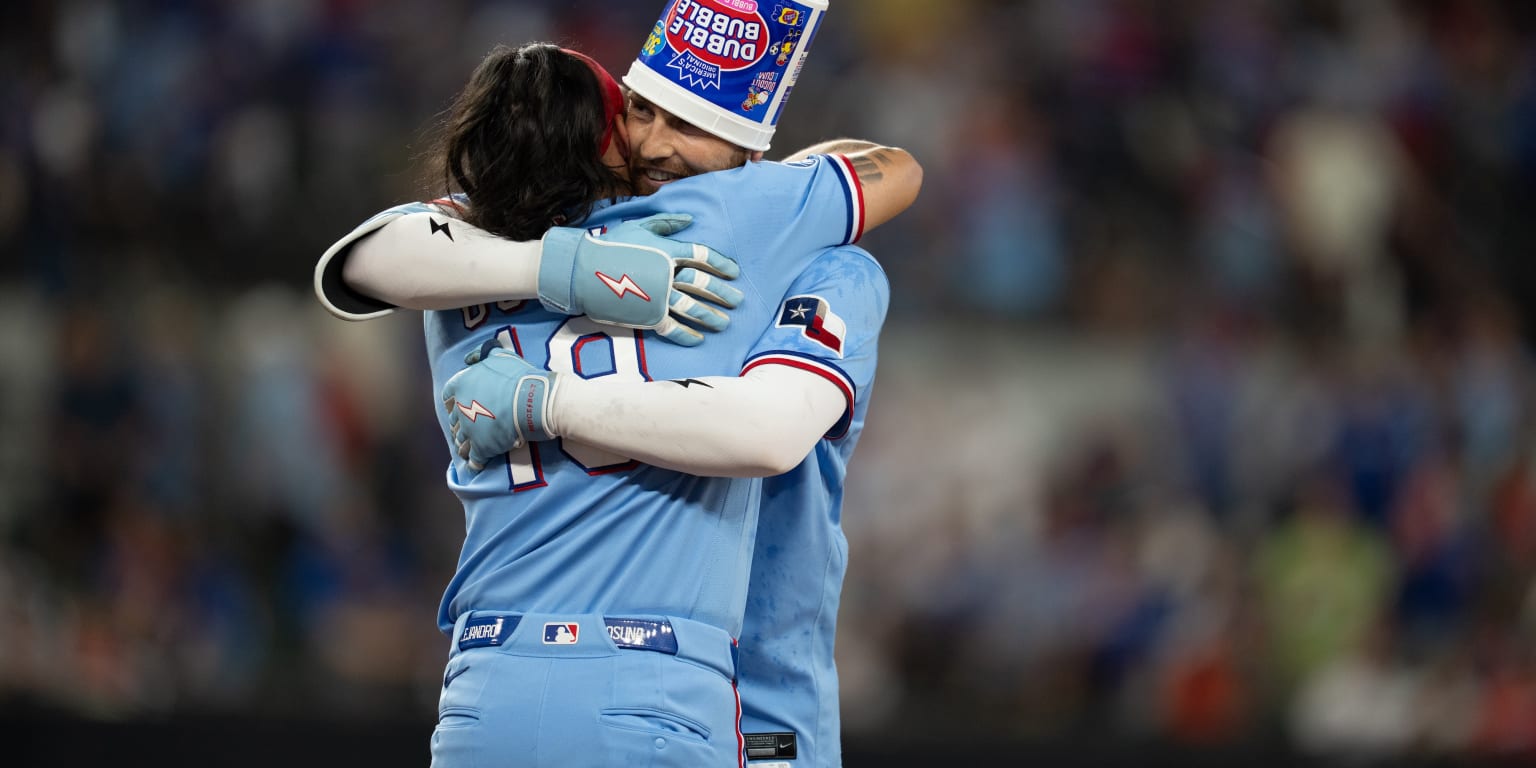
MacKenzie Gore took the ball on short rest Sunday and delivered exactly what the Rangers needed: four innings, one run, enough innings to keep a battered bullpen off the field in a must-win series finale against Houston. The setup was straightforward. Jacob deGrom's mild left glute strain forced the Rangers to shuffle their final first-half rotation start, leaving them either a bullpen game or a short-rest volunteer. Gore, already having thrown 84 pitches four days prior in a rough outing against the same opponent, raised his hand. Skip Schumaker consulted the medical staff, got clearance, and Gore delivered a 6-5 walk-off win with Brandon Nimmo's single in the ninth.
This is Gore's third instance this season of stepping in on emergency notice—he offered on Opening Day against Philadelphia (declined by Schumaker), then took a quality start against San Diego two weeks prior when Nathan Eovaldi couldn't go. The pattern reveals something about Gore's usage and the Rangers' confidence in his durability. He's not a fragile talent needing protection; he's a competitor the organization will lean on when the rotation fractures. That competitive profile matters for forecasting his involvement in high-leverage September situations and postseason depth.
The immediate betting angle sits with the Rangers' bullpen load heading into the second half. Texas entered Sunday with their relief corps overextended—Schumaker explicitly noted the group was already strained. Gore's 4.0 innings on short rest prevented another bullpen meltdown and bought deGrom an extra day to recover from the glute issue. When a team's high-leverage relievers get a reprieve before a week off (the All-Star break), their underlying value tightens. If the Rangers' closer and primary setup men pitch light loads in the second half's early games, they'll be fresher, with higher strikeout rates and lower walk rates than their season baseline—a mechanical edge that props won't immediately price.
For deGrom specifically, the glute strain is minor and the delay is tactical, not medical. He should be available for Texas's first game back post-break with an extra 10 days of recovery. That timeline means deGrom props (strikeouts, innings, quality start) won't face the injury discount bettors often apply to players coming off strain-related delays. The market will treat this as administrative scheduling, not a health concern—and they're likely right, given deGrom's historical durability against soft-tissue injuries. However, if you see deGrom's strikeout total dip 0.5-1.0 K due to recency bias around the strain, that's a contrarian lean into his likely-fresh state post-break.
Gore's short-rest willingness also reframes how to model Rangers rotation availability in July and August. He's shown he's available on 3-4 days' rest in a pinch. That flexibility matters for team total unders late in tight series—a team that can patch a starter on emergency notice is less likely to lean hard on the bullpen, compressing runs allowed. The Rangers closed Sunday's series with Houston 1-1, splitting a critical head-to-head with a division rival. Gore made sure they didn't limp into the break on the back of bullpen fatigue. That's a small edge, but edges in bullpen-dependent markets compound over a full second half.