MLB
Gore's Spasm Battle Exposes Rangers' Pitching Fragility Down the Stretch
MacKenzie Gore gutted out five innings against the Mets despite ongoing muscle issues, but Texas's defensive lapses and bullpen vulnerability cost them in a 6-3 loss that could reshape the AL West.
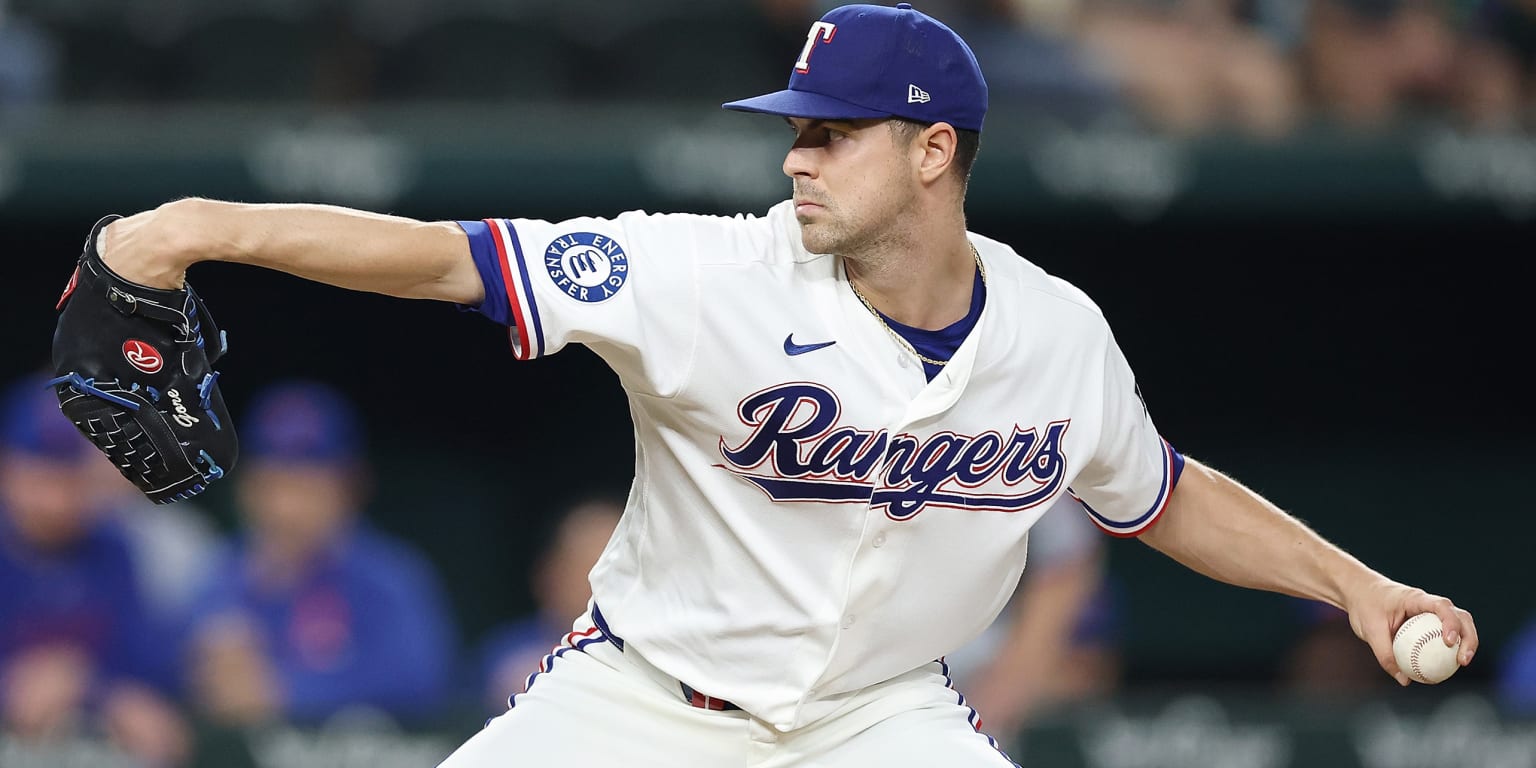
The Rangers lost to the Mets 6-3 on Tuesday at Globe Life Field, surrendering their short-lived solo grip atop the AL West after Houston owns the tiebreaker. Texas had climbed into first place just three days earlier, gaining four games on the Astros since September 12, but the loss marks the Rangers' second straight defeat in what should have been a moment to establish separation down the stretch. The damage came not from a single failure but a cascade: defensive miscues compounded a compromised starting pitcher, and when relief couldn't contain the bleeding, the Mets had already seized control.
Gore's availability is now the central question. The left-hander has battled muscle spasms since his previous start against Boston, when he lasted just four innings. On Tuesday, he pushed to five frames, but his velocity sat noticeably depressed across the board—the kind of mechanical surrender that opposing hitters can read immediately. A four-pitch walk to Francisco Lindor in the second inning triggered a mound visit from manager Bruce Bochy, pitching coach Jordan Tiegs, and trainer Matt Lucero, a sign that the medical staff was active-monitoring rather than confident. Gore stayed in the game and yielded two runs (one earned) before yielding to Nathan Eovaldi, who himself couldn't navigate a messy sixth: three runs scored on another series of defensive breakdowns, and the Mets never trailed again.
The Rangers have won 51 days with at least a share of first place this season, but that margin offers no cushion when both the starter and the bullpen are operating under constraint. Eovaldi's role has become reactive damage control rather than high-leverage cleanup. If Gore requires another turn in the rotation before he's fully cleared of the spasm issue, the Rangers face a gap in their depth that the Astros are built to exploit. Houston's rotation—however pedestrian on paper—has remained healthy and available. Texas's injury- and fatigue-managed approach is now visible to bettors as a vulnerability, not a careful stewardship.
For prop bettors, this shifts the betting architecture for Rangers games over the next 7-10 days. Gore's K prop should see reduced volume targets (likely 4.5 to 5.5 strikeouts per outing instead of his season 6.2 average) because his velocity loss and limited-innings deployment will dampen strikeout rates. More urgently, Rangers team totals should lean toward the under when Gore starts—his five innings on Tuesday forced the bullpen to absorb 4+ innings of work, and Eovaldi's vulnerability to early-inning damage (visible in the sixth-inning collapse) means the Rangers cannot rely on late-game offensive recovery. A compromised starter + overworked bullpen = a ceiling on run production that the market may not yet have fully repriced. The Mets game confirmed the pattern; the next Gore outing will test whether sharps are already positioning accordingly.