MLB · injury
Crochet's Bullpen Gambit: How a Shoulder Injury Rewrites His Contract Math
The White Sox ace's capsule sprain has already triggered an opt-out negation clause—and a late-season relief return could reshape both his workload profile and team payroll for 2027.
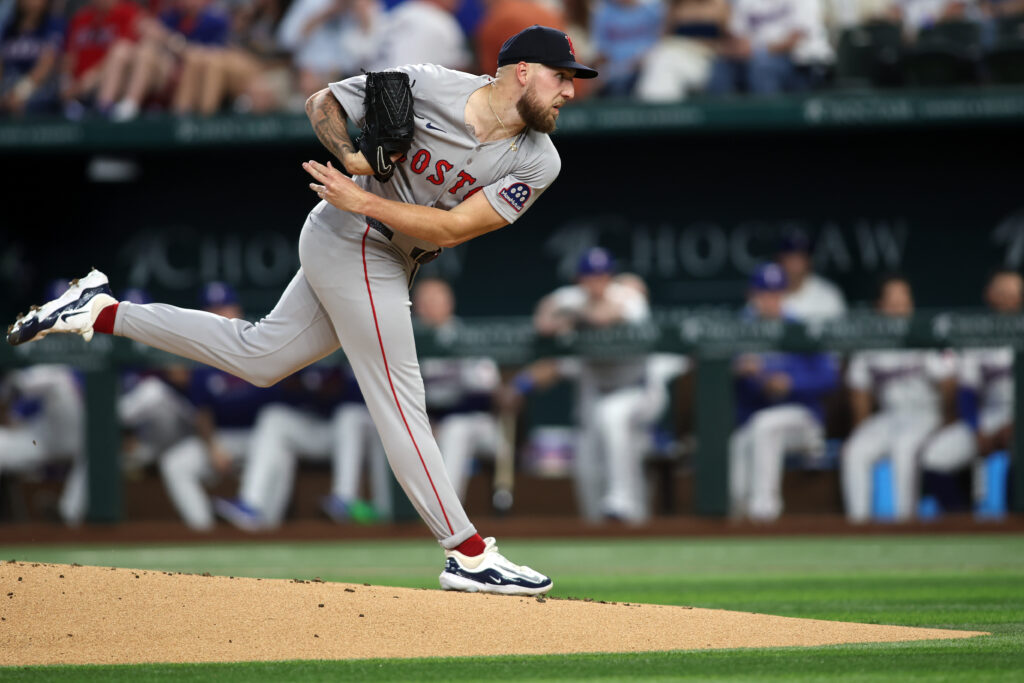
Garrett Crochet hasn't pitched since April 26, when a shoulder capsule sprain sidelined the 2025 AL Cy Young runner-up. The White Sox are banking on a bullpen return before the season ends, and Crochet has signaled his willingness to take that role if his rehab clears him—a stark pivot from the 180-inning starter who carried a $170 million guaranteed contract. But the real story isn't the injury itself; it's the contractual trigger it's already pulled.
The terms of Crochet's deal include an opt-out clause that would reset his control over the final two years of his agreement. That leverage matters enormously in a free-agent market. However, missing significant time to injury has already negated that option. Per Chris Cotillo of MassLive, Crochet understands the situation and is focused on making any contribution he can in 2026, even if it means working out of the bullpen in high-leverage spots rather than returning to a starter's workload.
This pivot carries real implications for how the White Sox structure their pitching depth the rest of the way. A Crochet bullpen deployment is not a marginal addition—he's a legitimate strikeout threat even in short bursts, and his presence in late innings could meaningfully shift their run-prevention calculus in close games. If he's healthy enough to pitch, expect elevated leverage usage rather than gradual ramping in lower-risk spots.
For prop bettors, the return itself creates a two-layer angle. First: strikeout totals for Crochet appearances will be volatile until the market settles on his usage frequency and innings per outing. The books will likely undershoot his K prop in his first week back because they're pricing for uncertainty in both availability and role. Second, White Sox team totals and totals in games where Crochet enters could see modest compression if the market hadn't already priced in his continued absence. Once he clears waivers and appears on a box score, expect modest downward adjustment on totals in subsequent games—not because the offense is weaker, but because pitching depth just visibly improved.
The injury-triggered opt-out negation is a contract fact, not a performance question. What matters for bettors: Crochet's return window is narrow and his role will be constraints-driven rather than performance-driven. That creates inefficiency in single-game K props early in his usage window, when the market is still learning his true availability.
MLB Intelligence — Baseball intelligence beyond the box score. Open MLB Intelligence →