The Deadline Month: How Trade Chatter Reshapes Pitcher Props and Team Totals
By Justin Erickson ·
With 32 days until MLB's trade deadline, uncertainty around ace availability is already pricing volatility into pitching lines—and smart bettors should exploit the lag between roster chatter and actual line movement.
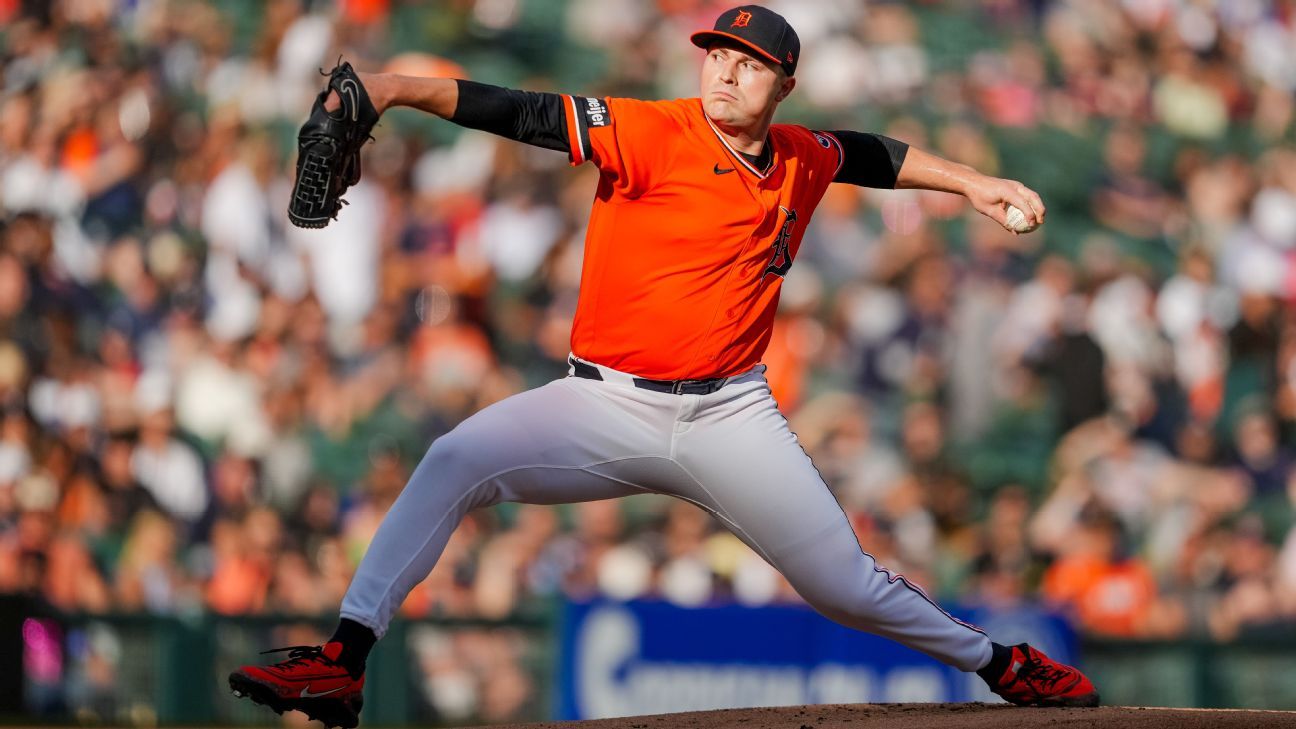
The MLB trade deadline sits exactly one month away on August 3rd, and the market for premium rotation talent is already heating up. Detroit's Tarik Skubal—statistically one of baseball's most dominant starting pitchers—is the prototype trade chip teams are circling. Milwaukee, Los Angeles, and Boston all rank in the top three for rotation ERA and have the prospect capital to make a serious move. But the real betting angle isn't whether a deal happens; it's how the expectation of a deal warps the prop landscape before any trade actually occurs.
Skubal's case is instructive. He owns a sub-3.00 ERA and sits among the league's K-per-nine leaders, metrics that should lock him into premium strikeout props. Yet any team acquiring him mid-season faces roster constraints—they inherit salary, burn prospects, and must integrate him into an unfamiliar bullpen calendar. The Brewers, despite their rotation depth, would need to justify both the prospect cost and the salary hit to owner Mark Attanasio. That friction—real organizational hesitation masquerading as "will they or won't they"—creates a window where Skubal's individual pitcher props may be temporarily overpriced as bookmakers price in a discount for potential mid-season departure.
Similarly, the teams most likely to become sellers—the Mets, Red Sox, Twins, and Tigers—create secondary ripple effects. If Detroit deals Skubal, their rotation ERA climbs, which pulls down team total overs for the remainder of the season. If Boston or Minnesota unload mid-tier starters to retool, their bullpen workload spikes and their offense-dependent game scripts shift. These aren't binary trade-happened events; they're probability-weighted scenarios that books are already baking into season-long projections but haven't yet reflected in weekly matchup lines.
The 32-day window until August 3rd is a sweet spot for deadline-sensitive props: teams making playoff pushes haven't yet made their acquisition decisions public, so their current lineups are known quantities while their post-trade compositions are cloudy. Backing Skubal strikeout overs right now assumes he stays in Detroit; if you suspect Milwaukee or LA will move by late July, you're buying a prop that carries hidden end-date risk. Conversely, Red Sox and Twins team totals may carry artificial suppression because the market isn't yet sure whether they'll stay intact or go fire-sale. Wait for seller-team clarity before committing to their season-long bets.
The sharpest move is counterintuitive: target pitchers on contending teams that won't be traded. Jacob Misiorowski (Brewers), Yoshinobu Yamamoto (Dodgers), Justin Wrobleski (Dodgers) are anchors—high-volume, deadline-safe strikeout sources. Their K props won't collapse due to mid-season departure, and they'll face increasingly weakened lineups as sellers unload. That structural advantage—a known pitcher against a fragmenting opponent roster—compounds over the next four weeks and survives the actual deadline pass.