Freeman's 2,500-Hit Milestone Signals Durability Heading Into Late-Career Peak
By Justin Erickson ·
At 36 with Hall of Fame credentials already locked, Freeman's pace toward 3,000 hits and 400 home runs extends the Dodgers' offensive ceiling deeper into the season than most contenders can sustain.
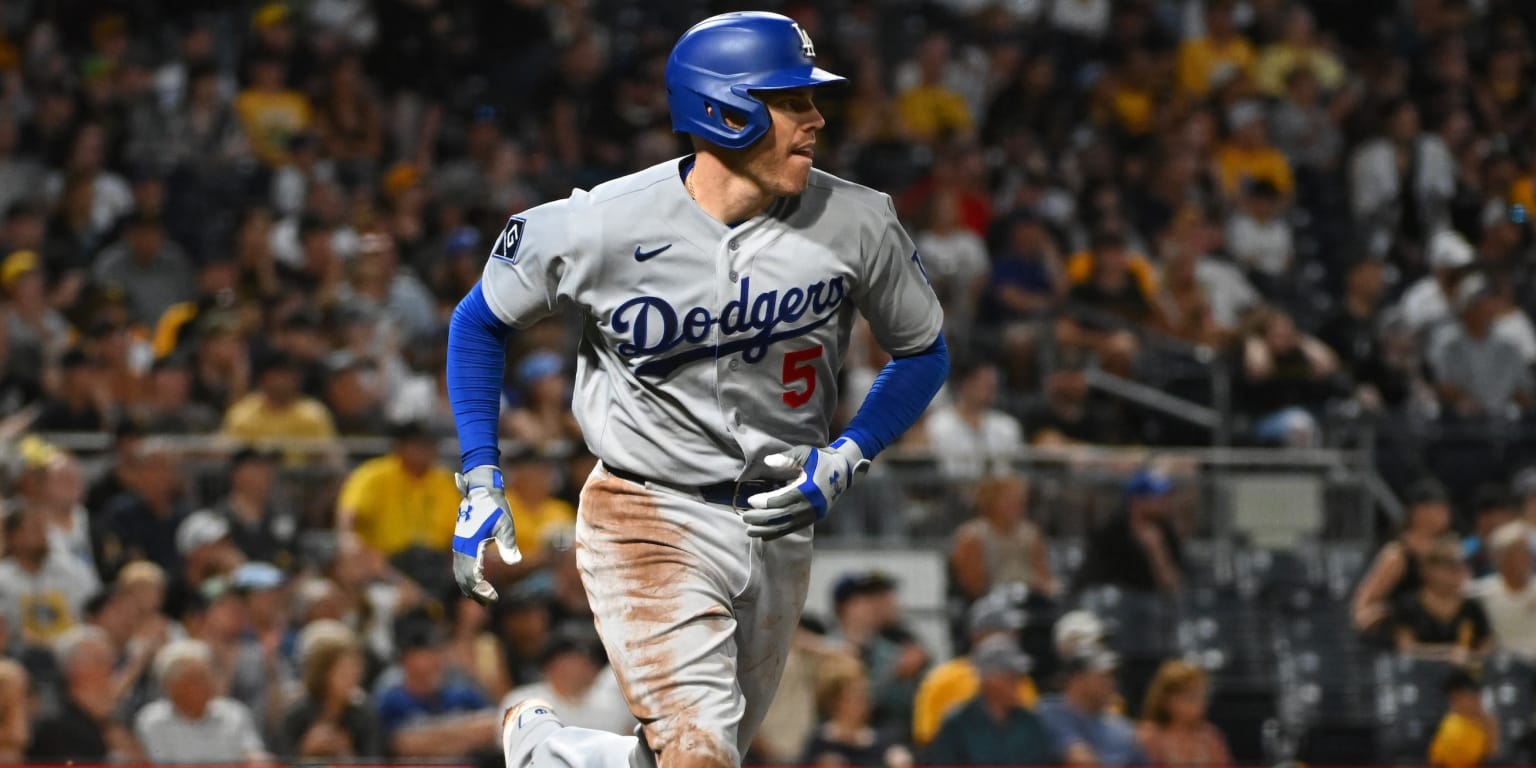
Freddie Freeman became baseball's only active player with 2,500 career hits on Tuesday night at PNC Park, collecting an RBI single in the seventh inning to reach the milestone in his 17th season. The mark itself is a Hall of Fame calling card—he's now the 34th player to reach it—but what matters more to the Dodgers' title odds is what the performance reveals about his trajectory in 2026.
Freeman entered the week needing two hits. He's currently running a 69-hit pace through early June, which projects to 160-plus hits across a full season. That production rate, combined with his 46.4% hard-hit rate (75th percentile) and 83rd-percentile xwOBA, paints a picture of a hitter operating at peak efficiency rather than coasting through a sunset season. The 2020 NL MVP is not merely playing out the string. He's accumulating on a trajectory that puts 3,000 career hits within reach this season or next, while his 377 home runs leave him within striking distance of the 400-mark milestone—achievable in the next two seasons if he maintains this clip. Freeman told The Athletic he intends to play three more seasons beyond 2026, though the April birth of his first daughter may factor into that calculus.
The betting implication is straightforward: Freeman's durability at 36, combined with his sustained hard-contact and barrel rates, suggests the Dodgers' lineup will retain an elite performer longer than typical age-curve expectations would predict. Most first basemen see measurable offensive decline by 36; Freeman is defying that pattern. His hit total of 69 through early June indicates he's on pace not just to exceed 140 hits (a floor for a .300+ average) but to push toward 160, which would rank among his career highs. That consistency matters for Dodgers team totals and run-production props, where Freeman's presence in the lineup typically adds 0.3–0.5 runs per game relative to league-average first-base production.
Jose Altuve sits second all-time among active hitters with 2,430 hits and could join Freeman before the season ends, but Altuve is a DH-heavy player who accumulates in shorter at-bat windows. Freeman's position on defense and daily lineup presence give him a structural advantage in staying healthy and productive. The key prop angle here is not Freeman's individual hit line—that's already efficiently priced—but rather the downstream effect on Dodgers team totals. When a 36-year-old hitting machine stays locked at the 46th hard-hit percentile, the entire lineup's run environment improves. His plate discipline remains sharp, his exit velocities remain elite, and his position in the middle of the order means he's getting fastballs to hit, not junk. Markets may have already baked in Freeman's usual seasonal output, but the durability signal—that he's trending toward the higher end of his range, not the lower—is worth threading into longer-term Dodgers offensive projections.