Camden Winds and Shallow Pitching: Why Alonso's Home Run Window Tightens Fast
By Justin Erickson ·
Pete Alonso carries a four-game drought into a ballpark where the weather favors fly balls, but the matchup math is thinner than the odds suggest.
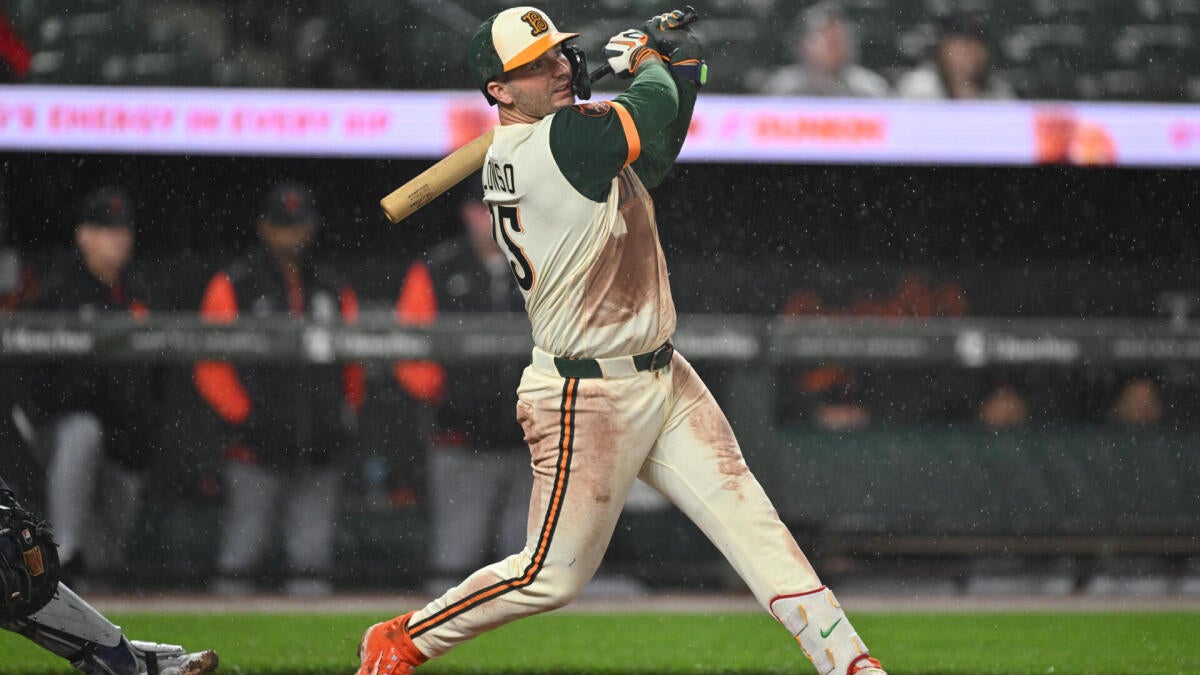
Pete Alonso has powered 10 home runs through May for Baltimore despite a slower-than-expected adjustment to his new franchise. The power is there; the consistency isn't. He enters Wednesday's matchup against the Orioles' opponent on a four-game homerless stretch—a minor drought that has already triggered the predictable "due" narrative in prop markets. The setup looks appealing on its surface: Camden Yards with outbound wind conditions, a left-handed opponent in Steven Matz, and plus-330 odds that suggest real upside.
But the matchup detail requires scrutiny. Alonso's career record against Matz spans just eight plate appearances—a sample so shallow it barely qualifies as data. One home run in eight at-bats translates to a 12.5% HR rate, which would pace to 65+ homers over a full season. That's noise, not a pattern. Wind conditions matter less than book-runners pretend; even with favorable aeration, Alonso's expected slugging percentage and barrel rate determine whether he generates legitimate power opportunities. One mercurial four-game gap doesn't reset his underlying batted-ball profile.
The Colorado angle presents different risk geometry. Andy Pages just connected against a Rockies team that has surrendered 74 home runs—a historic pace that inflates the appeal of any Dodgers hitter in the matchup. Pages is indeed enjoying a genuine breakout season for Los Angeles, but taking plus-420 odds on the back of "the Rockies are terrible" reasoning is exactly how bettors blur the line between team weakness and individual skill. Pages' strikeout rate and contact profile have legitimately improved relative to his minor-league trajectory, but betting him to repeat a home run in consecutive games against the same opponent is chasing narrative momentum rather than isolating edge.
The real volatility here lies in what the market has already priced. Both Alonso and Pages carry odds that reflect recency and venue conditions, not sustainable hit rates. Alonso's four-game drought is statistically meaningless over a 162-game season; the wind at Camden Yards is a temporary variable that sportsbooks already factor into their opening numbers. Pages' performance against Colorado's historically weak pitching is specific to that matchup and won't generalize to other opponents.
For bettors, the critical question isn't whether these players can hit homers—they obviously can—but whether the odds compensate for the true hit probability. The market has already baked in the drought narrative and the ballpark advantages. Home run props hinge on barrel rate, velocity off the bat, and launch angle consistency, not on drought cycles or wind direction. Unless you have conviction that Alonso's or Pages' underlying power metrics have shifted, the minus-money side of these bets carries better risk-adjusted value.