Two AL Power Hitters Face Vulnerable Pitching on May 17: The Case for Kurtz and Rodriguez Home Run Props
By Justin Erickson ·
Nick Kurtz and Julio Rodriguez square off against pitchers showing elevated long-ball vulnerability, creating a rare alignment of form and matchup opportunity.
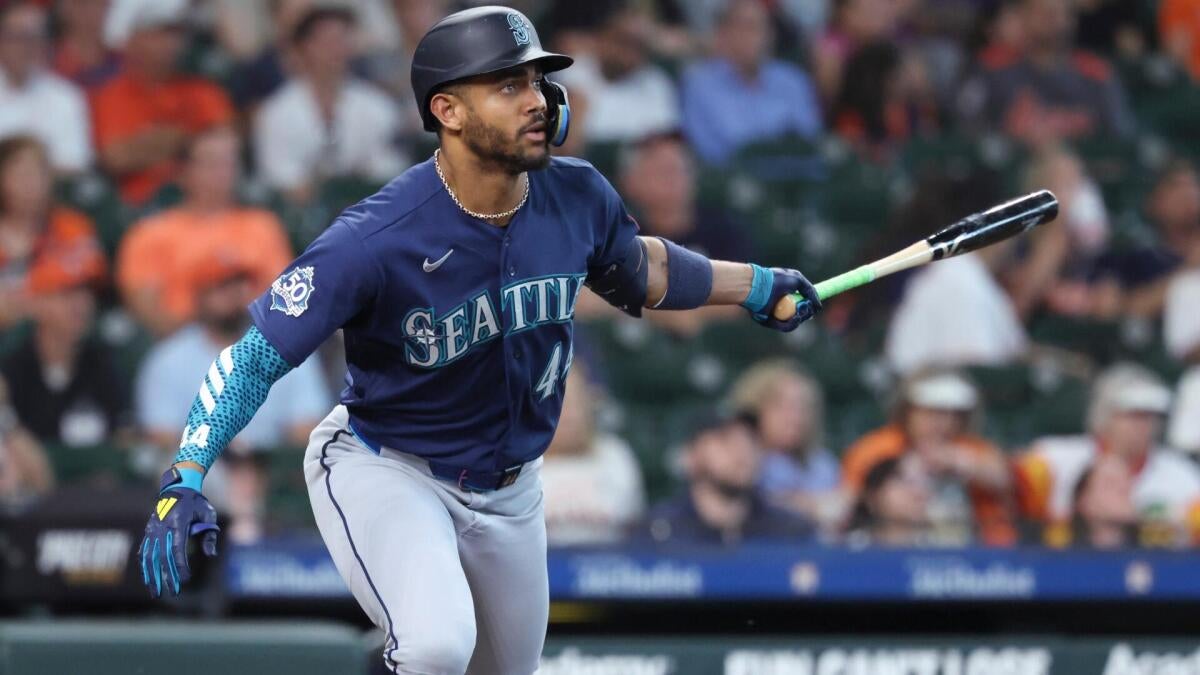
Sunday's 15-game slate features two American League hitters operating in hot streaks against pitching opponents historically prone to the home run ball. Nick Kurtz, the Athletics' young corner infielder, has climbed into elite early May form—.400 over his last seven days, .370 over the past two weeks—and has cleared the fence in three of his last six games. Julio Rodriguez, the Mariners' headline power threat, has accounted for five home runs in May alone and remains one of baseball's most dangerous fastball-zone hitters.
The mechanical edge here traces directly to opponent quality. Kurtz faces Giants right-hander Adrian Houser, whose 5.79 ERA and eight home runs surrendered across eight appearances signal a pitcher struggling to miss bats in the zone. More critically, seven of Kurtz's eight home runs this season have come against right-handed pitching—his pull-side strength aligns with Houser's inability to neutralize that tendency. Kurtz's .290 average against righties understates his power production; the contact quality has driven those deep fly balls. Rodriguez confronts an even more exploitable scenario: Grayson Rodriguez, making his first Angels start after significant time away from competition, allowed 31 home runs across 43 starts during his two seasons with Baltimore. That's a 6.5 HR/9 rate, well above league average for a starter. First-start rust typically manifests as elevated fastball counts and missed location targets—the exact conditions that Rodriguez, a right-handed hitter with elite opposite-field power, weaponizes.
The market has correctly identified both bets as worthwhile; Kurtz sits at +275 (BetMGM) and Rodriguez at +443 (DraftKings), reasonable odds that don't require injury or extended downtime to justify action. What the surface analysis misses is the durability of the edge. Kurtz's two-week hot streak reduces variance—this isn't a single-day spike—while his career pattern of righty-heavy home runs provides structural backing. Rodriguez's May power surge, paired with a pitcher returning from layoff against one of the league's most disciplined fastball hunters, compounds the vulnerability. Neither angle hinges on a freak occurrence; both trace through established performance tendencies meeting exposed opponent weaknesses.
The risk sits in volatility compression. A single home run prop can miss despite ideal conditions—that's the nature of low-frequency events. However, the underlying mechanism—Kurtz's demonstrated righty power, Rodriguez's fastball-zone aggression, the opponent pitchers' walk rates and contact profile—persists beyond Sunday. If these props move sharply after early action, the adjustment likely reflects sharp money recognizing the same gap, not new information about either hitter or pitcher.