Lindor's Return Window and the Boyd Mismatch: Why Thursday's Mets Home Run Props Carry Structural Edge
By Justin Erickson ·
Francisco Lindor's two-month absence ends with a favorable pitcher matchup; the wind and bullpen volatility create layered reasons to target Mets power Thursday.
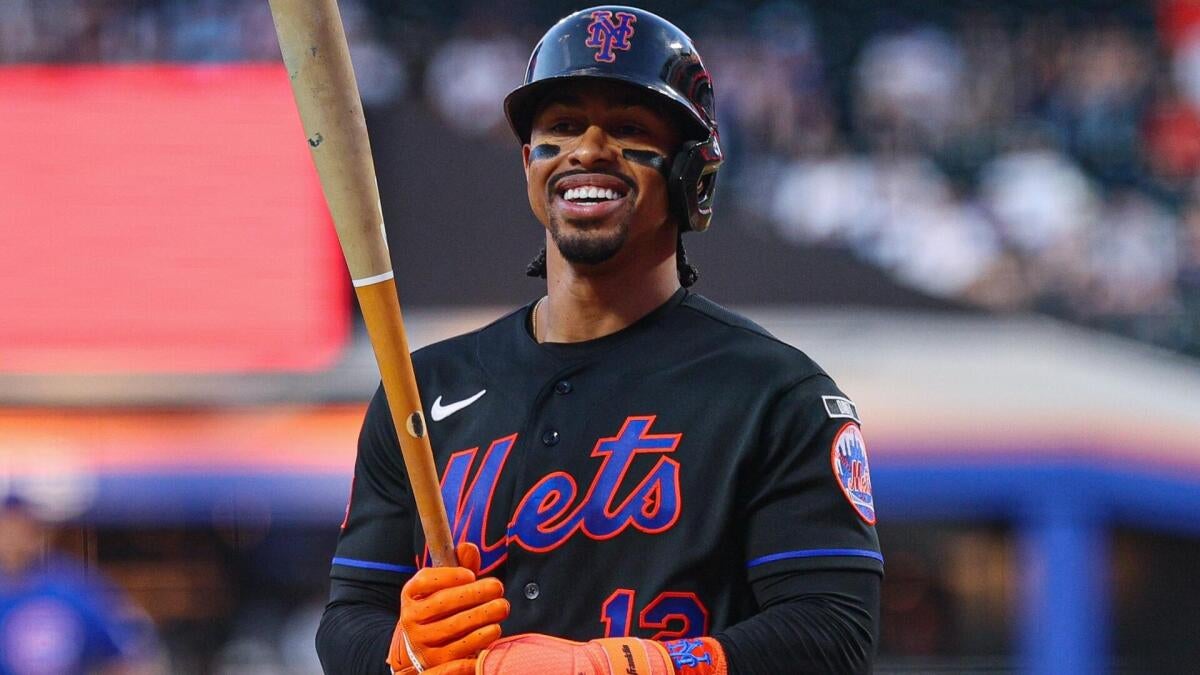
The Mets and Cubs square off Thursday with Matthew Boyd making his return from a six-week injury stint, and that timing creates a specific vulnerability in home run prop markets. Boyd allowed a 6.00 ERA across five pre-injury starts and has surrendered three balls that reached the wall or cleared it entirely in left field during two starts against the Mets last season—a pattern worth isolating because Citi Field's right-to-left wind Thursday favors exactly that trajectory for right-handed fly-ball hitters.
Francisco Lindor's 0-for-5 debut Wednesday against the Cubs masks a more durable truth: his career split against Boyd sits at .333 with two home runs in just 39 plate appearances, a sample compressed enough to suggest matchup advantage rather than season-long trend. That 13-of-39 line and .945 OPS represent the kind of opponent-specific edge that doesn't flatten across a full season. Lindor's return from a two-month IL stint typically follows a gradual ramp—minor-league time, pinch-hit appearances, then full roles—but the Mets are deploying him in a full lineup Thursday, which signals either confidence in his health or urgency given the four-game series momentum. Either way, he's swinging a bat that knows Boyd's release point intimately.
The structural case extends to Francisco Alvarez, the Mets catcher who has homered in all three games this season against the Cubs and carries a 1-for-2 line with one home run specifically against Boyd. Eight home runs total on the season understates his power clustering: nearly all have come at Citi Field in right-center, the zone where Boyd's fastball tends to flatten for him. The Cubs bullpen ranking 29th in home run rate compounds the edge; if Boyd escapes early or labors into the fourth, relief arms will face Mets hitters who've already shown rhythm against the starter.
Pete Crow-Armstrong rounds out the expert picks despite headwind working against left-handed fly-ball extension. Freddy Peralta has yielded eight home runs across his last eight starts, a rate that screams volatility rather than sustainable control. Crow carries a 1.121 OPS in 13 career at-bats against him with six home runs in his last 10 games—a hot streak that won't persist, but one that carries momentum into Thursday's action. The wind-to-left configuration is genuinely suboptimal for him, which creates an asymmetric case: if Crow connects, it's against a headwind bet, which buys credibility; if he doesn't, the alignment was always skeptical.
The market has priced these Mets home run props reasonably—Lindor at +390, Alvarez at +360—but the edge lies in opponent-matchup specificity and bullpen structure rather than recent volume. Lindor's career dominance of Boyd survives the 0-for-5 comeback because it's built on plate coverage and pitch recognition, not momentum. Alvarez's three-game streak is predictable given Citi Field's dimensions and Boyd's fastball location tendencies. These props are vulnerable to one-and-done spikes; the book will adjust if any two connect, especially Lindor. But Thursday's numbers carry durability because they rest on structural mismatch—an immobile pitcher returning from injury against a familiar opponent, compressed timeline, tailored wind, and a backup unit that allows fly balls to leave the yard at elevated rates.