Guardians' Bullpen Carries Weight in Back-to-Back Walk-Offs; Tight-Game Pattern Signals Volatility
By Justin Erickson ·
Cleveland's reliance on relief depth to escape consecutive one-run games masks a deeper volatility problem that prop bettors should monitor closely.
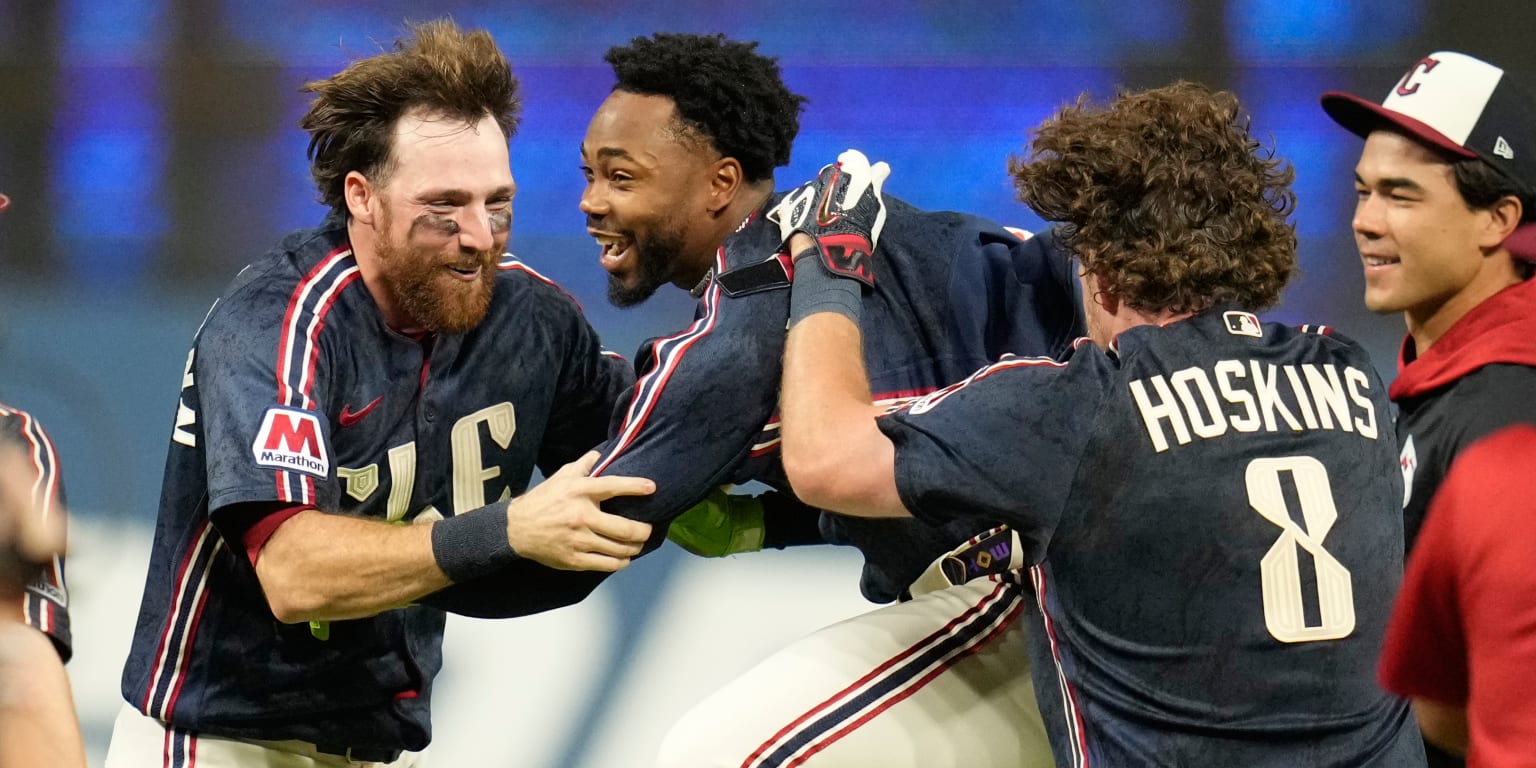
The Guardians walked off the White Sox for the second consecutive night Friday, with Kahlil Watson driving home Steven Kwan in the 10th inning for a 4-3 victory. Thursday's closer came via Brayan Rocchio's two-run homer. Back-to-back walk-offs are the kind of narrative that feels like momentum, but the underlying structure of these wins tells a more cautious story.
The bullpen delivered the decisive element: Franco Aleman, Hunter Gaddis, Colin Holderman, Cade Smith, and Erik Sabrowski combined for 5 1/3 scoreless innings, allowing the Guardians to stay in a game that turned on Miguel Vargas's three-run homer in the fifth. Starter Gavin Williams exited after 4 2/3 innings, partly due to a rain delay that consumed an hour and 55 minutes. That extended bullpen workload—five relievers to cover the final five innings—speaks to depth but also necessity. Cleveland's relief corps has had to earn these wins in high-leverage spots.
What matters more than the heroics: the Guardians have now played 52 games decided by two or fewer runs, the most in baseball, at 28-24. Since June 1, 18 of their 27 contests have fallen into that margin—a 8-10 record in those tight contests over the past month. This is not variance smoothing toward a mean; it's a pattern of playing in elimination windows where a single pitch, a single mistake, or a single weather delay determines the season line. Teams that live in one-run games tend to oscillate between euphoria and collapse because the margin for error shrinks to zero.
For prop bettors, this structure creates two competing signals. On one hand, the Guardians' bullpen has proven capable of executing in these spots—five pitchers threw scoreless ball in a situation where one inherited runner or one wild pitch ends the season. That competence in leverage is real and durable. On the other hand, a 28-24 record in 52 tight games is essentially .500 baseball masquerading as clutch performance. Regression math suggests that the next 20 one-run games will look more like 10-10 than 15-5. The Guardians are not special at winning close games; they are simply playing an unusual number of them.
This distinction matters for team total props and spread bets. If Cleveland's run differential and strength of schedule suggest an underlying win rate of 52-54 percent, but they are anchored to 52 one-run decisions, the implied odds on any given game contain hidden volatility. Totals—both team and game—compress around these fixtures. Unders at slightly elevated total levels carry less tail risk because the Guardians are not blowing teams out; they are grinding through close games where relief pitching and clutch hitting are the only variables that move the needle. The walk-off wins are real. The pattern that produced them is fragile.