Nationals' Ninth-Inning Surge Exposes Late-Game Vulnerability in Giants Bullpen
By Justin Erickson ·
Washington erased a two-run deficit against Logan Webb's dominance to win 4-3, signaling that San Francisco's closer usage in high-leverage spots may be a recurring liability.
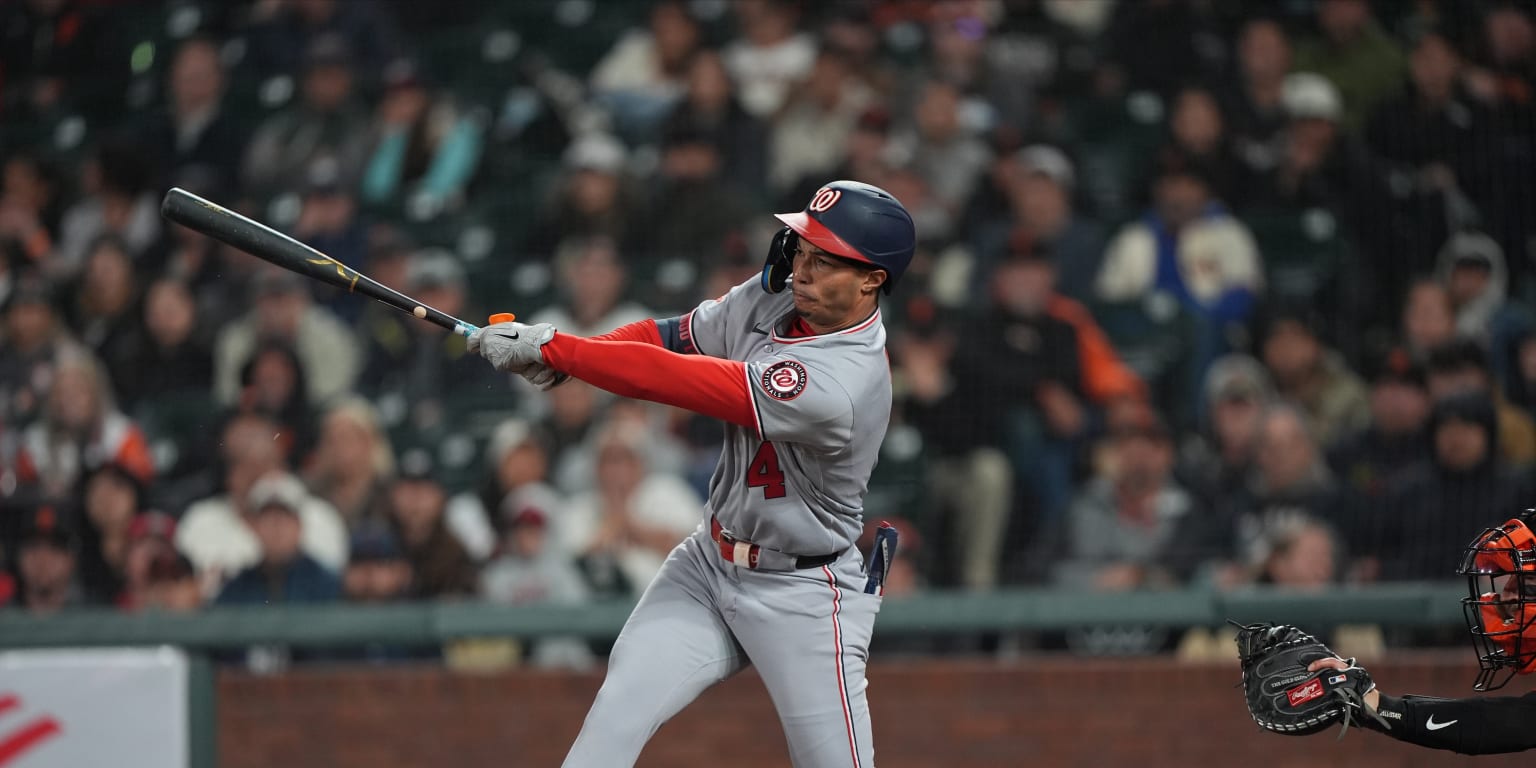
The Nationals walked out of Oracle Park Monday with a 4-3 victory they had no right to claim. Through eight innings, Logan Webb had suffocated Washington's offense—the Majors' most prolific run-scoring team this season—holding them to a single unearned run on James Wood's sixth-inning dash. Webb's command was surgical. The Giants led 3-1 entering the ninth, and the game appeared decided.
Then San Francisco's ninth-inning architecture crumbled. Keaton Winn relieved Webb and immediately surrendered a double to Luis García Jr., then a hit-by-pitch to Curtis Mead. A passed ball from Eric Haase moved both runners into scoring position. CJ Abrams laced a 2-0 splitter up the middle to tie, and Daylen Lile's bloop single to center plated the go-ahead run. Gus Varland locked down the save by striking out Bryce Eldridge with a runner on third—but the damage was done. This marked Washington's first walk-off win after trailing at the end of the eighth inning all season, breaking an 0-for-X streak in those specific, high-leverage spots.
The mechanical story here matters more than the scoreboard result. Webb was dominant, which means the Giants' decision to lift him for Winn in the ninth represents a calculated gamble—likely a workload management call given Webb's recent volume. But Winn's control wavered precisely when the margin narrowed. A two-run ninth-inning lead should feel secure. It didn't. The passed ball, the lack of a clean strikeout to start the frame: these are the friction points that separate a three-run lead from a tie game in 60 seconds.
For bettors, the lens is sharp. The Nationals have now proven they can manufacture runs in the eighth and ninth innings against above-average pitching—they're not a team that folds when facing a name like Webb. That resilience wasn't priced in at the series opener; most books had San Francisco as a -130 favorite heading into Monday, with the total set at 7.5. Washington's ability to produce in the late frame, especially when trailing, suggests that unders on future Nationals-Giants matchups during this series carry more risk than pregame spreads indicate. The Nationals won't manufacture comebacks every night, but they've now demonstrated they can, and that's enough to shift the tail-risk calculus on totals moving forward.