MLB
White Sox Offensive Surge Closes Playoff Gap as Chicago Wins Third Straight
A 14-11 rout of Kansas City on Tuesday showcases the offensive firepower that has catapulted Chicago from 100-loss territory to the brink of postseason qualification.
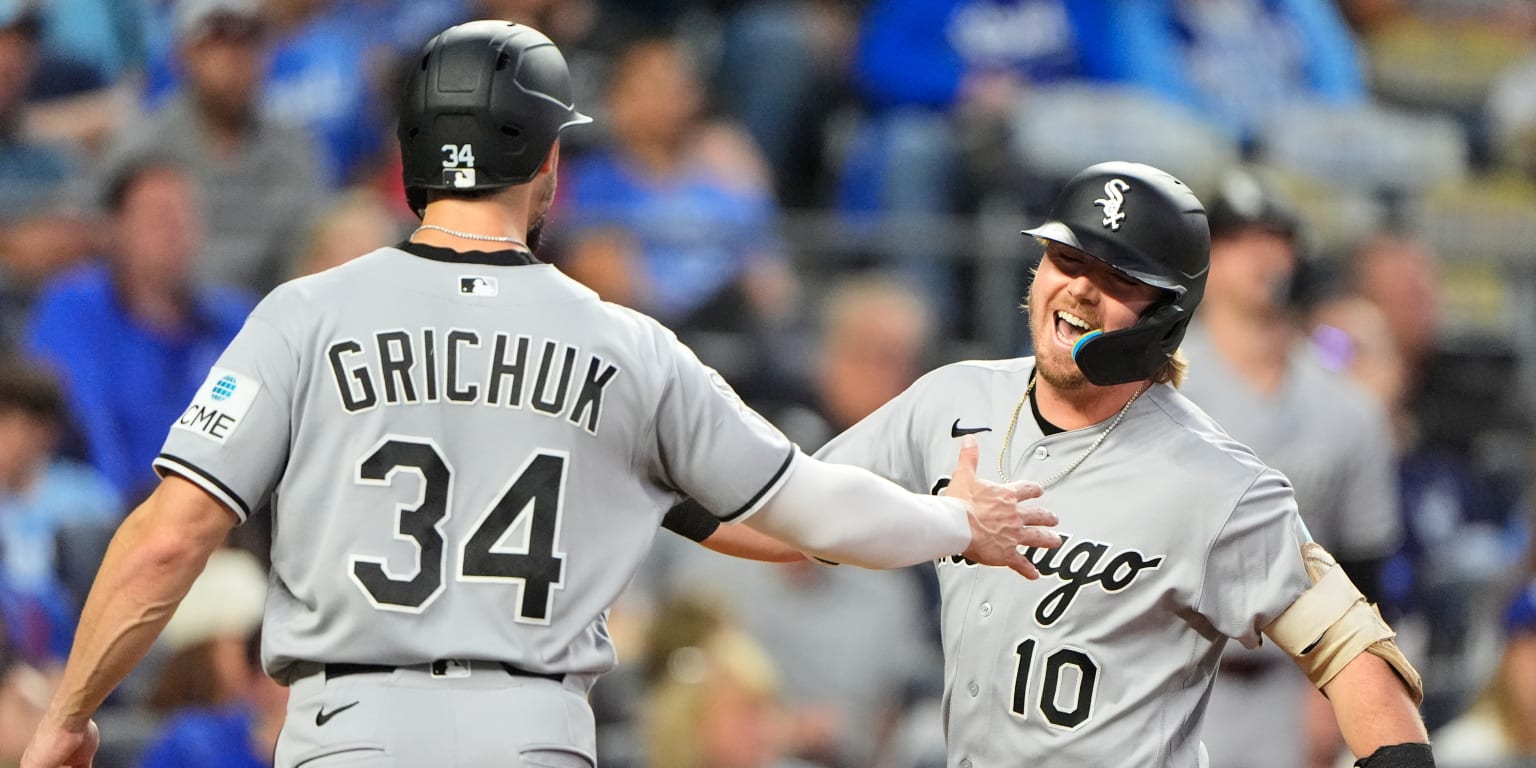
The White Sox demolished the Royals 14-11 on Tuesday night, extending their winning streak to three games and moving to 81 victories on the season. The victory represents far more than a single W in the standings—it signals that the organizational reset begun in earnest this offseason is producing legitimate contention baseball. Chicago has now recorded four-or-more home runs in nine different games this season, a mark that correlates directly with their 21-game improvement over 2025 and their 40-game jump from the historic collapse of 2024.
The offensive display was systematic and relentless. Chase Meidroth drove in five runs, Randal Grichuk collected four hits and narrowly missed the cycle, Brenton Doyle and Munetaka Murakami each contributed power, and the White Sox totaled 203 home runs as a team heading into their final six regular-season games. That production volume—built on a consistent approach to lineup construction and plate discipline over the full season—has kept Chicago competitive in a tight AL Central race. They trail Cleveland by one game with six contests remaining, and a Houston or Texas loss Tuesday could push them to the precipice of clinching.
What makes this surge genuinely durable, rather than a hot-streak artifact, is the underlying resilience. After surrendering leads of five and six runs in Friday's 11-8 loss to Detroit, the White Sox could have deflated. Instead, they followed with wins in consecutive games and produced this offensive explosion. Third baseman Miguel Vargas, the reigning AL Player of the Week, framed the mentality plainly: the 2026 White Sox simply don't quit. That psychological consistency—paired with the fact that Chicago has improved by 40 wins in two seasons—suggests the market may be underpricing their playoff probability at this stage. Teams that have rebuilt this way, with young talent maturing into their prime offensive years simultaneously, tend to sustain winning rather than regress.
For prop bettors, the implication is twofold. First, White Sox team totals over the next six games should reflect genuine run-scoring capacity, not just recent hot-streak variance. Chicago has now scored 14 or more runs in multiple games down the stretch, and their lineup construction—anchored by hitters with positive expected batting average differentials—doesn't reverse on a dime. Second, individual home run props for their core sluggers (Meidroth, Grichuk, Murakami) face an interesting tension: the market will price in elevated likelihood based on Tuesday's 4+ HR game, but Chicago's actual offensive infrastructure has been stable all season. The edge lies in distinguishing between single-game recency and the multi-month pattern. A 14-11 win is memorable; the fact that this team has been building toward it across 162 games is structural.