MLB
Dodgers Locked Into Diaz Despite Untenable Leverage—And The Market Knows It
Edwin Diaz has torched through 14 appearances with an 11.57 ERA, but Dave Roberts has no exit strategy; that immobility is priced into every Dodgers closer prop and team total going forward.
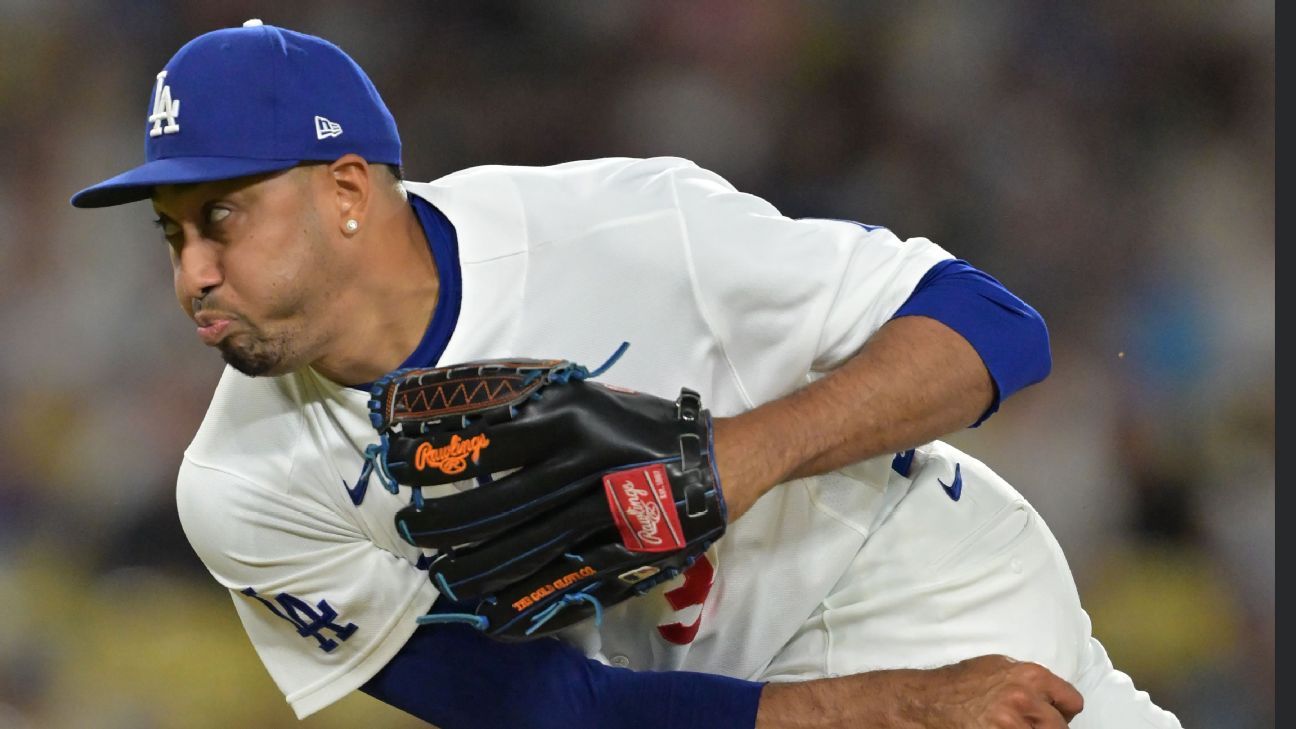
Edwin Diaz walked off Dodger Stadium to cascading boos Thursday night after blowing a two-run ninth-inning lead to Milwaukee. His third blown save in four attempts dropped his ERA to 11.57 over 14 appearances into a $69 million contract. The Dodgers lost 5-4. And Dave Roberts announced he would stick with Diaz as closer anyway.
The math here is brutal and unavoidable. Diaz returned from right-elbow surgery that sidelined him for more than three months, immediately assumed closing duties, and has been unplayable since. In Phoenix, he surrendered a walk-off two-run homer to Ryan Waldschmidt on his first high-leverage assignment back. He allowed a ninth-inning triple to Corbin Carroll the next night to tie a game. His only competent outing came Monday against Kansas City. Three days later came Thursday's collapse—fastballs middle-middle, sliders catching the edges for base hits, runners scoring in bunches. Diaz himself acknowledged the problem: "I was throwing my fastball right in the middle. When you miss in the middle, you pay."
What Roberts is really saying when he commits to Diaz is this: the Dodgers have no trade market for a closer with an 11.57 ERA and a $69 million anchor. No team is taking that contract. The bullpen depth chart behind him—Alex Vesia and whatever else Los Angeles can assemble—offers no better option for ninth-inning assignments. Roberts is trapped, and everyone in the sports-betting market already knows it. That constraint changes how Dodgers closers should be valued. Diaz will pitch high-leverage situations regardless of performance because the organizational cost of benching him exceeds the on-field risk. He gets more chances than a replacement-level arm would earn in a rational market.
For prop bettors, this creates two parallel angles. First: Diaz's strikeout totals and earned-run props will remain volatile and skewed toward the downside (more ERs, fewer Ks against better competition) because he's forced to stay on the field despite command issues. His fastball location has deteriorated—middle-of-the-zone misses at high velocity are home-run and extra-base-hit factories—and he has no accountability for consecutive failures. Second, Dodgers team totals and moneylines shift slightly negative over multi-game series when Diaz appears in close games. The variance introduced by an uncontrollable closer with an 11.57 ERA in save situations is real and unpriced. Vegas has already baked in some of this, but the degree of organizational commitment Roberts just announced—essentially, "we're riding this out"—exceeds what typical closer rotation-and-rest logic would suggest.
The Dodgers are 14 games into Diaz's tenure. They've won most of them, but the ninth-inning margin for error is collapsing. Fade overs on Dodgers team totals in games where Diaz is expected to pitch, and target his strikeout unders when facing lineups with elevated chase rates. The market will overcorrect to his Thursday blowup, then drift back toward neutral as the Dodgers win some games anyway. But the fundamental constraint—that Diaz cannot be removed without organizational loss—persists. That's the edge.
MLB Intelligence — Baseball intelligence beyond the box score. Open MLB Intelligence →