Will Smith's 60-Day IL Move Opens Dodgers Catcher Depth Question
By Justin Erickson ·
Los Angeles removes its starting catcher for two months, forcing an unproven catching committee into a pennant race.
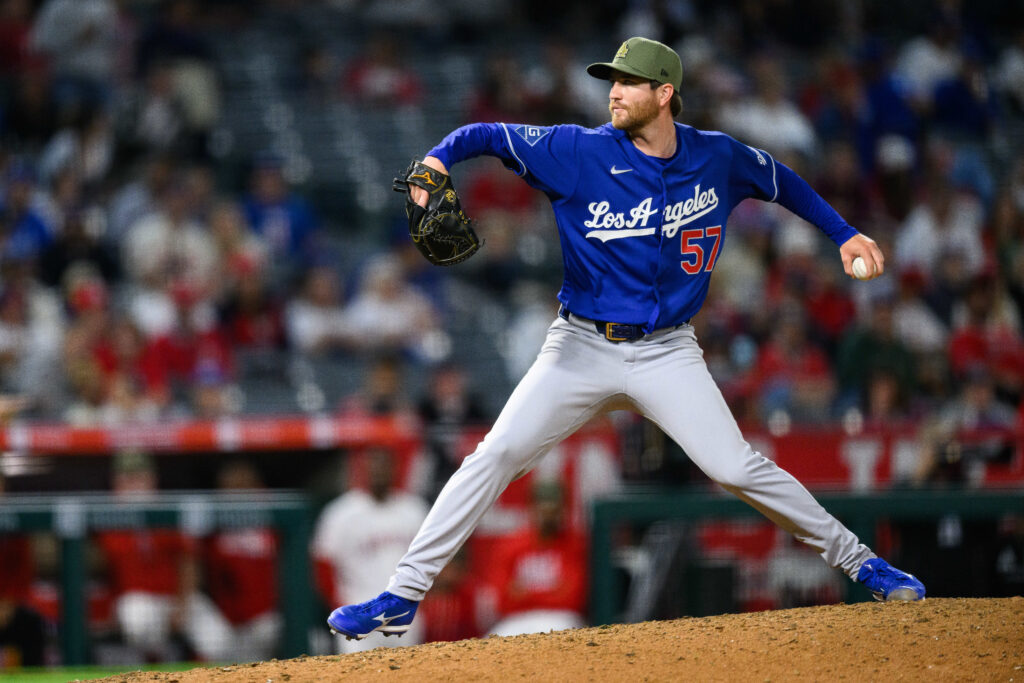
The Dodgers transferred All-Star catcher Will Smith to the 60-day injured list on July 21, clearing a 40-man roster spot to promote left-hander Charlie Barnes from the minor leagues. The move signals either a significant setback in Smith's injury timeline or a preemptive decision to reset his recovery window mid-season. Either way, Los Angeles just lost its primary run-prevention voice behind the plate during a stretch when every plate appearance carries playoff weight.
Smith has been a cornerstone of Dodgers offense for three seasons—a slugging catcher who pairs above-average pop with elite game-calling reputation. His absence forces the club into a catching rotation that likely features a combination of younger options or acquired depth. The 60-day designation removes him from eligibility until late September, effectively sidelining him for the final six weeks of the regular season unless the timeline accelerates. For a team chasing in a competitive division or wild-card positioning, this represents meaningful offensive loss from a high-leverage position.
Charlie Barnes arrives as a lottery ticket—a minor-league arm who gets his shot because the Dodgers need roster flexibility more than proven production. Landon Knack's demotion to Oklahoma City signals that Barnes earned priority over the right-hander's low-leverage role. This is organizational triage, not a long-term solution at catcher or pitching depth. The Dodgers are making shorter-term moves to patch roster holes while Smith's absence cascades through planning assumptions.
For betting purposes, the catching change creates two parallel angles. First, the Dodgers' overall run-scoring profile should contract slightly. Smith's absence removes a player capable of 30+ home run seasons and consistent RBI production. That hits team total overs, particularly in games where the Dodgers face quality pitching and rely on their middle-order pop. Second, pitcher workload and pitch sequencing may shift. Replacement catchers typically call higher pitch volumes to manage game flow, increasing strikeout potential for Dodgers pitchers but also introducing volatility in innings-by-inning control. Any Dodgers pitcher in the rotation now has a shorter leash with unfamiliar game-calling.
The durability question matters here: Smith's injury isn't yet defined publicly, so the precise recovery path remains opaque. If it's a lower-body or soft-tissue issue, 60 days is conservative and could see acceleration. If it's structural (shoulder, hip, knee surgery), expect him to remain unavailable into September. Until clarity emerges, team totals and run props in Dodgers games carry elevated uncertainty. Short-term, fade Dodgers run-scoring props and lean toward pitching-efficiency angles against Los Angeles until the catching situation stabilizes.