Dodgers Break 91-Game Extras Drought, but Bullpen Vulnerability Costs Bettors
By Justin Erickson ·
Los Angeles finally needed extra innings in game 92, but the path to victory exposed a late-inning relief pattern that will matter for future overs.
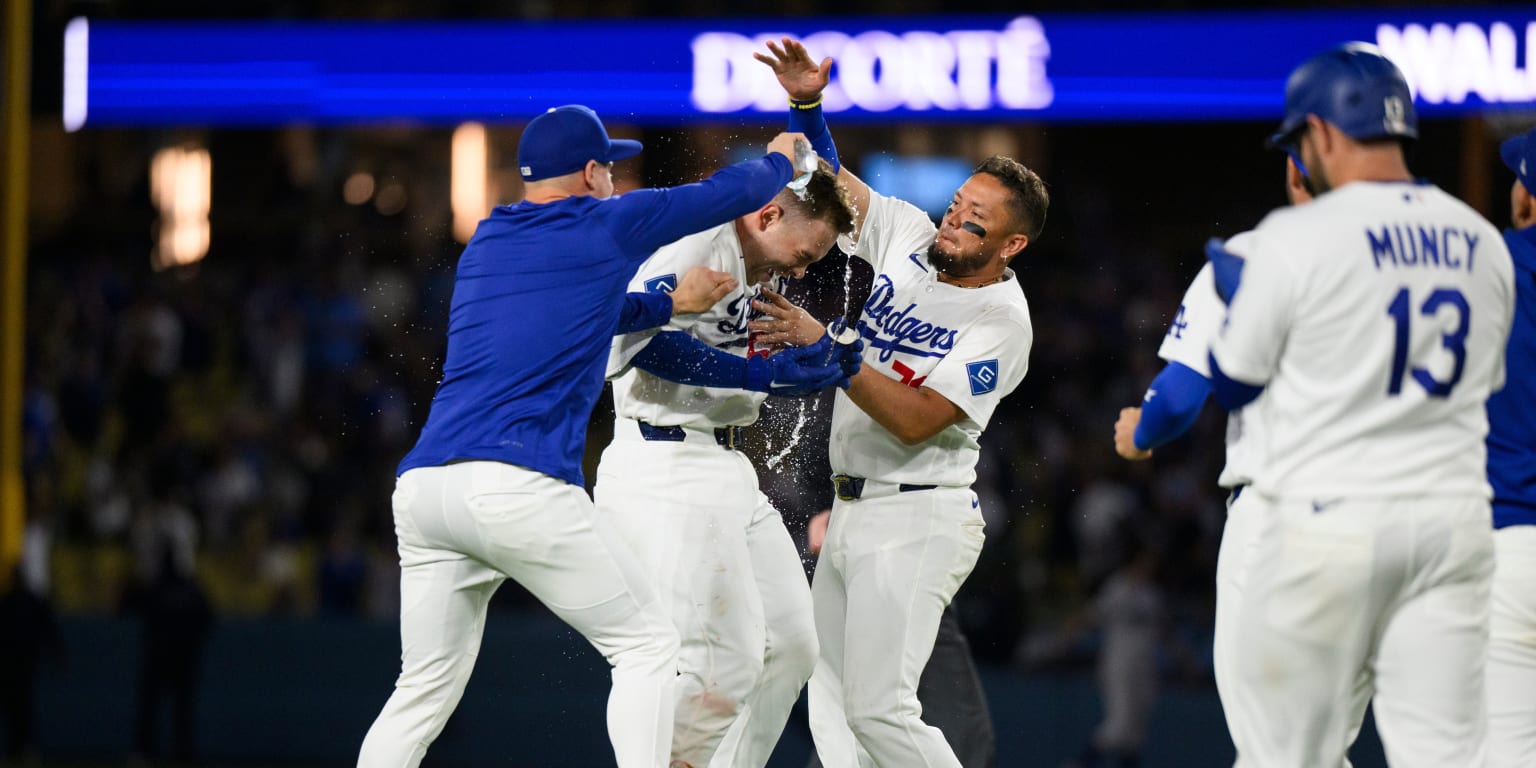
The Dodgers became baseball's first team to 60 wins on Monday, but they did it the hard way: Dalton Rushing's 11th-inning single off Jimmy Herget gave Los Angeles an 8-7 victory over Colorado in their first extra-inning contest of the season. For 91 games, the Dodgers had wrapped every result within nine innings—the second-longest streak to open a season in baseball history, trailing only the 2005 Red Sox, who reached game 99 before going to extras. That durability ended Monday night, and the circumstances matter more than the win itself.
The Dodgers had controlled this game for most of the evening. Shohei Ohtani's two-run homer in the third (his 299th career) helped stake L.A. to a 6-1 lead through four innings, and they still led 6-3 entering the ninth. Then the script flipped. Left-hander Tanner Scott couldn't close it out; the Rockies scratched together three runs in the ninth on a two-out bases-loaded double from Cole Carrigg, and the Dodgers' inability to score in the bottom half set up extra innings. What followed was a textbook extra-inning slog: automatic runners, intentional walks, a sacrifice bunt, and finally Rushing's go-ahead single. The Dodgers won, yes, but they burned a closer in a non-save situation and required 11 innings to put away a Rockies team that has won 23 games all season.
The betting angle here lives in the bullpen exposure and late-game environment. Scott's failure in the ninth—blown save, inherited runners escaping was not an option—signals that even elite closers can falter in tight spots, which is noise to long-term win-total bettors but noise to short-term unders traders. The real signal is that the Dodgers, despite their league-leading 60-win pace, are vulnerable to extended games when their starter exit timing is compressed. Entering Monday, the Dodgers had won 60 games in 152 contests (a 63.2-win pace over a full 162-game season), but that pace assumes clean, decisive wins. Extra-inning games—even victorious ones—consume bullpen depth and create the statistical conditions for regression in the coming week. Teams forced into 10+ inning games see their win probability spike in that specific contest but dip measurably over the next 7-10 games as relievers absorb above-median workload.
For prop bettors, the immediate read is caution on Dodgers moneylines at even money or chalk over the next 2-3 games while the bullpen recovers. The odds-on favorites will not account for this fatigue discount; sportsbooks price wins based on talent and recent record, not on whether a team's closer just threw 27 pitches in a non-save situation. If the Dodgers face a moneyline at -120 or steeper in the next 48 hours, consider it a fade candidate. Conversely, unders on the Dodgers team total (if they're favored by 4+ runs in the next game) carry slight value because a fatigued bullpen in the late innings often means closer margins and lower run-scoring windows. The 91-game extras drought is a footnote; the bullpen vulnerability is the bet.