MLB · injury
Dodgers Activate Knack After Seven-Month Oblique Absence; Bullpen Volatility Shifts
The return of a high-velocity reliever who's missed the entire season reshuffles Los Angeles' late-inning leverage hierarchy and raises questions about durability in a condensed ramp-up window.
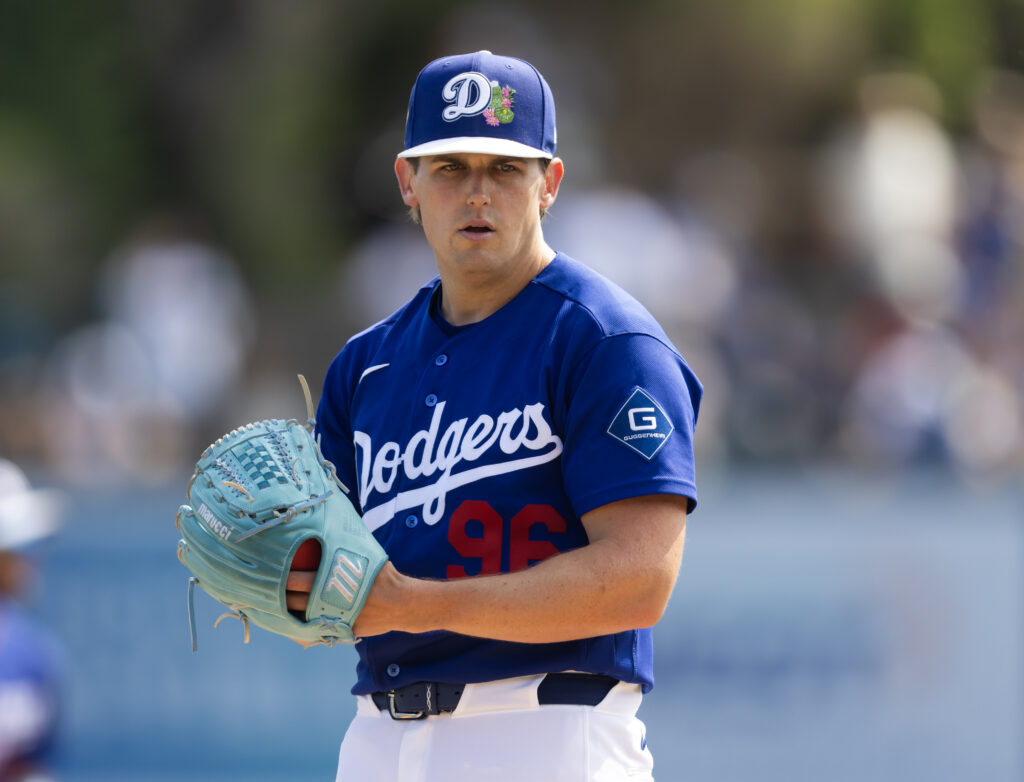
The Dodgers activated right-hander Landon Knack from the 60-day injured list on Saturday, ending a seven-month absence that began before the season opener. Knack has not pitched in a game since late 2025 due to an oblique strain—a notoriously sticky injury for overhead athletes. He takes the roster spot of Kyle Hurt, a right-handed reliever who will head to Triple-A, while left-hander Charlie Barnes was designated for assignment to create the 40-man roster room.
Knack's profile matters here because velocity and command form the baseline for reliever value, and oblique injuries carry real degenerative risk in throwing athletes. The injury forced him to miss nearly half the calendar year. The Dodgers front office clearly believes the recovery is complete—oblique strains don't typically benefit from extended rest beyond eight weeks if the rehab protocol is sound—but the first two weeks back carry elevated volatility. Relievers returning from injury often see fastball command spike inconsistently early, then stabilize. Knack's stuff (he touched 97-98 mph in the minors pre-injury) remains attractive on paper, but the market typically overstates freshness and underestimates dead-arm in the immediate return window.
From a bullpen composition standpoint, the Dodgers shed Barnes—a left-on-left specialist with marginal strikeout rates—and absorbed Knack's strikeout upside. Barnes' departure is neutral to slightly positive for the bullpen's whiff ceiling, assuming Knack executes. But the Dodgers' bullpen already carried high utilization through July; adding a high-leverage arm mid-season is a desperation move, not a luxury. This suggests internal confidence that Knack can contribute immediately, or that the relief corps has deteriorated enough to justify the risk.
For prop purposes, Knack's strikeout line will almost certainly be soft early—books typically undershoot K props for injury returnees in Week 1 and Week 2, then correct sharply upward if he stays healthy. The safer angle is a contrarian lean: fade any Knack strikeout unders in his first three appearances. The oblique will limit his workload regardless; 1-2 innings per outing is standard protocol. Volume constraints artificially depress strikeout totals below his true per-inning whiff rate. Over/under lines rarely account for this asymmetry during the return window.
Conversely, avoid overs on his ERA or team total props during his debut week. A seven-month layoff introduces mechanical rust that manifests in walks and base-on-balls, not just strikeouts. The smart position is isolation: target Knack strikeout props only, and size small until a second appearance confirms command stability.
MLB Intelligence — Baseball intelligence beyond the box score. Open MLB Intelligence →