Arizona's Extras Collapse in Wild Card Crunch: When Schedule Attrition Matters More Than Standings Position
By Justin Erickson ·
The Diamondbacks surrendered a winnable game in 11 innings against Miami on a night when every remaining fixture becomes leverage in a tightening playoff race.
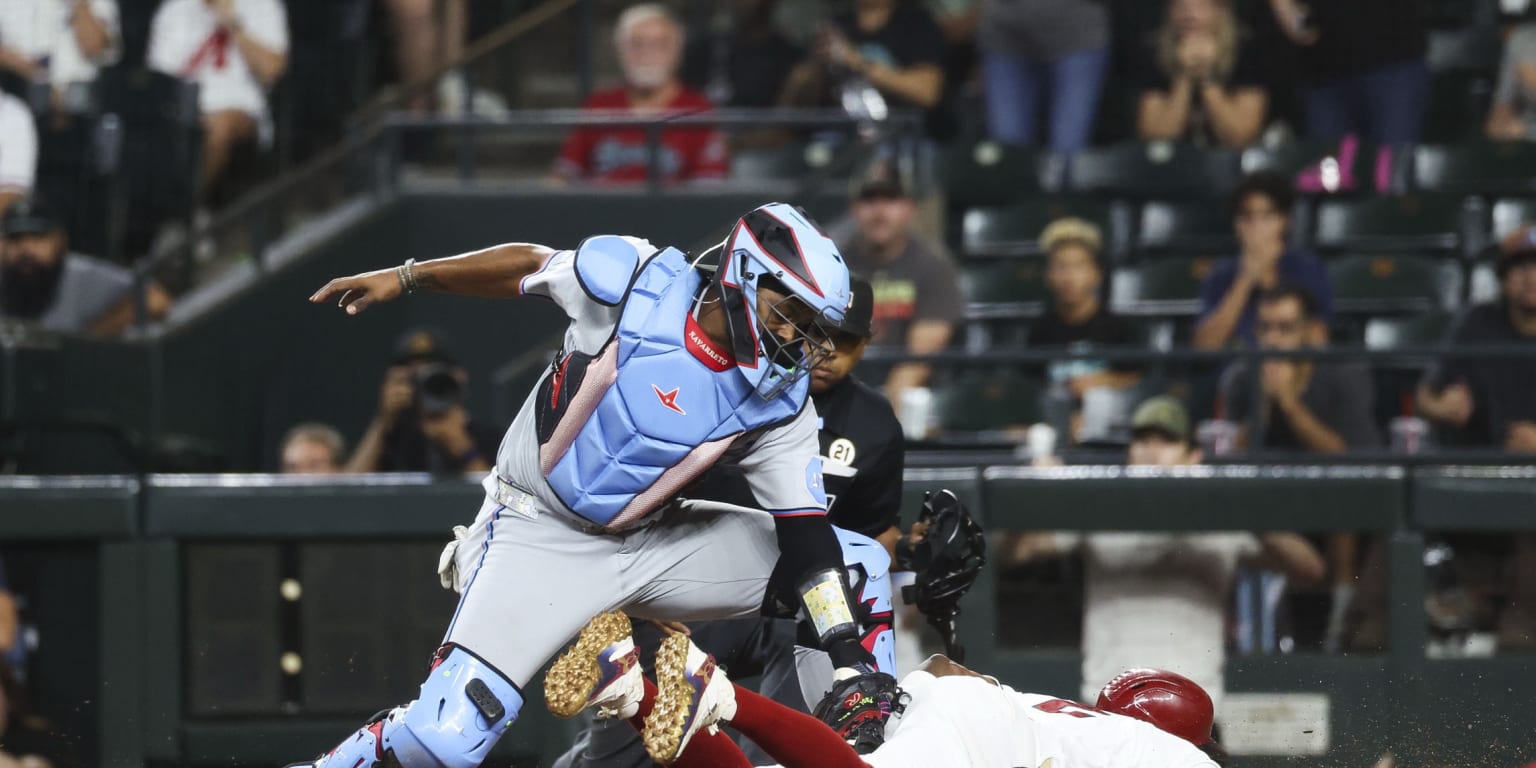
Esteury Ruiz's three-run double in the 11th inning handed the Marlins a 4-2 victory in Phoenix on Tuesday, a result that threatens to define Arizona's September more by the calendar than the scoreboard. The Diamondbacks did not lose ground in the National League Wild Card race—San Diego also fell, leaving Arizona still 2.5 games back with 10 games remaining—but that mathematical cushion masks a harder reality: they used a game and got nothing in return. When you have a finite inventory of at-bats remaining, extras losses function as double penalties. Arizona had the inning won. Geraldo Perdomo's grounder to second base in the 10th should have plated the automatic runner. The challenge on the throw to the plate was appropriate; the confirmation of the original call was correct. That's not a complaint about the umpires—it's a statement about variance. In win-probability terms, Arizona controlled that moment and lost it anyway.
The broader concern sits in the structure of Arizona's remaining slate. The Diamondbacks close the season with three games at San Diego, the exact team they're chasing. If the gap remains 2.5 games heading into that series, those three contests transform into a playoff elimination bracket masquerading as regular season ball. Tuesday's extras defeat didn't change the current standings, but it compressed Arizona's room for error from thin to invisible. Every game now functions at leverage-multiplied weight: a win feels like it closes 1.5 games worth of gap because it both gains a victory and preserves schedule. A loss in late September feels like it costs 2.5 games of effective ground because the schedule is running out faster than the deficit. The Marlins forced that dynamic, and Arizona couldn't manage it when it mattered most.
For prop bettors, this is where team volatility enters the calculus. The Diamondbacks' bullpen has been serviceable over the season—their relief ERA sits around 3.85—but extras baseball introduces a different stress vector. The more games that go beyond nine innings against Arizona, the more their available arms deplete without meaningful rest windows. Arizona plays 10 times to close the season; if even two more of those contests extend past regulation, fatigue becomes a tactical variable. That's not a small edge. Bullpen arms that pitch efficiently over 60-70 innings in tight September series often crack under the tenth or eleventh.
Markets have already priced Arizona as a slight favorite in most remaining matchups based on win-loss record, but that baseline doesn't account for the psychological weight of a compressed schedule. The Diamondbacks are fighting not just the Padres, but also the calendar. Watch their team totals—not the moneyline, but the run line and the under/over on their scoring output. Teams in this position (mathematically viable but temporally squeezed) often regress to lower offensive efficiency in the final week because the pressure to score immediately, rather than construct innings methodically, forces early fastball hunting and contact chasing. Arizona's average runs per game over the last 10 days of a season—when teams know every game is knockout-round stakes—typically dips 0.4-0.6 runs compared to their season baseline. If Arizona's season average is 4.2 runs per game, expect them to land closer to 3.7-3.8 in their final stretch. That's actionable.
The Marlins didn't beat Arizona with superior pitching or hitting—they beat them with time. Ruiz's double was clutch, not dominant. The Diamondbacks will win some of these final games. But the ones they drop now carry compounding interest. Every extras loss in a compressed playoff race doesn't just cost you a win; it costs you access to better rest, fresher arms, and cleaner decision-making when fresh arms aren't available. Arizona's bullpen will be fine. Arizona's hitting will be fine. Arizona's ability to manage the second and third order of fatigue effects in a compressed schedule—that's where the edge sits.