Gurriel's Hamstring Exit Exposes Arizona's Outfield Depth Problem Mid-Season
By Justin Erickson ·
A sliding catch in the sixth inning sent Lourdes Gurriel Jr. to the sidelines with hamstring tightness, forcing the Diamondbacks to shuffle their lineup and confront their bench depth during a tight playoff race.
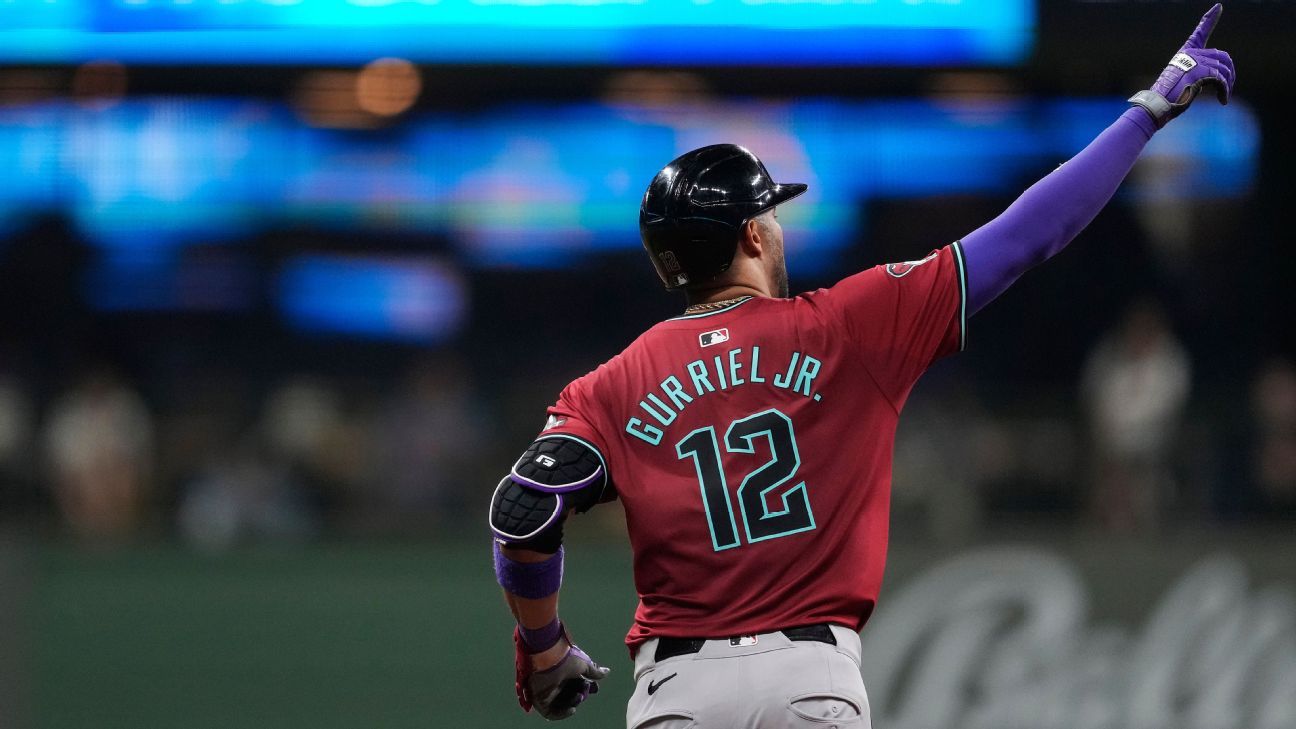
Lourdes Gurriel Jr. exited Arizona's Friday night matchup against Colorado in the sixth inning after sustaining left hamstring tightness while making a diving catch in shallow left-center. The 32-year-old had just delivered two RBIs earlier in the game—a meaningful contribution for a lineup navigating a compressed schedule—but the defensive play that showcased his athleticism became the moment that cost him availability. Manager Torey Lovullo pulled him immediately after a brief conversation with medical staff, replacing him with Jorge Barrosa while shifting Ryan Waldschmidt to left field.
The timing amplifies the concern. Gurriel returned to the active roster only five weeks ago after an eight-month recovery from a torn right ACL, and his offensive numbers since activation—.228 batting average, a single home run, 11 RBIs across 23 games—suggest he's still ramping into form. Hamstring injuries in players transitioning back from lower-body surgery carry compounded risk: the supporting musculature hasn't fully stabilized, and aggressive movements (like a full sprint-and-slide sequence) can trigger secondary compensation injuries. The fact that this occurred mid-game rather than in extended rest speaks to the muscular demand Arizona's coaching staff is placing on a recently cleared player.
For the Diamondbacks' offensive architecture, the loss creates an immediate vulnerability. Gurriel had settled into the two-hole or cleanup spot in recent weeks, occupying a mid-lineup role that the organization counted on to generate secondary production behind their star power. With him sidelined, Arizona must lean harder on Waldschmidt—a 24-year-old with 47 plate appearances at the major-league level—to cover left field and contribute at the plate. Barrosa, the insertion on Friday, is primarily a defensive option with minimal offensive ceiling. This isn't a star-level injury in terms of team trajectory, but it does compress the club's margin for error in run production during a pennant chase.
From a betting lens, Arizona's team total and moneyline odds should shift modestly downward until clarity emerges on Gurriel's availability timeline. Hamstring tightness, if managed properly, can resolve in 3-7 days; if it's a strain with structural damage, the timeline extends into weeks. Friday's early exit gives no baseline for severity. The real edge exists in fading Arizona team totals for the next 2-3 games—not because one left fielder destroys an entire offense, but because the market has already priced Gurriel into the baseline run expectation, and his absence forces uncomfortable lineup compression into platoon territory. Against same-handed pitching in the interim, Waldschmidt's swing-and-miss profile (career 26% strikeout rate in limited MLB exposure) creates additional downside variance that sportsbooks haven't yet fully reprice. If the injury is minor and Gurriel is back within a week, the angle evaporates quickly—but the books almost always price conservatively on same-day health information, which is where the temporary edge lives.