MLB
Steele's Bullpen Path Opens a Late-Season Cubs Relief Wrinkle
Justin Steele's two-year injury odyssey nears its end, and the Cubs must decide whether to risk him in the final Boston series with playoff positioning still uncertain.
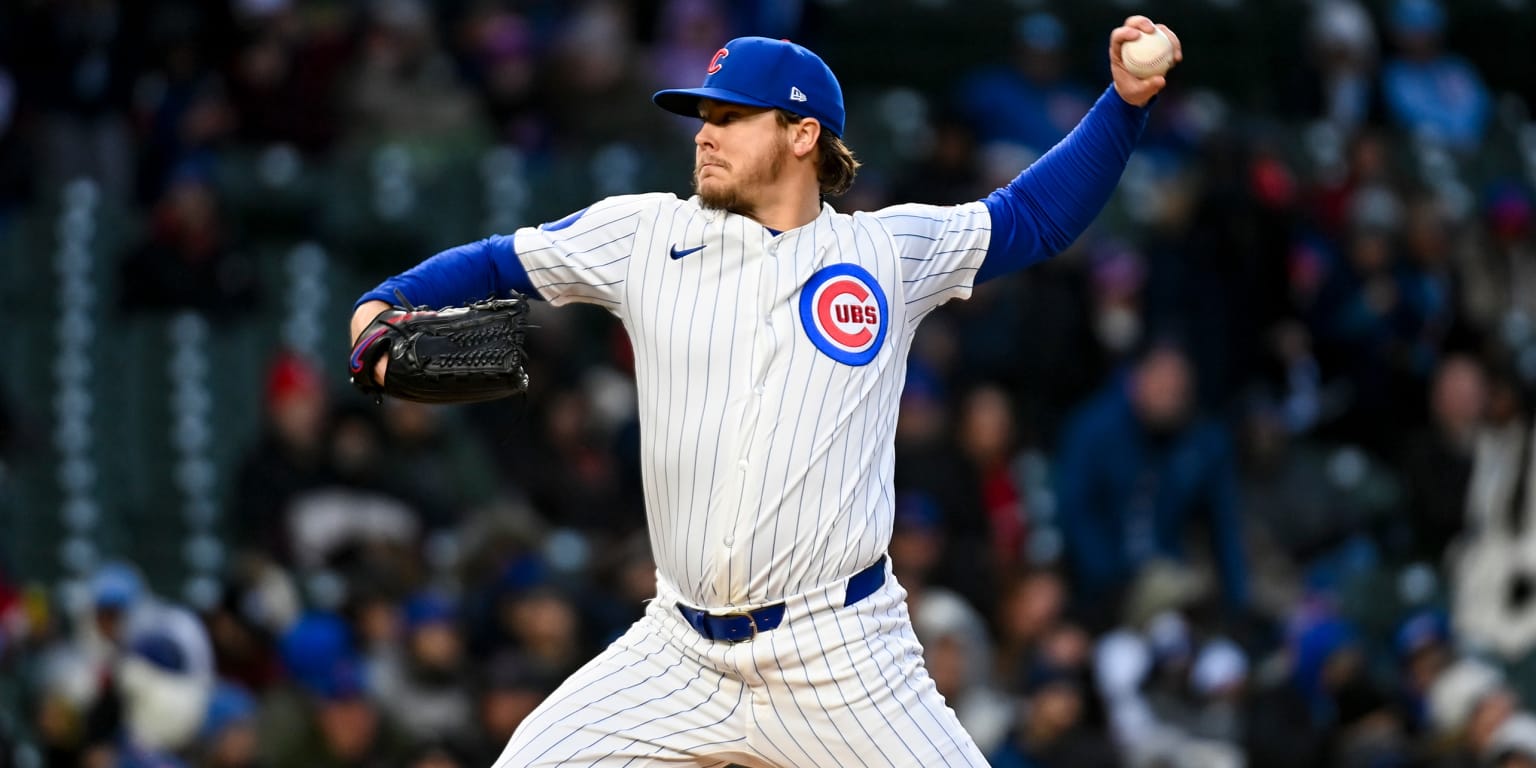
The Cubs are at a crossroads with Justin Steele, their 31-year-old left-hander who is finally—finally—throwing without limitation after elbow surgery in April 2025 and a subsequent flexor strain setback earlier this year. As of Tuesday, Steele has cleared Triple-A Iowa rehab and is back in Chicago, cleared to throw a bullpen session Wednesday. Manager Craig Counsell acknowledges the calculus is real: with the Wild Card picture still sorting itself and weather threats looming over the weekend's Red Sox series, the Cubs have to weigh the operational upside of getting Steele live innings against the risk of overextending a pitcher who hasn't thrown in a game that counted since 2023.
Steele's recent minor-league work carries legitimate voltage. In his last Iowa appearance against Omaha on Friday—three days ago—he fired two hitless innings with five strikeouts and one walk. Over four rehab outings total, he's posted an 11 K, 1 BB line across 7⅔ innings, a strikeout-to-walk ratio that signals command is returning. The Cubs' internal message is clear: Steele will slot into the bullpen if he takes the field, not the rotation. That shift in role—from Opening Day starter in 2024 to relief work—is not incidental. It lowers the workload ceiling, limits his exposure to extended sequences, and lets him function as a high-leverage option rather than a volume play.
The timing is deliberately cautious. Steele won't see action unless the Cubs unlock a specific operational space: playoff seeding is secure, or the series against Boston demands a short-burst appearance that doesn't compromise his availability for October. Per Counsell, "there are other considerations" beyond just Steele's readiness—a diplomatic way of saying that burning innings on a rebuilding-phase reliever before the playoffs lock does not align with the team's postseason architecture. Other Chicago arms are already conditioning in Arizona (Wicks, Ferguson, Hollowell, Garrett). Steele is not yet interchangeable with that depth.
From a betting lens, Steele's return patterns into Cubs relief totals and strikeout props in the final week hinge on two gatekeepers: (1) Wild Card clinch status by game time, and (2) score proximity that permits short-relief usage. If the Cubs secure the fifth or sixth seed before the Red Sox series, Steele becomes a live bullpen weapon, and his strikeout prop—likely in the 4–6 range given his recent form and the two-inning, high-leverage usage model—shifts from a single-appearance gamble to a play with durable mechanics. His 5 K output on Friday in a two-inning span is the floor; recent MLB relievers with his K/9 profile (roughly 11 per nine) hitting two innings typically land 2–3 strikeouts. Steele's superior control and velocity progression through rehab could push that ceiling to 4–5 in a single outing. However, that edge exists only if he actually pitches. Until the Cubs secure their postseason slot, the probability of Steele appearing remains a coin flip, which means his props are noise-grade bets—high variance, low predictability.
The macro play is simpler: monitor the Cubs' playoff status before placing any Steele strikeout or innings prop. Once they clinch, Steele becomes a correlated relief bet; his appearance probability jumps from 40–50% to 70%+, and his per-inning strikeout rate becomes a genuine leverage angle for final-series props. Until then, he's a story, not a wager.