Cubs Clinch Window Opens as Busch Powers Past Reds; Postseason Lock Within 48 Hours
By Erik Schwartz ·
Michael Busch's 20th homer and Matthew Boyd's efficiency give Chicago a one-game Wild Card lead with a clinch scenario in play Sunday.
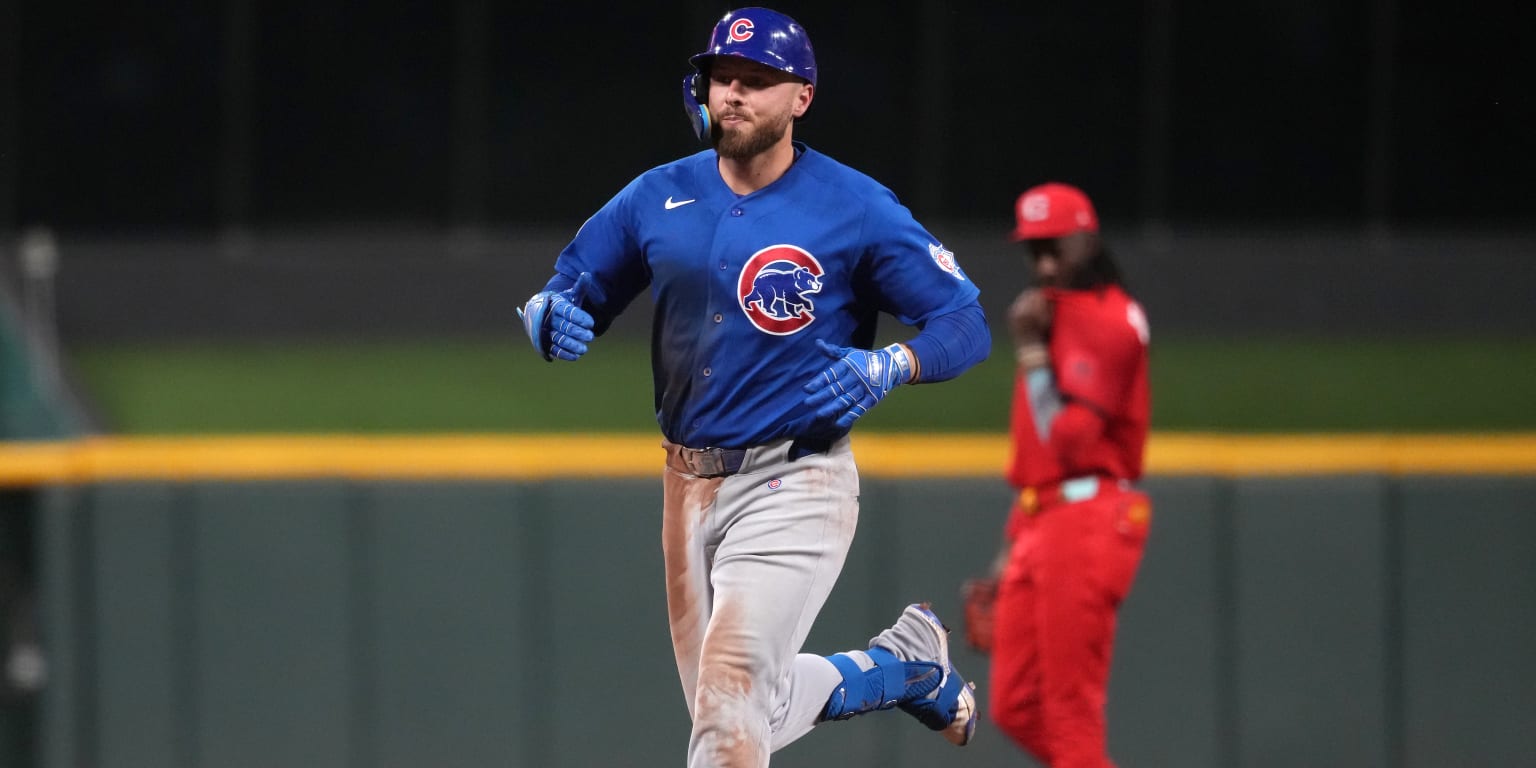
The Cubs beat Cincinnati 5-2 on Saturday to improve to 86-69, opening a one-game gap over Philadelphia for the top NL Wild Card spot after the Phillies lost to the Mets. A Cubs win Sunday paired with an Arizona loss to the Yankees clinches Chicago's postseason berth outright. That narrow window—fewer than 48 hours away—reshapes how to read the remaining games on the Cubs' schedule, particularly their lineup volatility and rest decisions heading into the final stretch.
Busch delivered the margin Saturday in the sixth inning, a first-pitch fastball into right field off Nick Lodolo that broke a 2-2 tie and marked his 20th homer of the season. The timing is relevant: a player who ended Friday's loss by getting thrown out attempting to steal second base immediately seized an opportunity to contribute in a high-leverage spot. That kind of immediate bounce-back performance in a clinch-adjacent game is not noise; it signals a lineup that understands what's at stake. Hoerner followed with an RBI single two innings later, and Dansby Swanson added a solo shot in the ninth. The offensive output was efficient, not explosive—exactly what you want when pitching quality matters more than overwhelming dominance.
Matthew Boyd's outing is the secondary story worth isolating. He entered Saturday with a brutal career line at Great American Ball Park: 22 earned runs allowed in 23 1/3 innings. Saturday he inverted that narrative almost entirely, pitching five strong innings on two hits and two runs (one earned). He retired 12 of his first 13 hitters. That's not a small-sample outlier; it's a performance that suggests either a late-season adjustment in his approach or a meaningful variance correction against a specific venue. Either way, Cubs rotation health matters more now than it did 48 hours ago—if they're one win away from clinching, the bullpen usage and starter sequencing over the next 72 hours will directly determine their rest posture heading into the wild-card round.
From a betting perspective, the Cubs' moneyline becomes increasingly underpriced if the market hasn't fully internalized the clinch-scenario window. A team playing Sunday's game with a formal clinch-or-stay-alive mathematics will generate elevated urgency in both hitter selection and pitch sequencing. The Padres' half-game deficit keeps them live, but San Diego's schedule is marginally harder; the Cubs' path to clinch—contingent on Arizona losing to New York—is genuinely attainable within one game cycle. Busch's home run total, currently tracking near 20, becomes a secondary consideration; his overall team-context leverage (hitting in high-pressure situations where wins directly clinch playoff berths) is the real edge. Watch for the Cubs' team total to contract if Sunday's opponent brings upgraded pitching; conversely, if the line assumes Chicago still has to grind through multiple clinch scenarios, unders become vulnerable to underpricing a team that may only need one more convincing win.
The Reds' loss keeps them firmly out of contention, which simplifies the Wild Card race into a two-or-three-team scramble. That tightening field increases the information content of every Cubs game moving forward; they're not fighting a crowded field, they're executing a specific clinch path. If they take Sunday's game, the postseason roster decisions and potential rest-for-health moves in the final stretch change the prop environment entirely.