Cubs Gamble on Bummer's Reclamation Project—Low-Stakes Depth Play in a Crowded Bullpen
By Justin Erickson ·
Chicago adds organizational pitching depth on a minor-league deal, but the signing signals more about roster desperation than a meaningful bullpen upgrade.
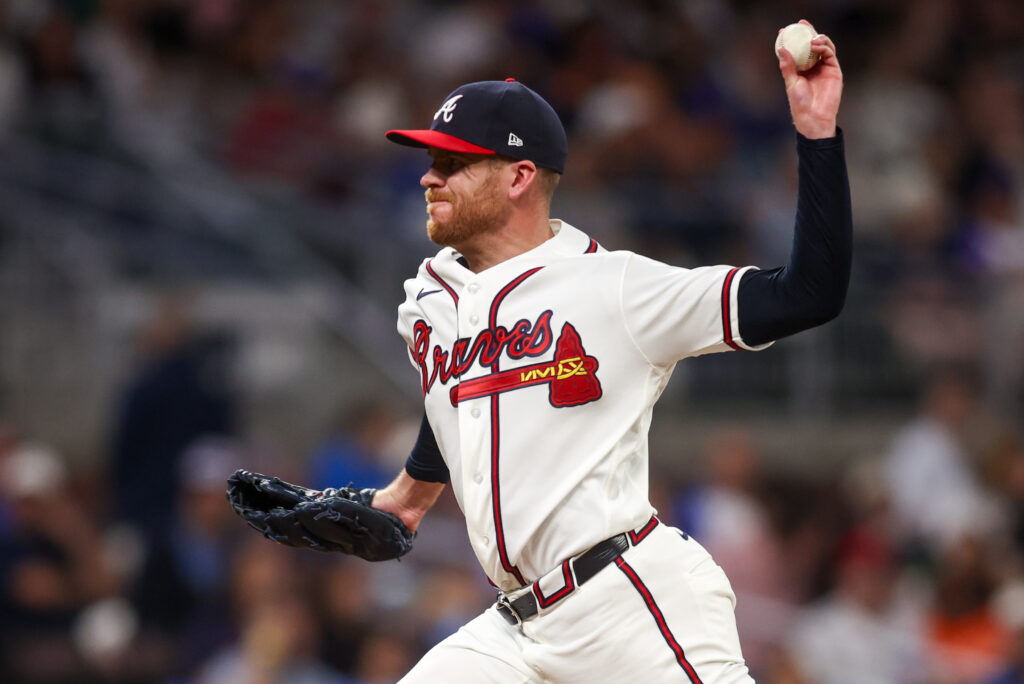
The Cubs have signed left-hander Aaron Bummer to a minor-league deal, per USA Today, after the 32-year-old was released by Atlanta last week. Bummer will report to Triple-A Iowa, joining a farm system short on established relief arms. The move costs Chicago almost nothing—a non-roster invite, no guaranteed money at the big-league level—and represents the type of low-risk depth add teams make in May when injuries or performance collapse demands plugging a hole fast.
Bummer's surface-level résumé looks grim. His 2026 campaign with the Braves was catastrophic enough to earn a pink slip after just weeks in the organization. A southpaw who once posted a sub-3.00 ERA as a White Sox reliever, he's now a veteran reclamation project, the kind of pitcher clubs cycle through when the alternative is burning out young arms or emptying the bullpen lottery ticket box. At 32, there's no upside narrative here—no youth to develop, no prospect ceiling to unlock. This is about mining a two-week sample for a usable inning or two if the Cubs' relief pitching implodes further.
From a roster-construction standpoint, the signing does nothing to address Chicago's actual bullpen weakness. The Cubs' relief corps has been mediocre to poor, leaning on inconsistent arms and missing the kind of reliable veteran steadiness that separates contenders from pretenders. Bummer, should he reach the majors, offers a left-handed option against right-handed hitters late in blowouts—a utility piece, not a savior. His presence in Iowa is insurance, not aspiration. If he pitches well enough at Triple-A to warrant a call-up, it speaks more to the Cubs' desperation than to any hidden talent rediscovery.
For prop bettors, this signing carries minimal direct impact on near-term Chicago matchups. Bummer is unlikely to appear in games meaningful enough to influence team total adjustments or closer/reliever lines, and Iowa performance rarely translates predictively to big-league prop value. The broader signal—that the Cubs are cycling through waiver-wire arms instead of promoting internal candidates or making trades—suggests a bullpen management philosophy trending toward volatility. That makes Cubs bullpen games riskier to project and favors caution on any bets that depend on relief stability, particularly in tight contests where late-inning arm freshness matters.
The real takeaway is negative absence rather than positive addition. This is what a team does when it has already cashed its chips and is looking for spare change in the couch. Watch instead for what the Cubs don't do in the next two weeks—whether they add genuine relief depth at the deadline—because Bummer's arrival tells you they haven't found it yet.