Crochet's Measured Return Resets Red Sox Rotation Timeline
By Justin Erickson ·
Boston's ace threw off the mound for the first time since shoulder inflammation sidelined him, but the extended rehab window has real implications for the team's pitching depth this season.
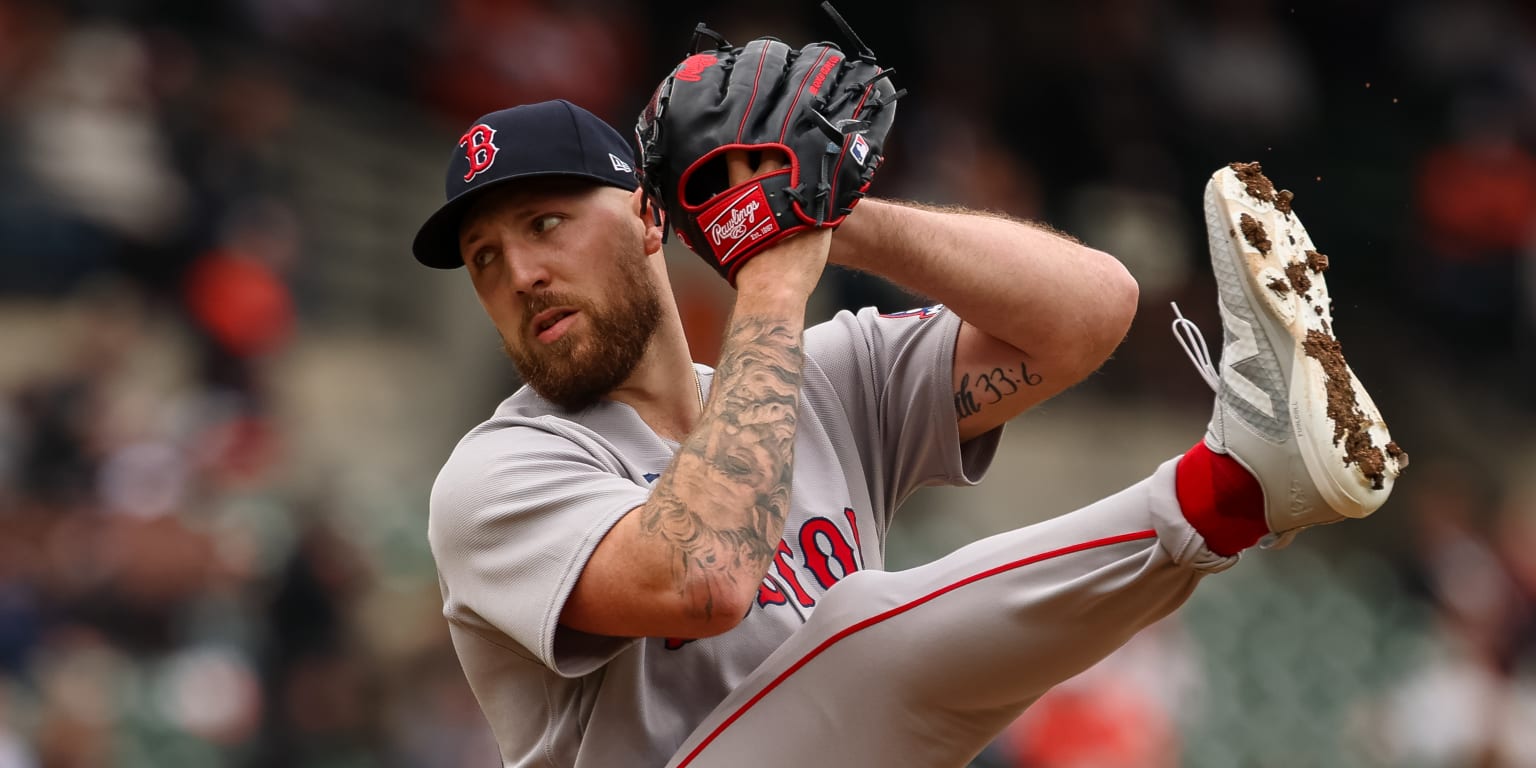
Garrett Crochet took a 20-pitch side session off the mound at Fenway Park on Wednesday—his first work from the bump since shoulder inflammation landed him on the injured list April 29. The Red Sox ace is moving methodically through a progression that includes a two-inning side session this weekend in Atlanta and potentially live batting practice thereafter, but he's pointedly rejecting the early return timeline he initially targeted. The 17-24 Red Sox are banking on Crochet's health over speed; interim manager Chad Tracy and the organization are evaluating whether Crochet can bypass a minor-league rehab assignment and slot directly into the rotation, much like Sonny Gray did after his recent hamstring injury.
Crochet's injury recovery has taken longer than he anticipated, largely because the initial damage appeared minor. He was hitting 97 mph in his final start in Baltimore before the inflammation flared, leading him to believe he'd avoid the IL entirely. The mechanical breakdown that triggered the injury—poor mechanics compromising his shoulder—is now a secondary focus alongside pure shoulder stability work. Crochet has spent the past two weeks on targeted range-of-motion strengthening, compensating for what he describes as "hyper mobile joints." That work is working: he reports the shoulder feels substantially better, and the mechanical refinement suggests this isn't just inflammation waiting to recur.
The timeline matters for Boston's rotation math. If Crochet returns without a rehab assignment—likely by late May if the trajectory holds—the Red Sox avoid burning innings and can accelerate his return to competitive workload. If the team opts for a minor-league stint, he's effectively unavailable for 3-5 additional games. The difference between those outcomes shapes whether Boston can stabilize its rotation before the grind of June. Crochet has been clear: he's targeting functionality over chronology, explicitly stating that returning at 40 percent wouldn't help his team. That's a mature read, but it also signals the Red Sox front office isn't forcing a comeback.
For Red Sox rotation props and team-total moneylines, the uncertainty cuts both ways. If Crochet can avoid the rehab assignment and returns in the next 10-14 days at full capacity, Boston's strikeout rate should improve measurably—Crochet's 9.5+ K/9 rate from last season is elite, and his absence has forced the team to patch the rotation with lesser options. Conversely, if the shoulder stiffness returns or a rehab assignment becomes necessary, Boston's rotation remains compromised for an additional two weeks, which pressures team totals and spreads in that window. The prop market hasn't fully priced the rehab-assignment bifurcation; the early line assumes faster integration. Watch for movement on Red Sox team totals once the organization decides whether Crochet needs Triple-A work.