Brewers' Late-Game Execution Deepens NL Central Grip with Playoff Positioning in Focus
By Justin Erickson ·
Milwaukee's 6-5 tenth-inning victory over Baltimore moves them three wins away from a first-round bye and within striking distance of homefield advantage throughout October.
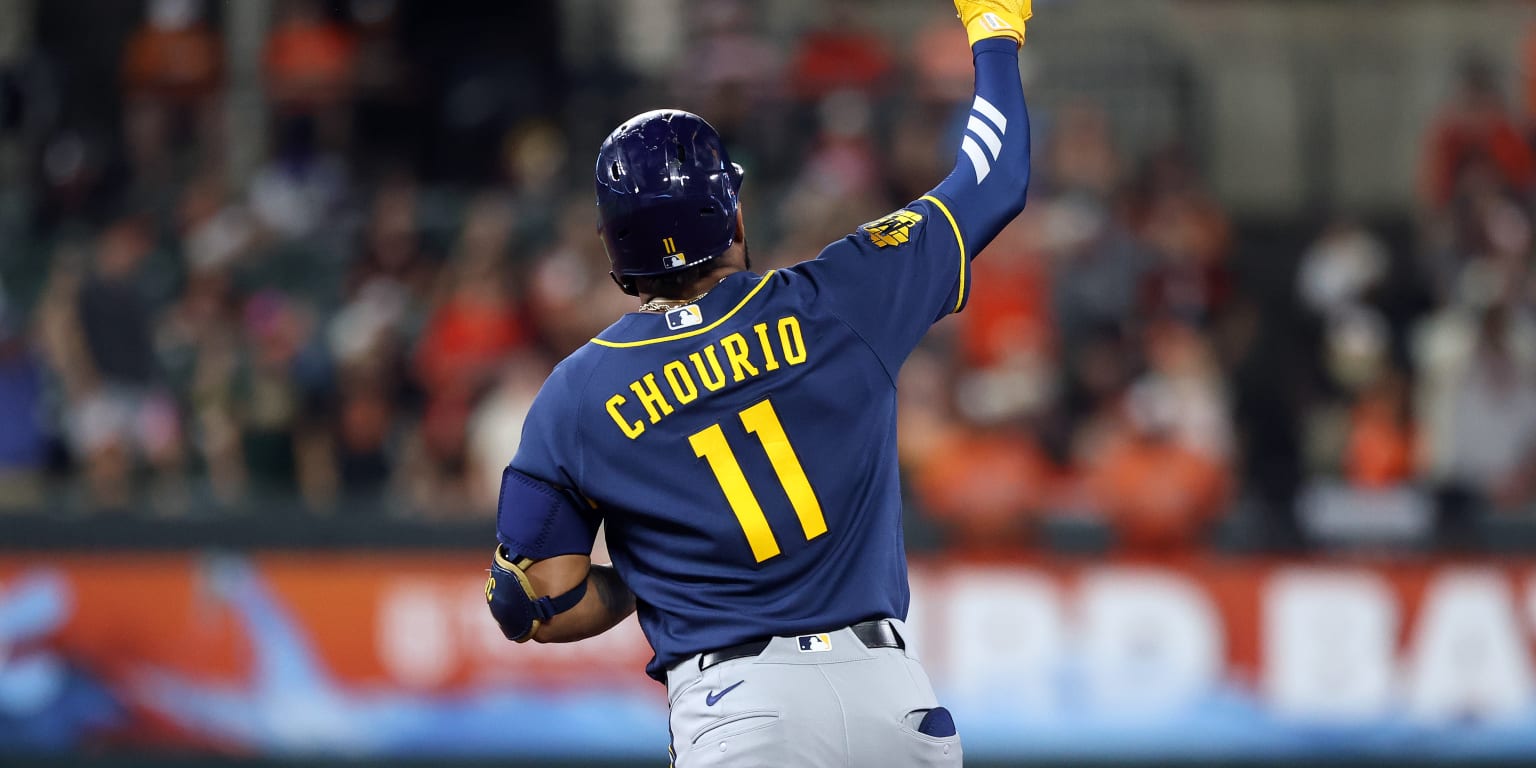
The Brewers beat the Orioles 6-5 in ten innings Friday night at Camden Yards, extending their National League East lead to a point where three more Milwaukee wins—or any combination of three Brewers victories paired with Braves losses—secures them at minimum the No. 2 seed in the NL playoff bracket. This was not clean baseball. Pete Alonso's three-run homer off Dustin May in the third tied the game early; Trevor Megill, who had not blown a save since June 5, coughed up the lead in the ninth before William Contreras and Christian Yelich engineered a tying rally. Sal Frelick pushed them ahead in the tenth for the walk-off margin.
What matters is that Milwaukee keeps finding ways to win close games when it counts. The Brewers own 14 victories this season when tied or trailing after eight innings—third-most in baseball—which is not a fluke artifact of random variance but a reflection of lineup depth and a bullpen that has the mettle to hold tight in high-leverage spots. Jackson Chourio's three-run shot in the second inning and his two stolen bases on Friday brought him one theft shy of his second consecutive 20-20 season, a marker of consistent offensive production in a lineup that rarely goes silent even when trailing.
The larger macro picture: Milwaukee (96-58) is chasing the Dodgers for the NL's best record while also keeping tabs on Tampa Bay's overall MLB-leading pace. Home-field advantage through the postseason carries measurable value in a best-of-five divisional series, where a single dominant arm or timely offensive sequence at home can swing the entire series. The Brewers' path to the No. 1 seed is not certain, but their ability to manufacture runs and execute in compressed moments—two rallies in one game, the second going into extra innings—suggests their lineup has internalized the mental discipline required in October baseball.
For bettors, the takeaway is straightforward: Milwaukee's late-inning strike rate is not noise. Teams that win 14 games after trailing or being tied through eight innings are executing a repeatable skill—plate discipline in high-count situations, knowing when to make contact versus take, and working counts that force opposing relievers into fastball zones. This pattern has already priced into their moneyline and run-line markets, so the sharper angle is on team total overs in games where Milwaukee starts as a favorite or faces a bullpen-dependent opponent. The Brewers' 14 late-inning wins came across the season, not in a single two-week spike, meaning this is a structural feature of their roster, not a hot streak due for normalization. When the Brewers play teams with depleted relievers or suspect closer situations, overs on their team total become more durable than general public positioning suggests.
Contreras and Yelich's continued production in leverage spots—both delivered ninth-inning hits Friday—also tilts the variance toward expecting closer contests rather than blowout home games. In a playoff-bound club that knows October rewards execution, that mentality compounds.