MLB
Burnes' Teres Strain Shelves Arizona's Ace Until September, Reshaping NL West Pitching Market
A shoulder injury to Corbin Burnes removes the Diamondbacks' best starter from the playoff window and forces a cascade of bullpen adjustments that'll ripple through divisional pricing.
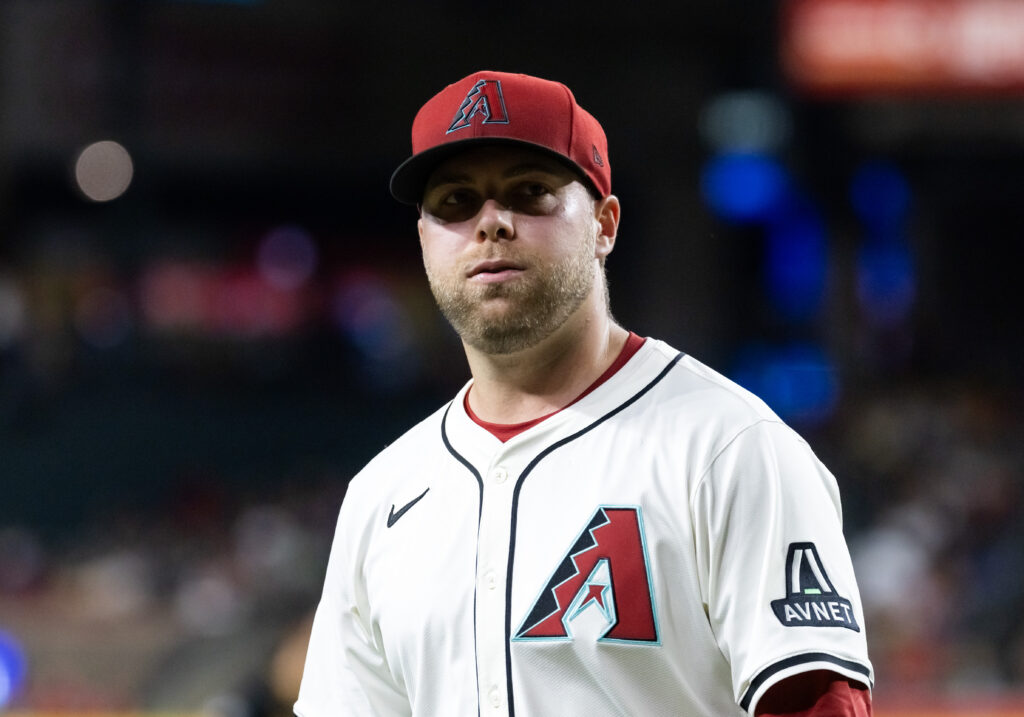
Corbin Burnes is done for the season. The Diamondbacks right-hander suffered a teres major strain and has been shut down from throwing, with manager Torey Lovullo ruling him out until September at the earliest—a timeline that functionally ends his availability for meaningful innings in 2026. For a team built around his mid-rotation reliability and postseason equity, the loss recalibrates everything Arizona was trying to accomplish in the NL West.
The teres major is a small rotator cuff muscle that assists in arm deceleration and internal rotation. A strain here, especially one severe enough to halt throwing progression entirely, signals soft-tissue damage that doesn't heal quickly and carries genuine re-injury risk once activity resumes. Lovullo's September window is generous—it's also realistic. Burnes won't be stretched out in time for August competitive starts, and bringing him back in September means the Diamondbacks are hoping for October leverage, not regular-season impact. That's a best-case scenario for a shoulder injury of this type.
Arizona's rotation now leans heavily on Eduardo Rodriguez, Merrill Kelly, and younger arms to carry the load through the summer stretch. The bullpen will absorb more high-leverage work earlier in games, compressing the availability of closer-tier relievers and creating usage patterns that differ sharply from preseason construction. Books have already begun repricing Arizona's win total—the Diamondbacks entered June as a legitimate 90-win projection team; they're now trending toward an 85-87 ceiling without Burnes.
From a wagering standpoint, the immediate market move is straightforward: fade Arizona team totals and moneylines in series contexts where pitching depth matters. The Diamondbacks' expected run differential flips negative when Rodriguez or Kelly takes the mound without Burnes waiting in the rotation—a dynamic that compounds over a season. Divisional opponents, especially the Dodgers and Padres, suddenly have clearer pathways to series wins. Arizona's implied team total of 4.5 runs per game (already modest for a midtier offense) should decline further; the market may not yet have fully repriced the bullpen fatigue that comes from losing your ace. Watch for that adjustment to hit within 48 hours as Vegas updates internal models for schedule volatility.
For bettors, the angle isn't to chase a directional call on Arizona's season—it's to recognize that bullpen strain creates inefficiencies in relief pitcher prop lines over the next two months. When a team loses its best starter, high-leverage relievers face higher pitches per appearance, shorter rest windows, and elevated stress on arm durability. Late-inning pitching props for Arizona's bullpen (strikeout totals, innings thrown) will compress, but individual closer usage patterns may move in counterintuitive directions as Lovullo manages through the injury. That's where sharpness lives: not in team totals that are already repricing, but in the secondary leverage market that still prices bullpen arms as if Burnes was healthy.