Burnes Enters Live Hitter Phase, All-Star Return Window Tightens
By Ty Whitney ·
Corbin Burnes moves from bullpen work to live batting practice next week, staying on track for a mid-summer return that would reshape Arizona's rotation depth and injury calculus.
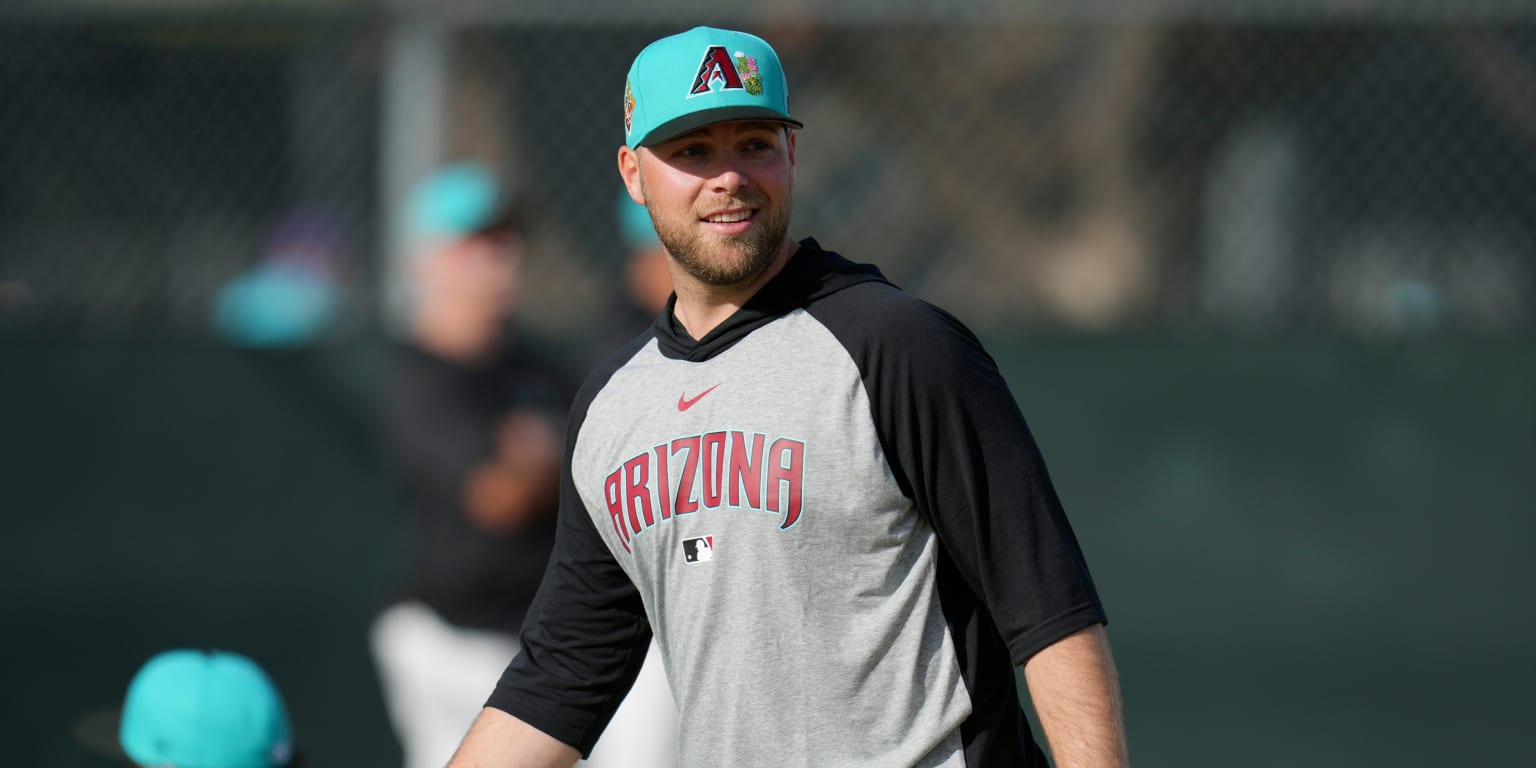
Corbin Burnes is done throwing to air. After more than two months of twice-weekly bullpen sessions—a grind he's openly exhausted by—the Diamondbacks' ace will face live hitters starting next week in either extended spring games or live batting practice at the team's facility. This marks the real beginning of his spring training ramp, the phase that typically separates recovery from readiness.
Burnes tore his ulnar collateral ligament in the middle of last season, roughly 11 starts and a 2.66 ERA into what was supposed to be his first full campaign under the franchise's largest-ever contract: six years, $210 million inked before the 2025 season. A year-plus post-Tommy John surgery, his arm has cleared the rehab milestones without setback. The velocity readings from his bullpens have impressed—he surprised some observers with his current heat during recent sessions. What remains is the harder reconstruction: command precision, pitch shape consistency, and the mechanical cleanliness that separates a thrower from a starter ready for the postseason mix.
The Diamondbacks are being deliberately cautious. Where typical starters run four to five spring outings before roster activation, Burnes will likely require six or seven, each incrementally raising his pitch count. That extended timeline points directly to an All-Star break window for his return—a target the team has maintained since his surgery. The math works: live hitter sessions starting next week, progressive starts over the next six-to-seven weeks, positions him for late June or early July availability when rosters become fully operational post-break.
For betting purposes, this distinction matters acutely. Burnes' return timeline now has concrete architectural markers rather than speculative projections. The Diamondbacks' rotation has performed adequately without him—good enough that his mid-season arrival becomes a depth addition rather than a panic response to injury. When a $210 million pitcher re-enters the mix at full strength, the team's leverage in late-inning spots and postseason pitching matchups expands measurably. Arizona's divisional standing and wild-card positioning depend partly on rotation health and depth. A Burnes return in July, if executed cleanly, shifts the risk profile for run-line and series-outcome pricing in the final two months of the regular season and into October baseball.
The edge for bettors is narrow but real: public pricing on Arizona's second-half performance hasn't yet priced in the imminent reality of Burnes' return. Oddsmakers and public projections still weight the Diamondbacks as if their starting depth is capped at the current rotation. Once Burnes starts appearing in minor-league box scores and actual game results (not just radar readings from bullpen work), those prices will recalibrate upward. The window between "live hitter phase confirmed" and "market reprices Arizona's playoff odds" is short. If you're operating under the assumption that the Diamondbacks' rotation quality improves materially in July, position accordingly before the live game evidence becomes consensus.