Brewers Hit .500 as NL Club: What a Franchise Turnaround Means for July Betting
By Justin Erickson ·
Milwaukee's comeback win over St. Louis marks a historic cultural reset—and signals sustained offensive execution that prop bettors should lean into.
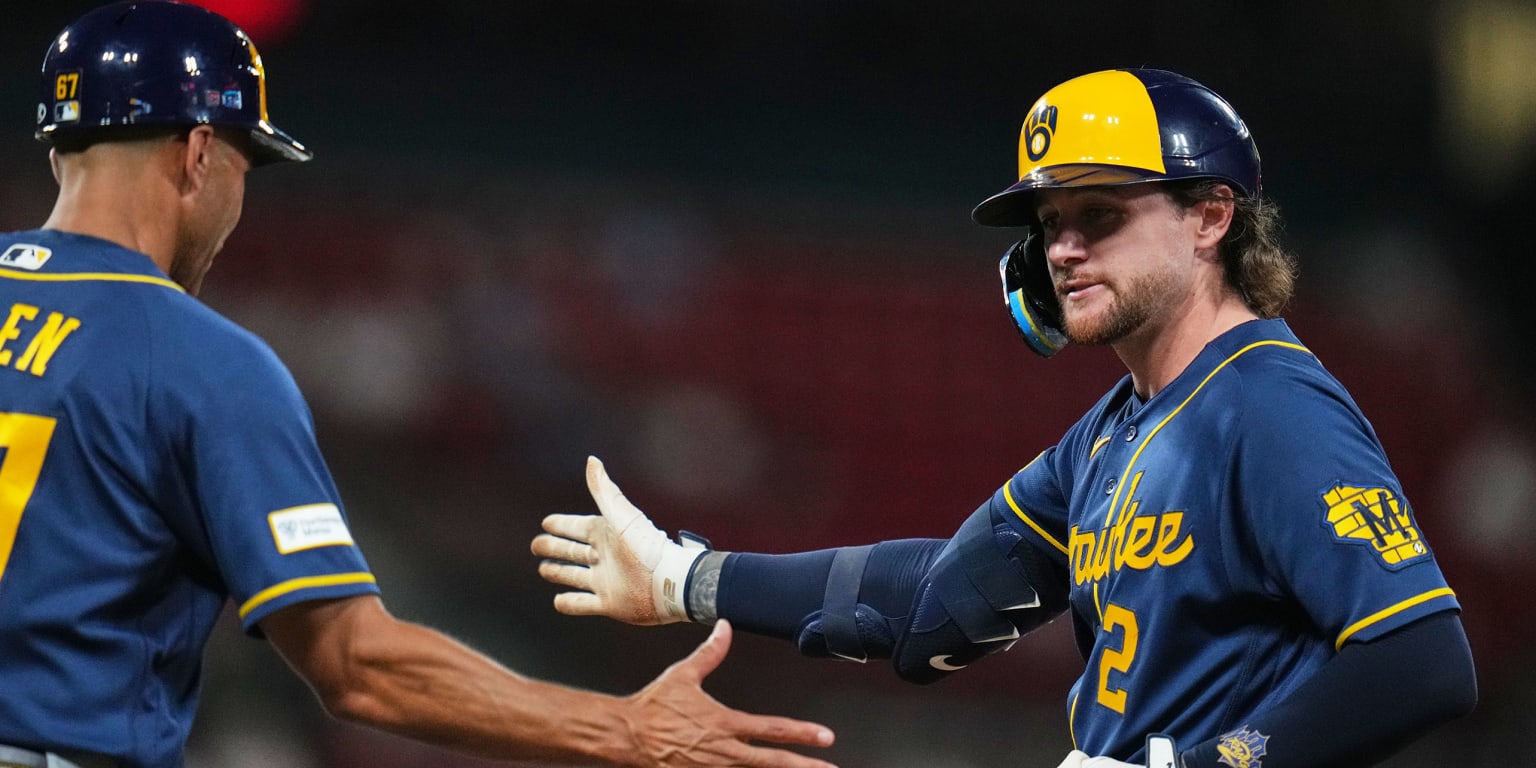
The Milwaukee Brewers reached .500 as a National League franchise for the first time since 1998, defeating the St. Louis Cardinals 4-3 Monday at Busch Stadium in a seventh-inning rally that doubled as a referendum on how far this organization has traveled. The milestone itself is organizational theater—a club sitting 23 games over .500 with playoff credentials doesn't need moral victories. But the manner of the win, and the sequence of events that produced it, reveals something more useful to bettors: the Brewers have engineered a consistency in opportunistic hitting that has become a structural advantage.
The rally was built on execution in pressure moments. After a Cardinals reliever's injury forced a pitching change, the Brewers manufactured four runs on four hits, two errors, and a walk—the kind of inning that separates teams with sustainable winning cultures from those that fold when the game tightens. Sal Frelick capitalized with a ground-rule double after the pitching switch. David Hamilton delivered a two-run double. Brice Turang added a go-ahead two-run single. None of those at-bats occurred against an optimal reliever; all three hitters made the pitcher's adjustment work for them. This isn't randomness—it's the operational signature of a team that has now compiled a 43-20 record over its last 63 games since April 26, the best mark in Major League Baseball over that span.
The larger context matters. From 1993 through 2006, the Brewers couldn't produce a winning season for 14 consecutive years. As recently as 2016, they were 196 games below .500 as an NL franchise. The turnaround—eight winning seasons in the last nine, seven playoff appearances in eight years—is neither luck nor cyclical. It reflects systematic improvement in player development, roster construction, and the ability to execute in leverage situations. A franchise that was hemorrhaging games is now converting them.
For prop bettors, the Brewers' offensive consistency over the past 71 days is the actionable signal. The team's 43-20 record since late April wasn't built on home runs or walk rates—it was built on contact hitting and situational awareness. When the Cardinals puncher changed in the seventh, the Brewers didn't chase. They worked counts, moved runners, and scored runs on balls put in play. This suggests that Brewers hitters are overdue for prop construction that accounts for their improved approach: team totals, first-five-innings run props, and individual run/RBI lines in games where they face volatile bullpens should carry higher expected value than preseason models priced. The market has not yet fully adjusted to the fact that a franchise that went 14 years without a winning season is now executing like a division contender in crunch situations.
The injury to David Hamilton (left hamstring tightness) clouds one angle—his run/RBI props could be undervalued if he's sidelined or limited—but does not erase the broader Milwaukee trend. A team that wins 68% of its games over two months is not a fluke. It's a franchise that has closed a 196-game deficit and is now priced, in many respects, as if it still carries that burden.