Chapman's Strikeout Crown Crowns a Career Built on Relentless Velocity—And Longevity Props That Matter
By Justin Erickson ·
At 38, the Red Sox closer just broke the all-time relief strikeout record, but what matters for bettors is that he's still dominating in high-leverage spots.
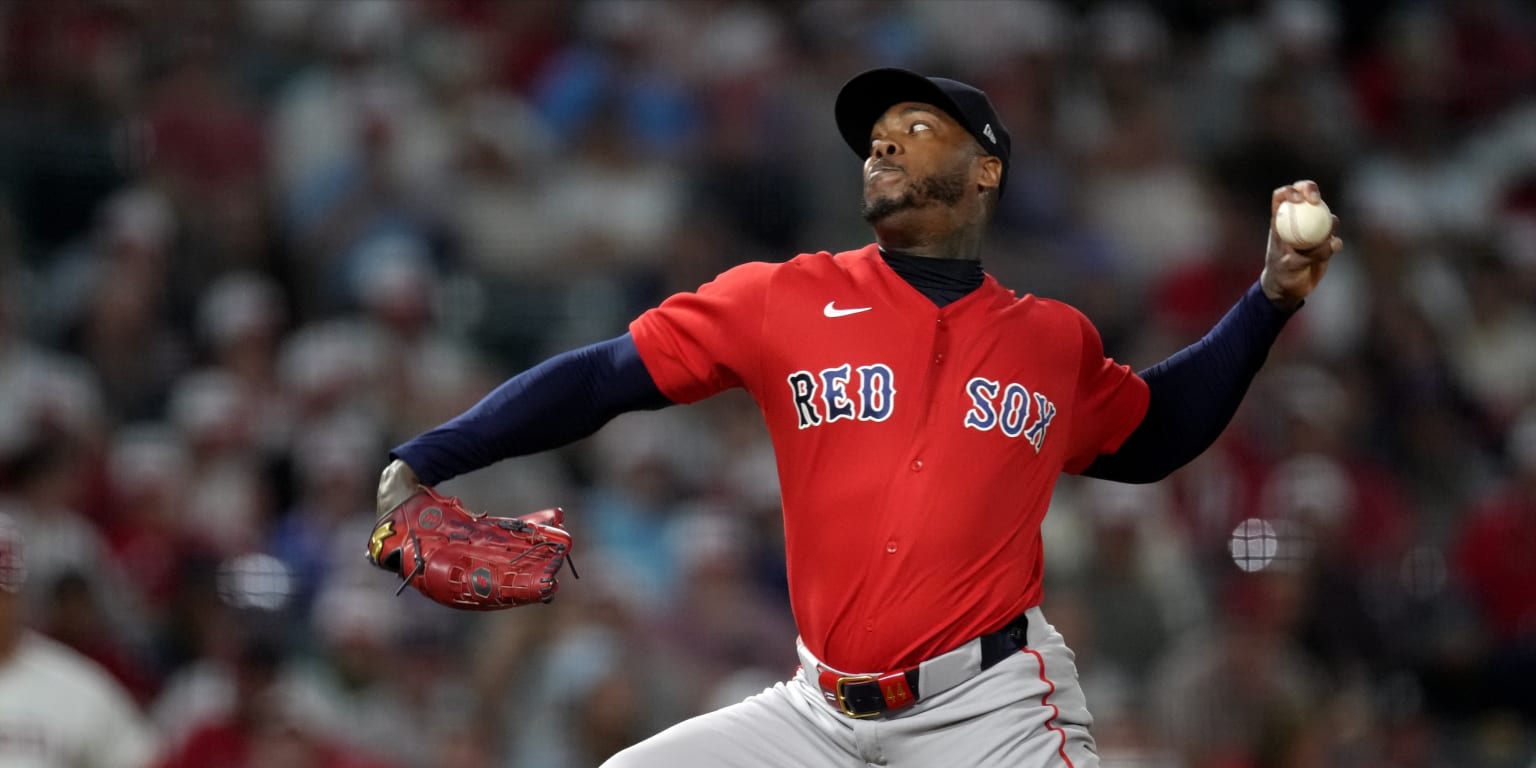
Aroldis Chapman broke the all-time strikeout record for a reliever on Friday night in Anaheim, punching out Angels batter Denzer Guzman on an 0-2 fastball in the ninth inning for career K No. 1,364—one more than Hoyt Wilhelm's previous mark. Chapman, who tied Wilhelm's record just four days earlier at Fenway Park against the Yankees, finished the night with his 384th career save in Boston's 5-2 win. The record itself isn't a surprise: Chapman has thrown every pitch of his 16-year career out of the bullpen, accumulating strikeouts at a rate no reliever in baseball history has sustained.
What makes Chapman's milestone distinct from the saves race is its fidelity to his core identity. In May, he passed Joe Nathan for 10th place on the all-time saves list, sitting now at 384—six behind Dennis Eckersley's 390. But saves are situational; they depend on when a team needs a closer and whether the margin permits late-inning leverage. Strikeouts, by contrast, are direct output—the byproduct of consistent dominance in every single outing. Chapman was the first pitcher to regularly hit triple-digit velocity readings, firing a 105.8-mph fastball on September 24, 2010, still the fastest pitch recorded since tracking began in 2008. At 38, he remains the archetype of the velocity-first reliever, and the fact that he's still executing that model at the highest level of competition is the real takeaway.
The durability angle is the betting edge here. Chapman invests obsessively in maintenance—running, pliability work, weight training, and recovery protocols that keep his arm and body competing at an age when most closers have already faded. That consistency in workload and health is not accident; it's system. For the second half of the 2026 season, Chapman's strikeout rate and appearance frequency remain durable because his underlying discipline hasn't wavered. He's not coasting on reputation; he's still punching out batters at a rate that outpaces typical relief peers even in his late 30s. Bettors tracking K props for Boston's closer should price in the fact that Chapman's strike-throwing command and velocity floor have held steady through this milestone run—not because of the record itself, but because the mechanisms that enabled the record (velocity, consistency, preparation) are still operative.
The saves prop is a different animal. Chapman is now six saves short of Eckersley's 390, but the saves market prices his age and workload risk. What it may not have fully adjusted for is that Boston's bullpen usage patterns and his own health regimen suggest Chapman will accumulate saves at a steady pace through the rest of the summer. If the Red Sox remain competitive and Chapman stays in the ninth inning, the path to 390 is clear. The strikeout prop, however, is the true edge: Chapman's K rate per appearance has remained elevated precisely because he hasn't lost velocity. Teams facing Boston late in games are still facing a 100+ mph fastball from a 38-year-old—an anomaly that keeps opponent whiff rates high. For the next 8-10 weeks, lean into Chapman strikeout overs in individual outings and cumulative season props; the record he just set is proof of a durability model that still works.