Carter's Leadoff Blast Signals Rangers Ready to Reclaim Their Center Field
By Justin Erickson ·
A home run on his first Double-A at-bat reshapes the timeline for Texas's return to full strength.
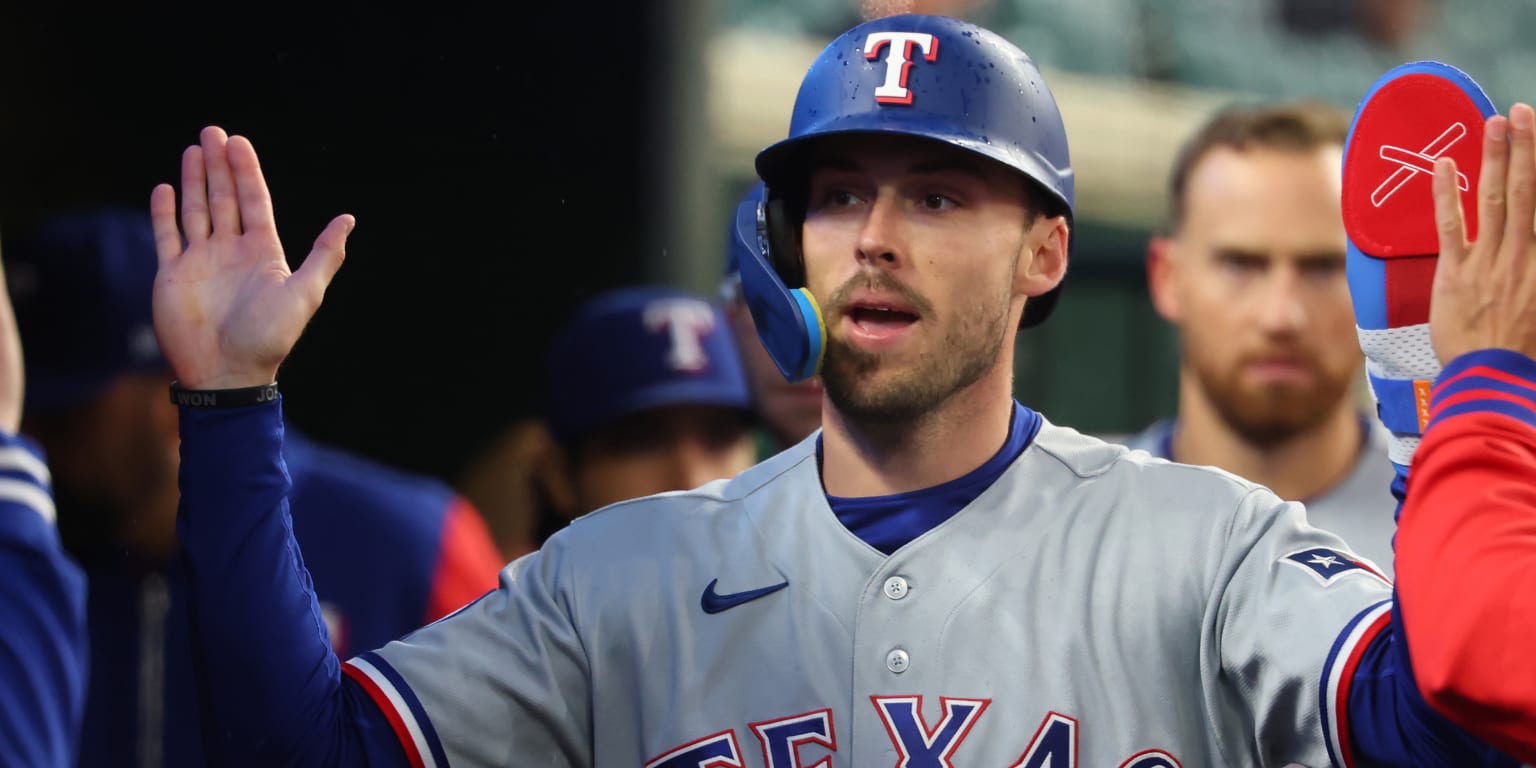
Evan Carter took a single swing Friday night and rewrote the Rangers' injury calculus. The center fielder, sidelined since June 13 with an oblique strain sustained on a diving catch, smacked a leadoff homer in his rehab debut against Double-A Amarillo, cutting through any residual uncertainty about his recovery trajectory. The speed of that return—a 13-day absence compressed into live game action without reported setbacks—signals both the mildness of the injury and the Rangers' confidence in his readiness to rejoin the lineup within days, not weeks.
Carter's absence has exposed the depth limits in Texas's outfield construction. Wyatt Langford (.806 OPS) shifted to center field and has held his own; Alejandro Osuna (.656 OPS) moved to left. Neither is elite, and both are playing positions outside their natural fit. The real cost is harder to quantify: Carter carries a .176 batting average this season, which would normally argue for his removal from the lineup. But the Rangers kept him in the field every day because his defensive value—center field excellence in a league where that matters enormously—more than compensates for the offensive drought. Without him, Texas loses not just a body but a positional anchor.
The oblique injury itself is a ticking clock. Carter landed on the IL after his June 12 game ended early; the leadoff homer 13 days later suggests the strain was moderate enough to resolve quickly with rest and controlled activity. If the Double-A appearance yields no complications over the next 48-72 hours, Carter could be activated before the end of June, giving the Rangers a full month to stabilize before July trade activity. That timeline matters to the betting market because it fixes a known variable: Texas won't be operating with a depleted center field for an extended period.
For prop bettors, Carter's imminent return creates a two-way calculation. His offensive line—.176 average, depressed xBA from a seasonal slump—won't move dramatically on a single homer, and the market won't price him as a batting threat when he returns. That's defensible caution; one Double-A at-bat carries zero predictive power for major-league performance. But his return does reshape team-total expectations for games where the Rangers deploy their full lineup. A fully healthy Texas outfield is demonstrably more efficient on both sides of the ball. If Carter returns by late June and Langford stays in left (where he profiles better than center), the Rangers' offensive floor rises measurably. Unders on Texas team totals placed while Carter was out may not survive a full-strength lineup, and books may not have repriced those markets preemptively.
The near-term edge cuts differently than the seasonal one. For games in the next five days—before any announcement of Carter's activation—fade overs on Rangers team totals if the line still reflects a center-field roster without him. That gap closes the moment he's reinstated, and books will adjust. The longer-term angle is simpler: when the Rangers confirm Carter's return, expect modest upticks in their offensive projections, particularly in situations where the full lineup bats together.