Cardinals Sellers at the Deadline: Bloom Opens the Books on First Base and Pitching
By Justin Erickson ·
St. Louis has dropped below .500 post-All-Star break and signaled that nearly every roster piece is available—including recently extended infielders and their catching depth.
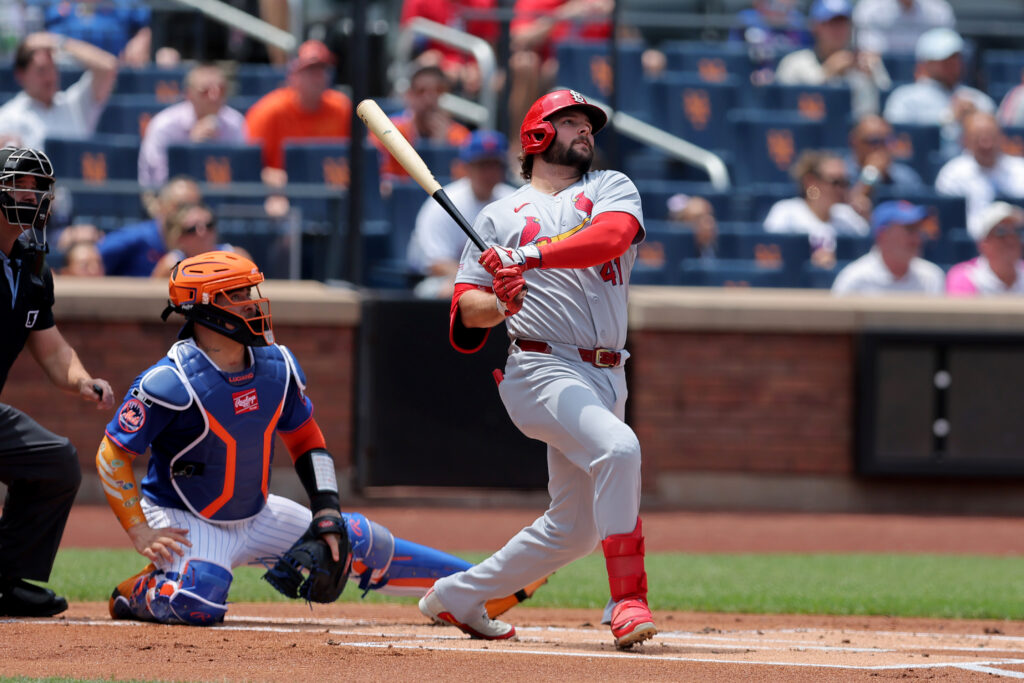
The Cardinals' post-break collapse has forced the front office into a full inventory review. Per ESPN's reporting, president of baseball operations Chaim Bloom is prepared to field offers on multiple position players and pitchers, with few if any players declared untouchable. The team's descent below the .500 mark in late July effectively ended any realistic playoff hope and triggered the expected firesale posture. Alex Burleson, the first baseman who recently inked an extension, has emerged as a centerpiece option in trade discussions. The Cardinals are also exploring moves at catcher and assessing whether relief arm JoJo Romero qualifies as a rental target.
The willingness to move Burleson—a player the organization committed money to preserve—signals how far the rebuild orientation has shifted. Bloom's public stance that nearly every player is on the table removes ambiguity around the deadline's direction. This isn't a marginal seller tentatively probing for upgrades; this is a full-scale asset liquidation. Pitching depth, particularly in the bullpen, figures to draw significant interest from contenders looking to shore up their stretch run.
For bettors, the Cardinals' seller designation has immediate implications for both individual prop lines and team totals. Any player moved before the deadline effectively departs from the lineup, which simplifies injury-adjusted modeling and removes speculation about usage down the stretch. The catching situation deserves particular attention: if a starting-caliber catcher is traded, backup minutes will spike for his replacement, altering his nightly prop floor. Similarly, if Romero departs, the bullpen's K-per-inning rates and ERA profiles may shift sharply depending on the replacement arm's profile.
The real edge lies in fade territory. Cardinals team totals and individual offensive props for non-core hitters should face downward pressure if the team ships out productive pieces in the final 60 games. A first baseman swap, even a lateral trade, introduces replacement-level production risk. Monitor Bloom's actual move list; once trades are official, re-examine Cardinals team total unders, particularly in the 3.5 to 4.2 range. The market typically underprices the dead-air production loss when a team's mid-lineup bat is removed mid-season. That window—between the announcement of a trade and the updated line consensus—is where the leverage lives.