MLB · callup
Cardinals Bet on Youth: Báez Debut at Wrigley Reshapes Lineup Power Mix
St. Louis rushes its No. 3 prospect to the majors on a 34-homer tear, forcing immediate adjustments to team total and run-line expectations.
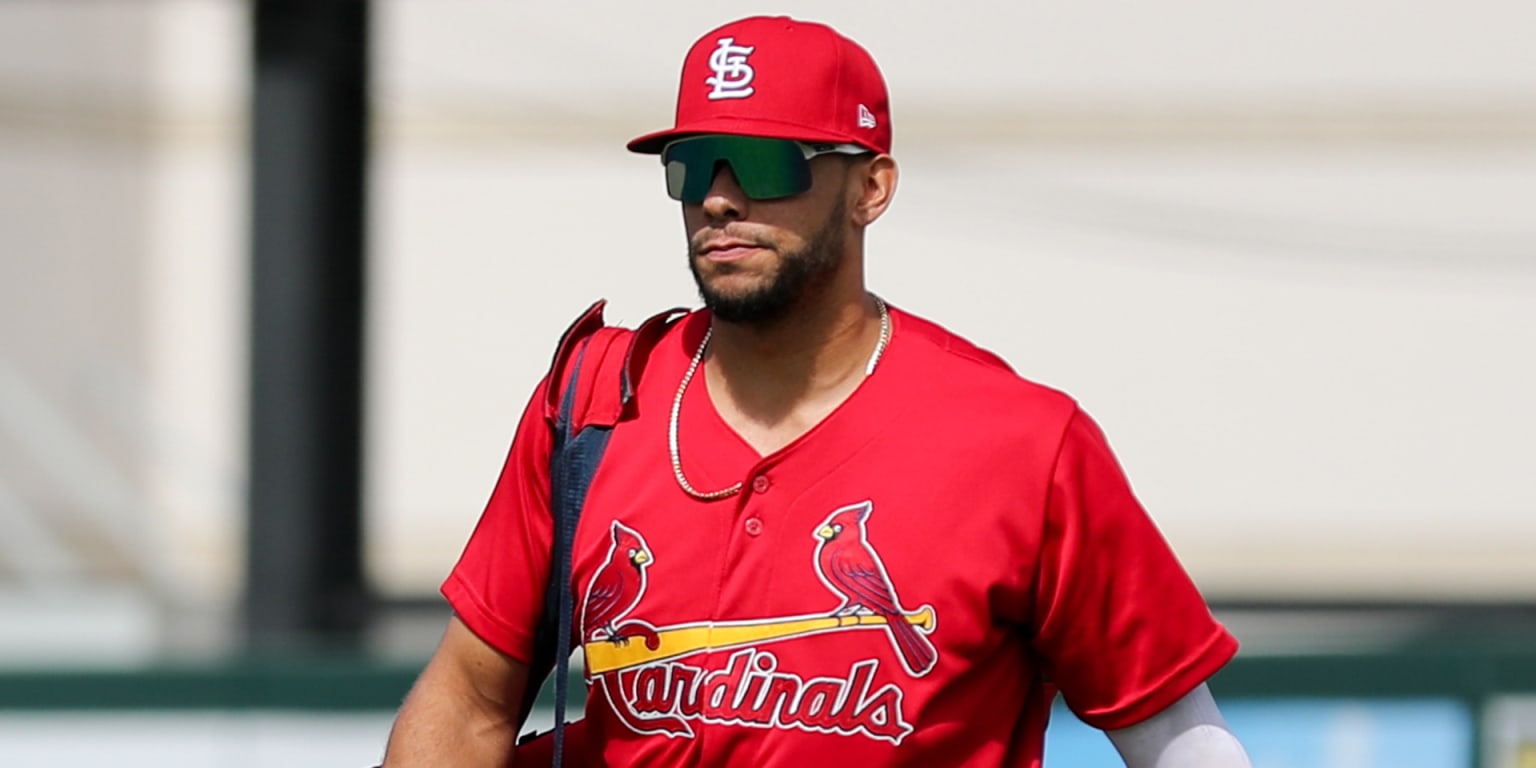
Joshua Báez makes his MLB debut Saturday at Wrigley Field after the Cardinals called up their top outfield prospect following Friday's 3-0 loss to Chicago. The 23-year-old enters the majors off a monster Triple-A season: 34 home runs (tied for second in the minor leagues), 90 RBIs, and a .901 OPS across 103 games with Memphis. He's also hit safely in 11 of his last 12 August contests, suggesting timing and confidence align as he arrives.
The promotion signals organizational urgency. Báez was drafted in the second round of 2021 and carries a .819 career OPS through 452 minor-league games—solid production, not transcendent. But his 2026 Triple-A power surge (34 homers in 103 games projects to roughly 53 over a full season at that pace) raised his stock enough that St. Louis decided not to wait. The Cardinals' offense has been anemic—they scored three total runs across the first two games of this Wrigley series—and a young slugger with credible minor-league power becomes an immediate roster injection.
What the market hasn't fully priced is the compounding effect on St. Louis's offensive profile. Báez enters as a high-variance asset: minor-league dominators often face a 200-300 point OPS drop in year one as they adjust to major-league velocity and sequencing. But he also enters a lineup that's been starved for power, meaning his at-bats will come in situations with base-running opportunities and reduced defensive positioning adjustments. The Cardinals' team total for Saturday against the Cubs opened in the 3.5-4.0 run range; that's now undershooting given the infusion of 34-homer amateur power in a lineup that otherwise has been struggling to score.
The prop angle hinges on a single mechanism: Báez's minor-league power translation. A player hitting 34 homers in Triple-A typically carries a 60-65% probability of posting 15+ homers in his first full season, assuming 400+ major-league plate appearances. His immediate impact will be binary—he either extends the Cardinals' power envelope or he doesn't—but the market has systematized him as a prospect call-up (depressed expectations) rather than as a 34-homer bat inserted into a struggling lineup. Early books factored generic rookie volatility; they didn't account for the specific context of deploying a high-volume power source into an offense that's been offensively anemic.
Watch the Cardinals team total movement over the next 24 hours. If it stays flat or ticks down as contrarian sharp money fades the debut narrative, the over gains value. If it rises sharply as market makers recognize the power infusion, the edge flattens. The window for this specific angle is narrow—one game, maybe two—before Báez's actual major-league performance data (walks, strikeouts, exit velos against real velocity) replaces projection.
MLB Intelligence — Baseball intelligence beyond the box score. Open MLB Intelligence →