Burns' Breakout Ends Early; Reds Rotation Enters Fade Zone
By Justin Erickson ·
Cincinnati's bright spot in a deteriorating rotation is gone for the season, leaving the staff without its most reliable arm down the stretch.
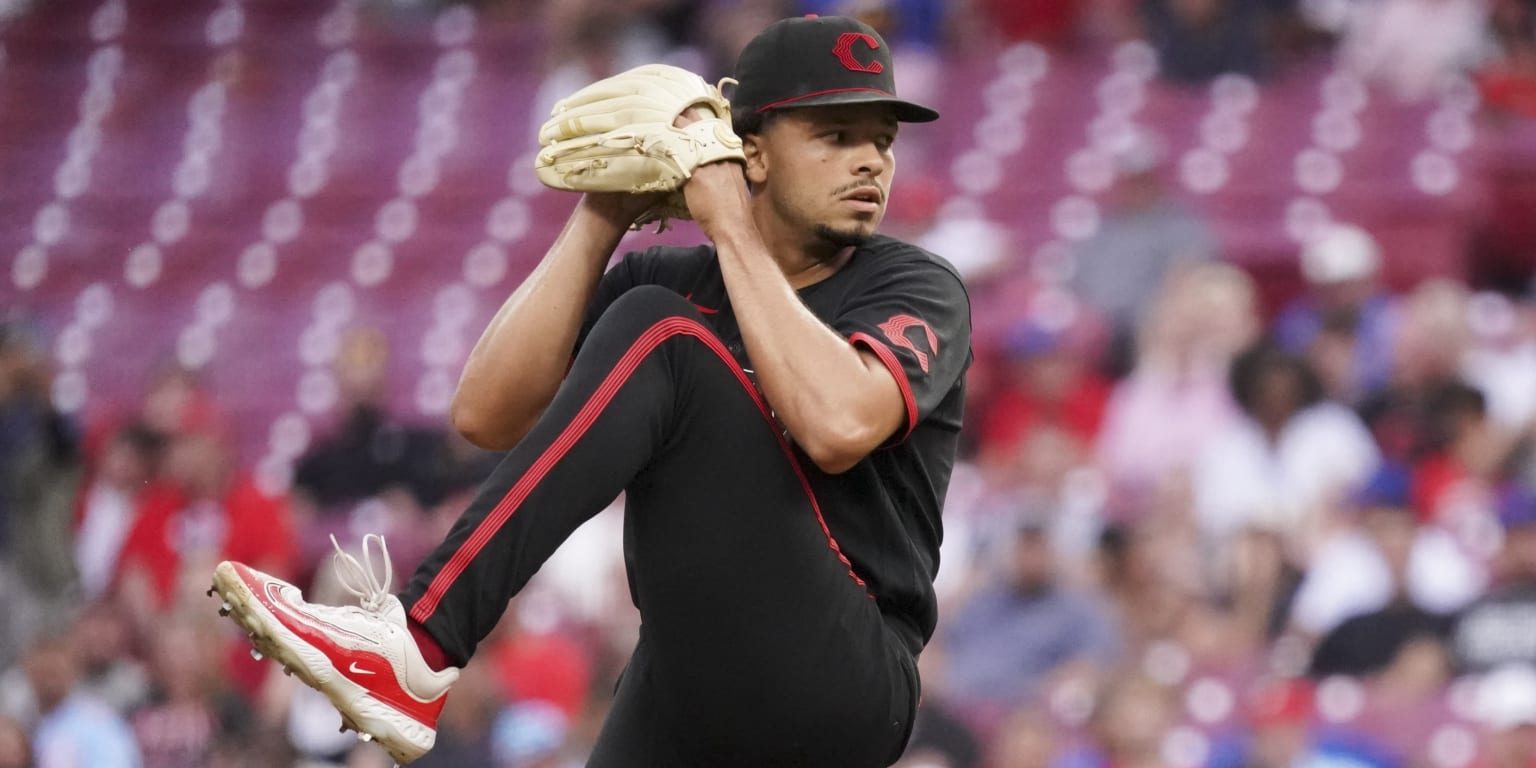
Chase Burns' 2026 redemption arc ends abruptly. The Cincinnati Reds placed their first-time All-Star right-hander on the 15-day injured list Sunday with a right groin strain, effectively closing the book on a season that will read 15-3, 2.86 ERA, 185 strikeouts across 154 1/3 innings. For a franchise whose pitching staff carried a 4.87 ERA entering the day—third-worst in baseball—Burns was the lone success story. His absence leaves Cincinnati without a dependable option in critical September innings.
The injury itself carries less shock when you examine the workload management that preceded it. Burns threw only three innings in each of his three September starts, a deliberate cap rooted in his 2025 ramp-up: just 109 1/3 innings across three minor-league levels and his first 13 major-league appearances. The Reds were already running him on a strict pitch budget. A groin strain at this stage of the season, when innings matter and fatigue accumulates, suggests the injury threshold may have been tighter than publicly managed.
Cincinnati will plug Carson Spiers (promotion from Triple-A Louisville) into the rotation spot. Spiers arrives as organizational depth, not a like-for-like replacement. The staff's collective ERA will almost certainly deteriorate over the final 10 games of the regular season. For teams facing Cincinnati, this is a material shift in the pitching matchup calculus. The Reds' rotation now lacks even one top-quartile arm, and opposing offenses can exploit that weakness in totals and individual hitter props with higher confidence.
The betting impact flows directly from rotation composition and opposing lineup leverage. Cincinnati's ERA was already inflated; removing Burns' 2.86 mark from the mix (weighted by innings) pushes the remaining staff ERA measurably higher. Unders on Reds team totals and overs on opponent team totals become more attractive as games against Cincinnati become de facto hitter-friendly matchups. Any opponent's offensive player facing the depleted Reds rotation should see modest bump in strikeout props (softer contact environment) and elevated scoring-position opportunities. The market will eventually price this in, but single-game overs and opponent run-line props will likely offer early-week value before sharp money adjusts to the new baseline.
The broader league context matters too: teams still fighting for playoff position and facing Cincinnati in their final stretch gain a small but quantifiable edge. The Reds themselves are essentially eliminated from contention, meaning deadline urgency and playoff intensity vanish from their games. That roster psychology—playing out a lost season without a dominant starter—historically correlates with underperformance in totals. The unders on Reds games, particularly those away from home where they lack a dominant starter on short rest, carry stronger fundamental backing than directional recency would suggest.