Burke's Command Edge Widens: Why His Strikeout Props Are Underpriced
By Justin Erickson ·
The White Sox right-hander's five-start dominance pivot—built on fastball aggression and elite command—resets expectations for his workload ceiling.
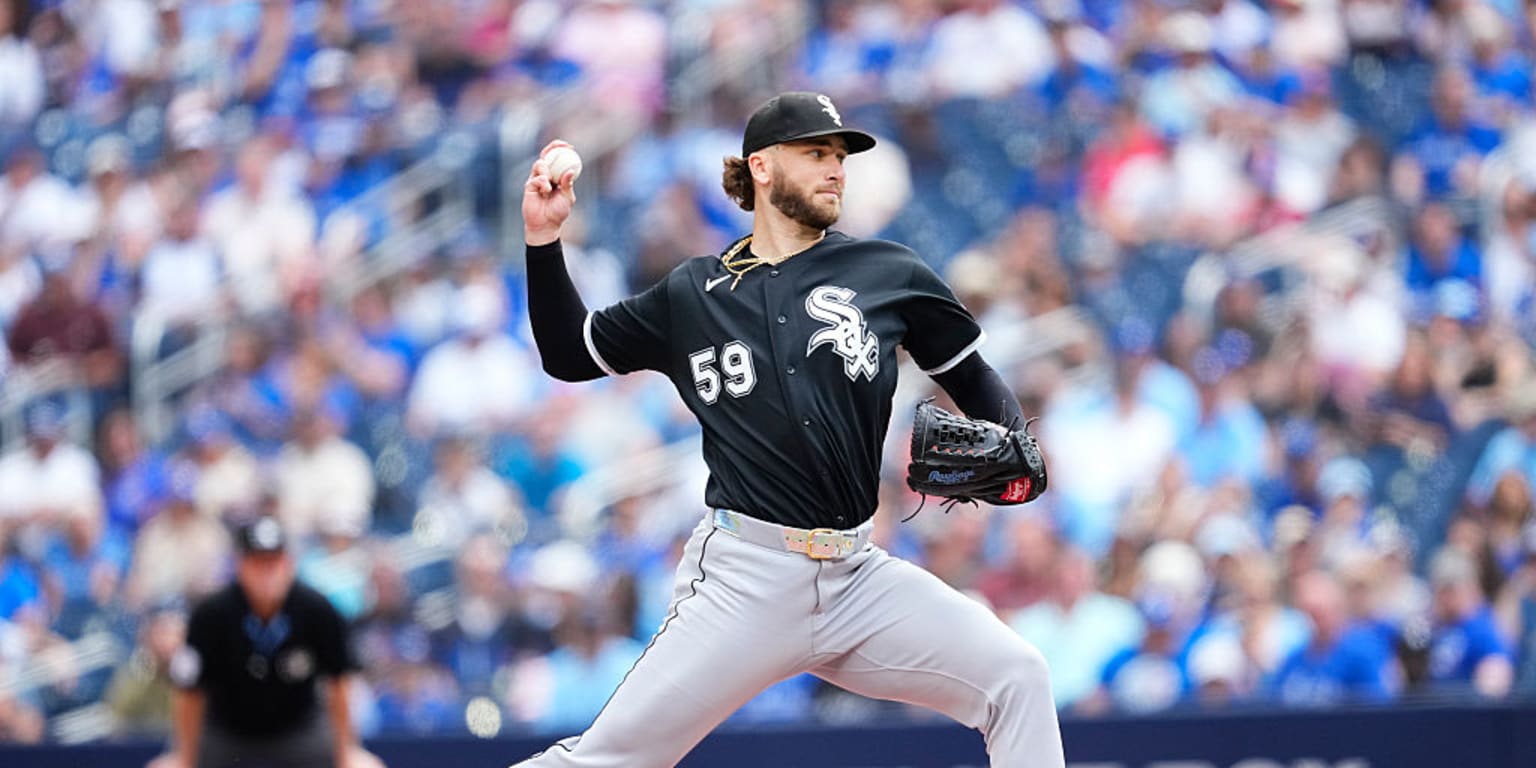
Sean Burke blanked Toronto on Sunday, extending a stretch of dominant pitching that predates the All-Star break and survived the layoff intact. The 26-year-old right-hander worked 6⅔ scoreless innings, struck out five, and allowed just three baserunners while throwing 69 of 98 pitches for strikes. Chicago's 3-0 win marked his fifth consecutive scoreless or one-run outing across four starts and 32 innings, a run bookended by a 1.69 ERA, 42 strikeouts, and five walks over that same stretch.
The mechanics driving Burke's recent form are worth parsing, because they're not random variance. White Sox manager Will Venable identified the root: fastball aggression early in counts, followed by efficient secondary usage once ahead. On Sunday, Burke threw his fastball 31 times and surrendered just one hit with it—a classic profile of a pitcher who's established command of his primary offering and can set up breaking balls off it. He retired the first 10 batters he faced and induced contact on his terms: only four of 17 balls put in play by Toronto reached 95 mph or harder, a damage-mitigation metric that separates true command from luck.
The All-Star break posed a timing risk for Burke—eight days between starts, a four-day competitive pause, and the mental reset that comes with mid-season downtime often flatten recent form. Instead, he picked up where he left off, throwing first-pitch strikes in 78 percent of plate appearances and attacking the zone on his own terms. This consistency across a layoff signals a durable baseline rather than a hot streak flattening out.
For bettors, Burke's strikeout prop trajectory offers a distinct edge. His recent 1.33 K/9 rate (42 K over 32 innings) sits above his season average and reflects two variables working in tandem: elevated fastball usage that induces weak contact, and deeper pitch-count efficiency that extends his innings pitched per start. Toronto's strikeout rate ranks middle-of-the-pack league-wide, but that's noise against Burke's command profile. His next three starts will likely see strikeout lines positioned on the assumption that his last five appearances represent a temporary spike. They don't. The fastball-first, secondary-setup sequencing is repeatable as long as his fastball command holds—and Sunday's data (31 fastballs, 1 hit allowed) confirms it does. Sportsbooks will price Burke's next K prop around his pre-All-Star baseline, underweighting the mechanical shift Venable has unlocked.